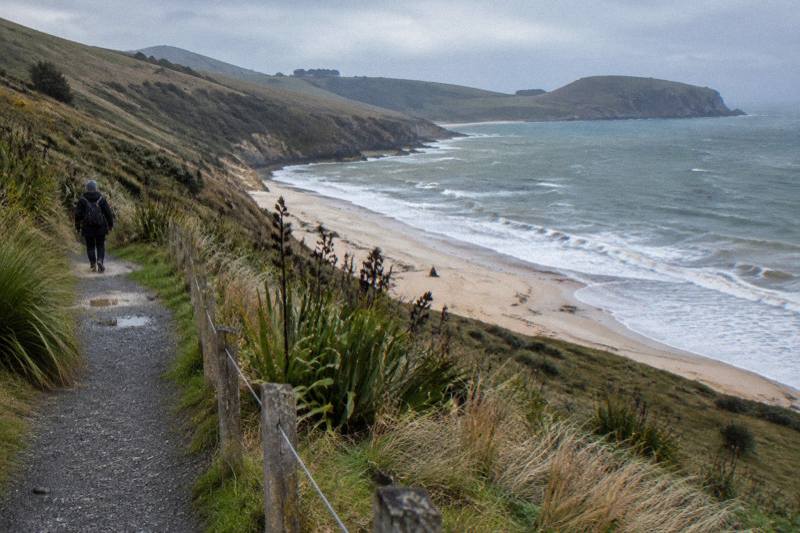
Penguin Place Dunedin Tour: The Yellow-Eyed Penguin Reserve Visit
Searches for Penguin Place Dunedin still land on the right reserve: the venue was renamed The OPERA, and the guided trench-and-hide penguin tour runs much as it always has. Here is what changed, what the visit involves, and which bookable tours include it.
Short answer
Penguin Place on the Otago Peninsula was renamed The Otago Peninsula Eco Restoration Alliance, The OPERA, at 45 Pakihau Road. The visit is a 90-minute guided journey through a private reserve using a trench and hide system. The OPERA wildlife and penguin tour starts from $42.56 per person; full-day tours that include entry run to $224.13.
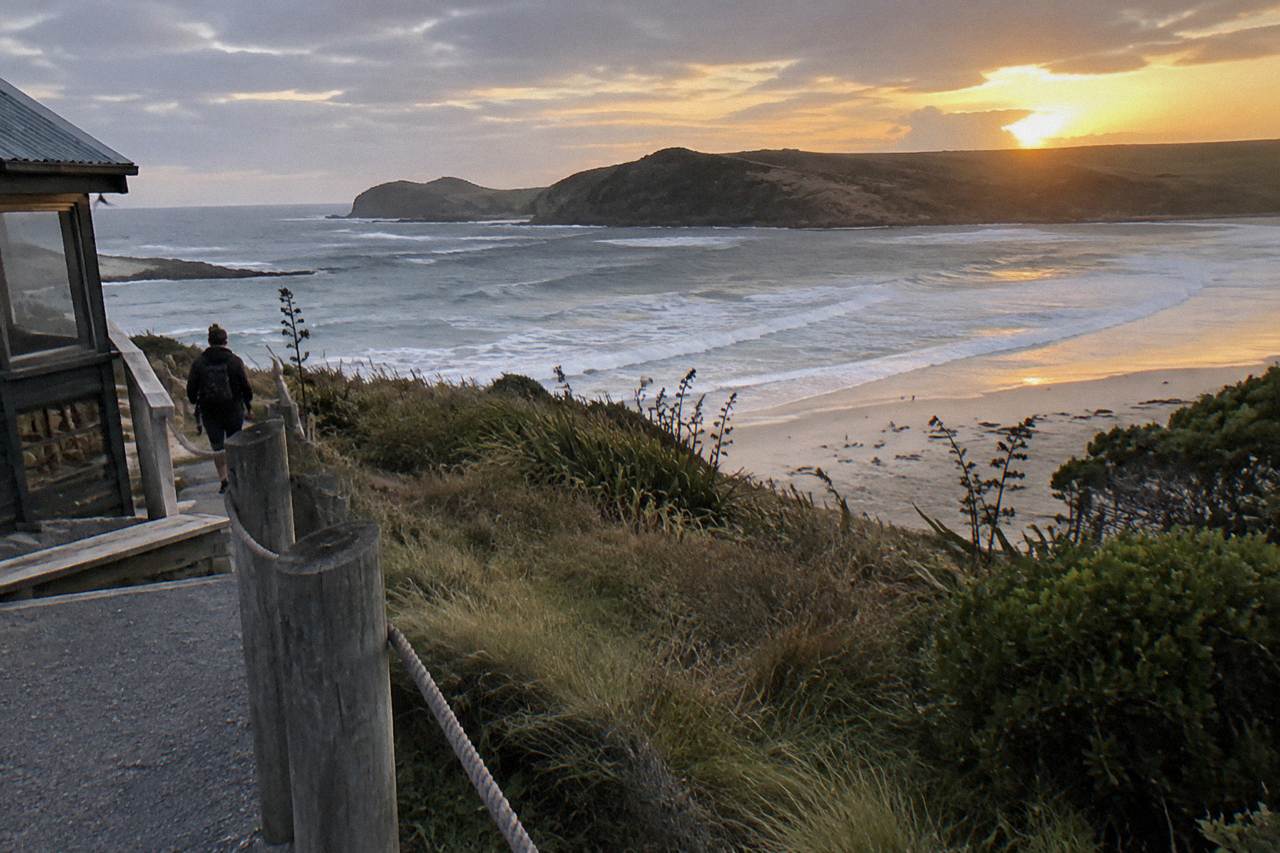
The yellow-eyed penguin reserve that most visitors still call Penguin Place sits on farmland at 45 Pakihau Road on the Otago Peninsula, and it now operates under a new name. The venue did not close and nothing was rebuilt from scratch: the same private eco-reserve, the same trench and hide system, and the same 90-minute guided journey continue under the banner of The Otago Peninsula Eco Restoration Alliance, known as The OPERA. Anyone searching for the old name is searching for the same place.
That rename matters for booking, because a search for Penguin Place can produce pages written years apart, some describing the venue as it was and some as it is. It also matters for honesty about the wildlife. Hoiho, the yellow-eyed penguin, are Threatened and Nationally Endangered in the words of the Department of Conservation, and RNZ reported in October 2026 that fewer than 115 breeding pairs remain on mainland New Zealand and Rakiura. The operator of this reserve describes its tour as giving "the best chance" of seeing hoiho and promises nothing, which is exactly the framing a responsible visitor should expect. This guide explains the rename, the visit itself, the bookable tours that include the reserve, prices, travel and the viewing rules that protect the birds.
Is Penguin Place Still Open In Dunedin?
Penguin Place has not closed. The reserve at 45 Pakihau Road on the Otago Peninsula was renamed The Otago Peninsula Eco Restoration Alliance, shortened to The OPERA, and operates as one venue under that name. There is no second site and no separate Penguin Place business: any tour, review or price described under the old name refers to this same reserve and its 90-minute guided visit.
The rename reflects what the organisation has become. What began decades ago as a farming family's project to protect hoiho on its own land grew into a landscaped network of trenches, hides and replanted habitat, plus a rehabilitation centre for injured and sick penguins. The new name, The Otago Peninsula Eco Restoration Alliance, states the mission plainly: ecosystem restoration across the peninsula rather than a single-species attraction. Older reviews and older articles under the Penguin Place name still circulate, and they describe a real experience at this real place.
For a reader deciding whether to book, the practical point is simple. When a tour description says it visits Penguin Place, and another says it visits The OPERA, both mean 45 Pakihau Road. Treat the names as one and the same, and judge the tour by its duration, price, start point and what else it includes, not by which name the description happens to use. The Dunedin Wildlife Tours guide pages use the current name throughout while noting the former one, so readers comparing options are never left wondering whether they are looking at two different venues.
What Happens On The 90-Minute Guided Reserve Tour?
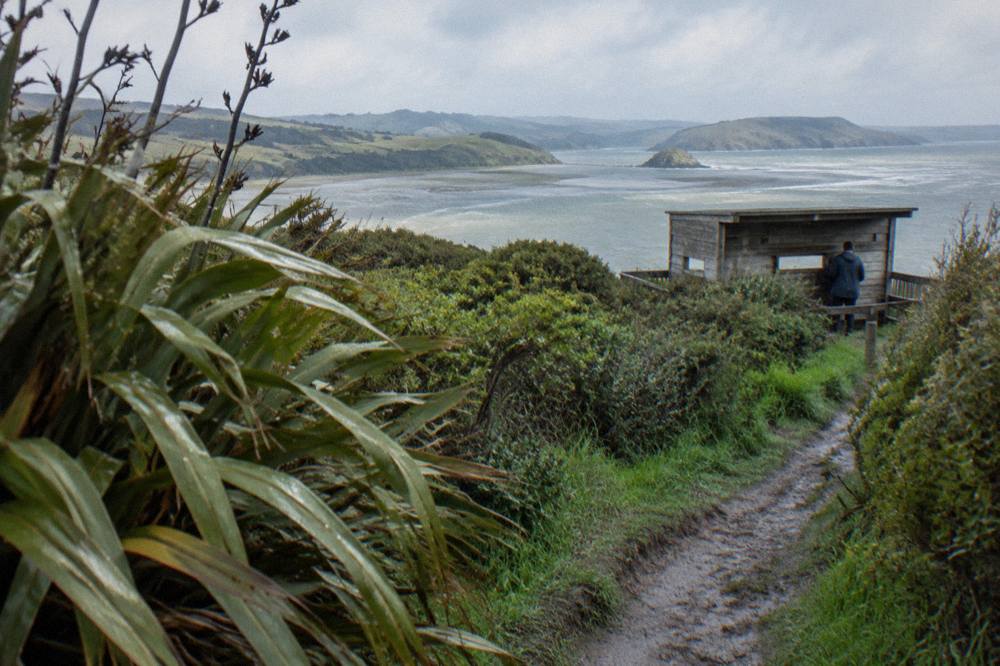
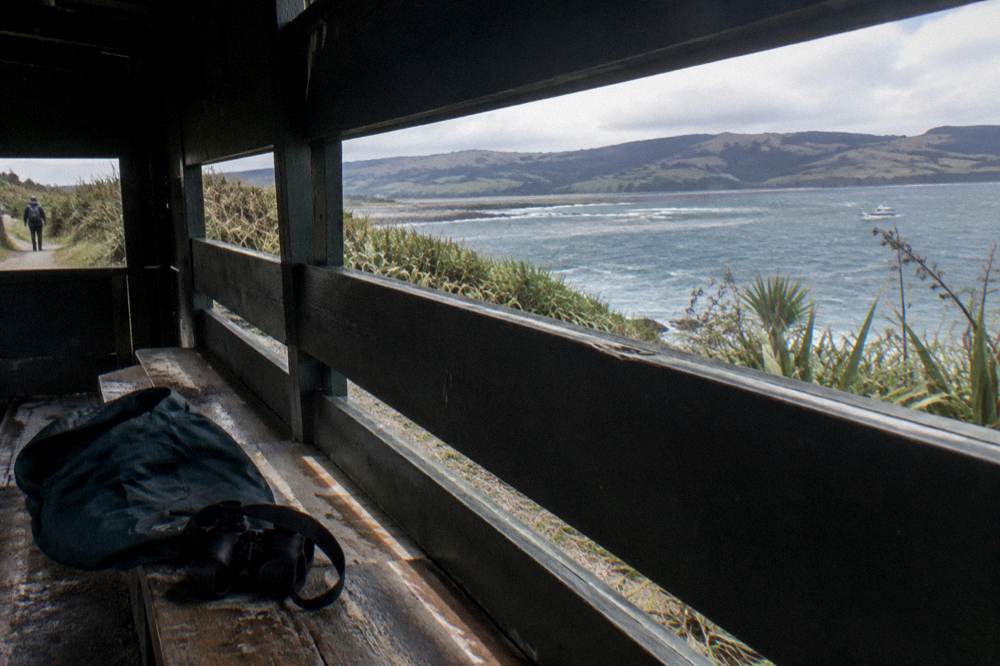
The visit is a guided 90-minute journey on foot through a private eco-reserve, moving along a trench system between camouflaged hides from which hoiho, little penguins, fur seals, sea lions and forest birds may be observed. A stop at the rehabilitation centre is included when penguins are in the operator's care. The pace is set by the guide and the terrain, not by visitors wandering freely.
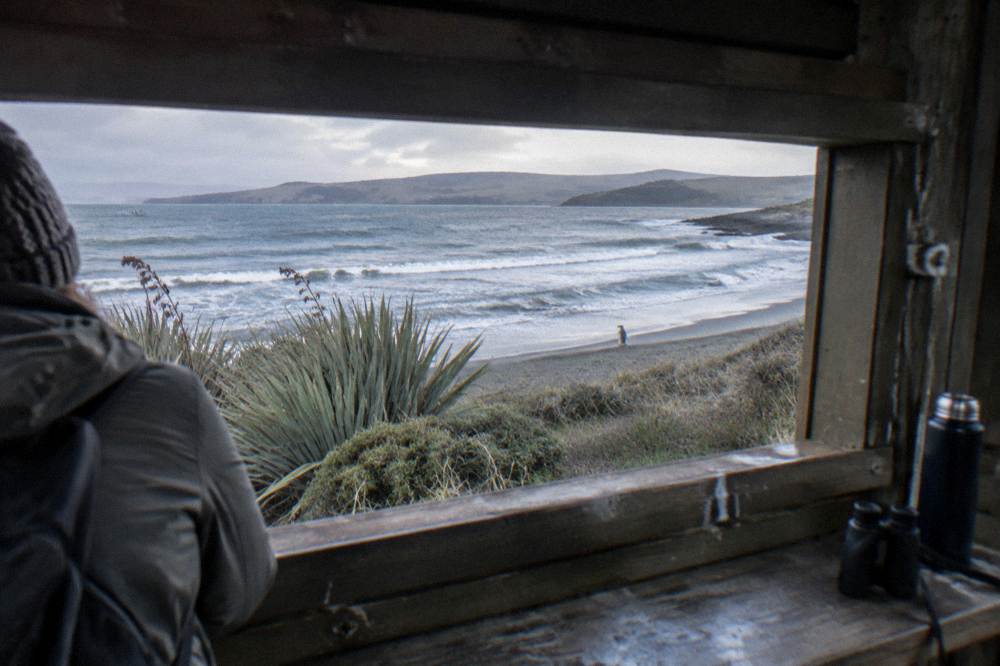
The trench and hide system is the heart of the design and the reason the reserve works. Hoiho are unusually sensitive to human presence: the Department of Conservation's care code asks people to keep at least 50 m from penguins, never to block their path in or out of the water, and not to linger on beaches where they come ashore. A conventional viewing deck cannot meet that standard on a busy day. Sunken passages and hides let small guided groups reach viewing positions without the birds seeing approaching silhouettes, which keeps disturbance low while still allowing close-range observation. The operator describes the tour as offering "the best chance" of seeing hoiho, and deliberately promises nothing, because hoiho are wild birds whose daily movements change with feeding trips, moult and the breeding calendar.
The wildlife on the reserve is not limited to hoiho. Little penguins nest in the reserve, and New Zealand fur seals and New Zealand sea lions haul out along its coastline. Forest and sea birds pass through the replanted vegetation. The rehabilitation centre, visited when penguins are in care, is where injured or unwell birds received by the reserve are treated, and it doubles as an honest piece of education about the pressures on the species: dogs, human disturbance, climate change, fisheries, predation and disease are the threats the Department of Conservation lists.
The broader context for hoiho is sobering and worth knowing before you go. The northern population, from Banks Peninsula to the Catlins and Rakiura, fell from about 741 breeding pairs in 1999 to 265 in 2019, a 65 percent decline in 20 years, and RNZ reported in October 2026 that about a quarter to a third of mainland chicks died of respiratory distress syndrome in each of the past three years, with vaccine research under way. One small piece of good policy news: a permanent commercial set-net closure around the Otago Peninsula was decided by the Minister in July 2026. Visiting the reserve through its guided system is one of the few ways to see hoiho without adding to the disturbance problem, which is precisely what the trench network was built to solve. More on the species and its status is on the Yellow-eyed Penguin Trust's hoiho page and the yellow-eyed penguin entry maintained by Wikipedia editors.
Which Tours To The OPERA Reserve Can You Book?
Three bookable tours covered on this site include the reserve: the OPERA Wildlife and Penguin Tour, from $42.56 per person for 90 minutes on site; the Fantail Scenery and OPERA Conservation tour, from $187.25 per person for 6 hours; and the Iconic full-day wildlife tour, from $224.13 per person for 7 hours with entry included. Each suits a different kind of visitor.
The most direct option is the guided reserve visit itself, sold as the Small-Group Wildlife and Penguin Tour, from $42.56 per person, 90 minutes, starting at The OPERA on Pakihau Road, with a group maximum of 15, binoculars provided and a guide included. It is rated 4.7 across 47 reviews. A second booking page for the same underlying visit, described as the Rehabilitation Centre and Reserve Walk, from $42.00 per person, carries a separate pool of 301 reviews rated 4.6; the two pages should be compared by name rather than merged, since their review counts are separate. If you want the reserve and nothing else, one of these two pages is the whole decision.
The mid-length option is the Fantail Scenery and OPERA Conservation tour, from $187.25 per person, 6 hours, with the OPERA visit included and a group maximum of 10. It pairs the reserve with a scenic loop of the peninsula, and suits a visitor who wants the photography stops and coastal viewpoints alongside the guided penguin walk. It is rated 4.4 across 84 reviews, the lower number reflecting a mix of experiences across a long day rather than any question about the reserve itself.
The fullest option is the Iconic full-day wildlife tour from Iconic Tours NZ, from $224.13 per person, 7 hours, rated 4.8 across 37 reviews, starting at the Port Chalmers Cruise Terminal with port pickup and drop-off included. Its inclusions list entry fees to The OPERA and entry fees to the Royal Albatross guided tour, which makes it one of the very few tours that combine the hoiho reserve with the albatross colony at Taiaroa Head in a single booked day. One caution separates it from the rest: its booking terms state it is non-refundable, so check the cancellation terms before booking, unlike the other tours here which state a full refund when cancelled at least 24 hours before the start.
| Tour | Price from (USD) | Duration | OPERA visit | Rating and reviews |
|---|---|---|---|---|
| Small-Group Wildlife and Penguin Tour | $42.56 per person | 1 hour 30 minutes | included | 4.7, 47 reviews |
| Rehabilitation Centre and Reserve Walk | $42.00 per person | 1 hour 30 minutes | included | 4.6, 301 reviews |
| Scenery and OPERA Conservation (Fantail) | $187.25 per person | 6 hours | included | 4.4, 84 reviews |
| Iconic Full-Day Wildlife Tour | $224.13 per person | 7 hours | entry included | 4.8, 37 reviews |
The choice mostly comes down to time and appetite. A visitor with a free evening or morning and own transport gets genuine value from the standalone reserve visit at under $45. A visitor with one full day, or arriving on a cruise ship, may prefer the packaged day that folds the reserve in with the albatross colony. The comparison of every Dunedin wildlife tour option breaks the full set of 26 tours down by category, and the page on the Otago Peninsula penguin tour covers the penguin-focused choices in more depth.
What Wildlife Might You See At The Reserve?
Hoiho are the flagship species and the reason the reserve exists, and the operator describes the guided tour as the best chance of seeing them. Little penguins, New Zealand fur seals, New Zealand sea lions and sea and forest birds are also present on the reserve. Sightings are never guaranteed, because every animal here is wild.
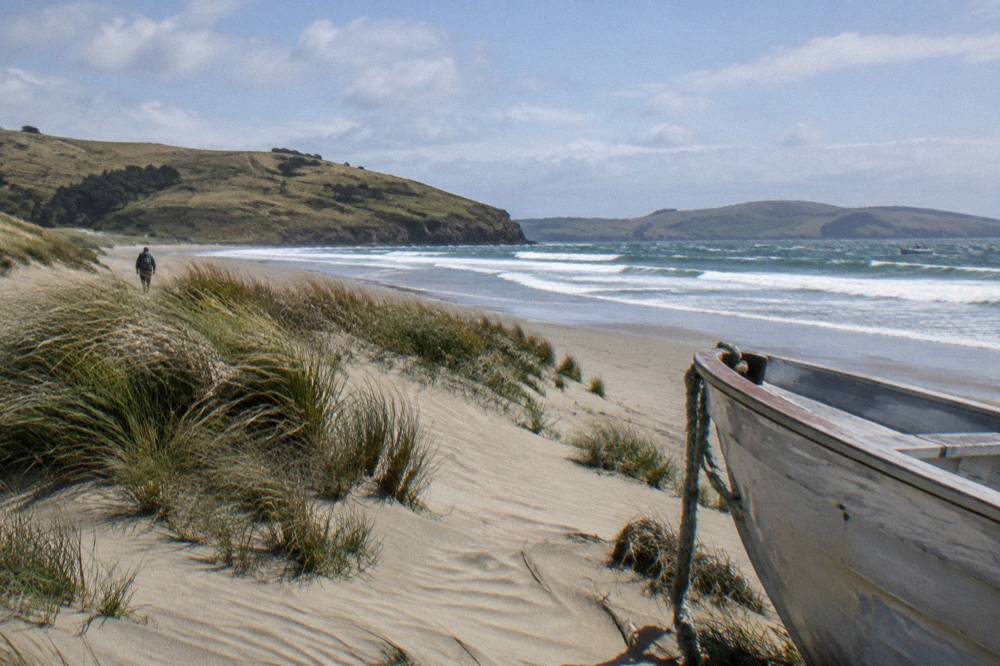
Hoiho behave differently from the penguins most visitors picture. They are solitary rather than colonial nesters, they come and go from beaches individually rather than in rafts, and they forage up to 25 km offshore during breeding, as the Yellow-eyed Penguin Trust notes. A bird ashore may be resting between fishing trips, incubating, feeding chicks, or sitting out its moult, which happens in autumn and lasts about 25 days ashore. Disturbance during moult lengthens it and stresses the bird, which is one reason the Department of Conservation is so blunt about distance rules and about dogs, which are especially dangerous to hoiho from February to April.
Little penguins nest in the reserve's burrows and are sometimes seen around the coastline, though the purpose-built evening viewing for that species happens at Pilots Beach on the other side of Taiaroa Head, run as the Blue Penguins Pukekura experience from $34.04 per person. New Zealand fur seals and New Zealand sea lions use the reserve's shores: Taiaroa Head nearby is a fur seal breeding site and sea lion haul-out, and Pilots Beach is often the best place for them, according to the Department of Conservation. Sea and forest birds move through the replanted habitat, and the guide's commentary covers the restoration work that made it possible. For anyone weighing a self-guided trip against a reserve visit, the guide to seeing penguins in Dunedin without a tour compares free beach viewing at Pilots Beach and Allans Beach with the hides, platforms and commentary that a guided experience adds.
The honest framing for any visit is that the reserve maximises the chance of an encounter without ever promising one. The operator's own wording is "the best chance", paired with an explicit promise of nothing. On some visits a hoiho stands preening in view of a hide for many minutes; on others the seals and sea lions carry the show while the penguins stay behind the dunes. Visitors who accept that variance, and who arrive understanding how few of these birds remain, tend to rate the experience for what it is: a rare, carefully managed window onto one of the world's rarest penguins.
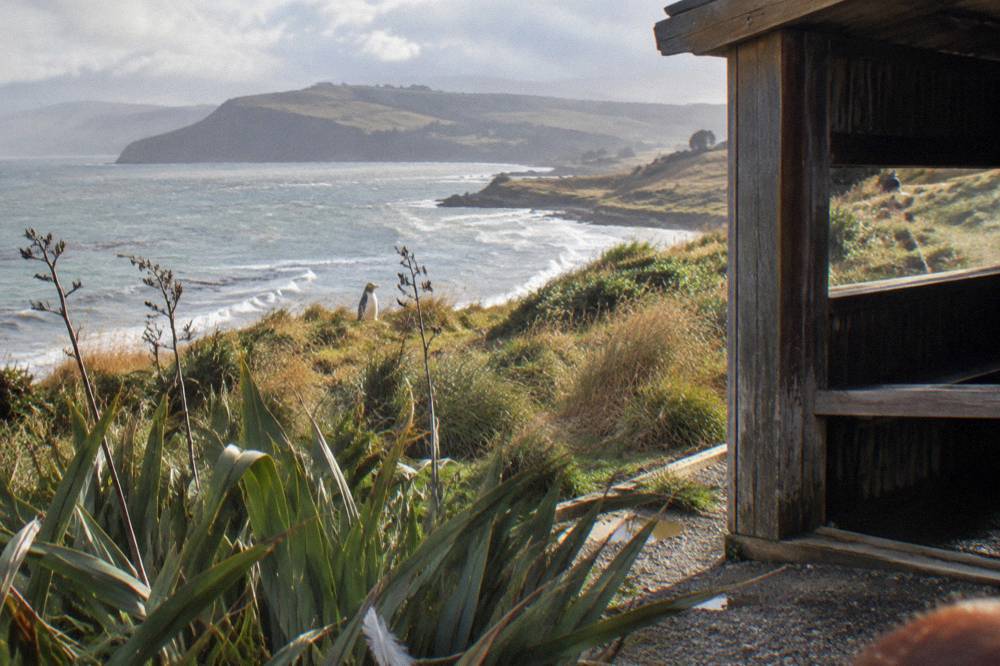
How Much Does A Penguin Place Dunedin Tour Cost?
The standalone reserve visit starts at $42.56 per person for the 90-minute guided tour, with a second booking page for the same visit from $42.00. Tours that bundle the reserve with a peninsula day run from $187.25 per person, and the full-day tour with albatross entry included starts at $224.13 per person. All figures are USD starting prices per person.
The standalone visit is one of the cheapest wildlife experiences covered on this site; only the Blue Penguins Pukekura evening viewing, from $34.04, and the one-hour Monarch harbour cruise, from $39.00 on one of its pages, sit lower. The step up to the packaged tours buys transport, commentary and the peninsula's scenery rather than a different reserve experience: the trench-and-hide walk you join on the $42.56 page is the walk you join on the $224.13 day.
| Tour | Price from (USD, per person) | What the price covers | Free cancellation |
|---|---|---|---|
| Small-Group Wildlife and Penguin Tour | $42.56 | 90-minute guided reserve visit, binoculars, waterproof jackets | Full refund at least 24 hours before start |
| Rehabilitation Centre and Reserve Walk | $42.00 | 90-minute guided tour, rehabilitation centre, reserve walk, rain jackets | Full refund at least 24 hours before start |
| Scenery and OPERA Conservation (Fantail) | $187.25 | 6-hour peninsula tour with OPERA visit, max 10 | Full refund at least 24 hours before start |
| Iconic Full-Day Wildlife Tour | $224.13 | 7 hours, OPERA entry, albatross Centre guided tour, port pickup and drop-off | Check the cancellation terms, stated non-refundable |
Two notes on reading those numbers. First, the two standalone pages hold separate review pools, 47 and 301 reviews respectively, so a rating on one page says nothing about the other; open both and compare them by name. Second, prices are starting figures per person and can move with date and option, so the amount you see for your date is the one that counts. The fuller price picture across all 26 tours, including the private up-to-4-people tour that is priced per group, is in the guide to Dunedin wildlife tour prices.
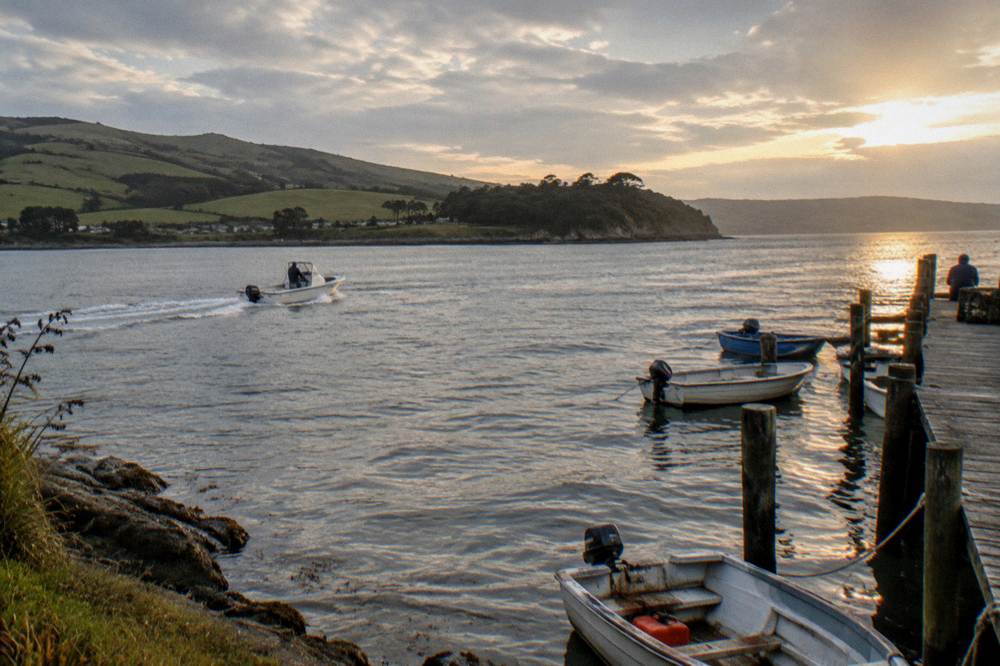
Where Is The Reserve And How Do You Get There?
The reserve is at 45 Pakihau Road on the Otago Peninsula, roughly 45 minutes from central Dunedin by road. The standalone tours start at the reserve itself, so you drive there or arrange your own transport; the packaged tours handle the driving, and two of them add pickup from defined points. Allow a half day in total for the standalone visit.
The peninsula reaches out from Dunedin along either Portobello Road, the harbour-side route, or Highcliff Road, the high route along the ridgeline, with the two merging toward the eastern end. Pakihau Road turns off toward the coast before Harington Point. The drive is part of the appeal: the harbour flats give way to farmland, and Allans Beach, about 25 km from the city, sits just beyond. Sea lions can lie on the gravel road to Allans Beach, the Department of Conservation warns, which is a reminder to drive the peninsula's back roads patiently.
Timing your visit is simpler than it looks. Departure times vary by date, so the booking calendar for your date is the source to check; sunset-based penguin viewing elsewhere on the peninsula shifts with the seasons, and the reserve's own slots follow its booking calendar rather than a fixed timetable. If you are combining the reserve with anything else on the peninsula, note that the Royal Albatross Centre at the very tip opens every day from 10:15am and the Centre explicitly warns not to route via State Highway 88 and Port Chalmers, which is the far side of the harbour with no road to the tip.
One roadworks note for the harbour-side route: Dunedin City Council has awarded the contract for a 220 m boardwalk extension along Latham Bay on Portobello Road, between the Portobello Boat Club and Portobello township, with completion by 30 June 2027 and two-way traffic kept for much of the construction. Piling from a pontoon starts from about early January. It is a localised project, not a closure, but it is worth knowing if your drive out runs along that stretch.
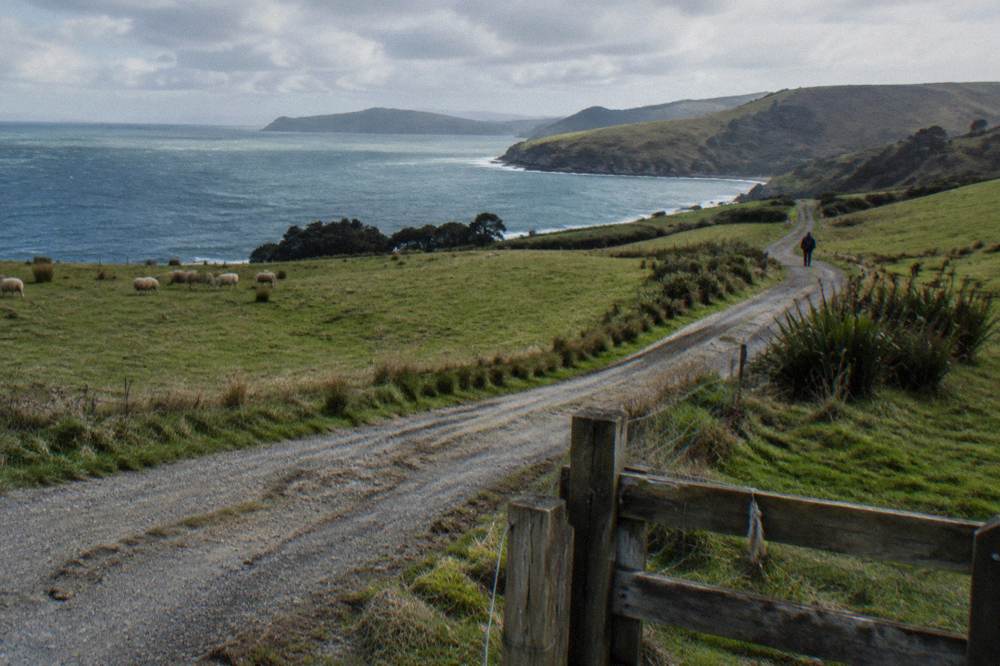
What Are The Penguin Viewing Rules At The Reserve?
Keep at least 50 m from penguins, never block their way in or out of the water, use no flash photography, and stay out of nesting areas. On land, keep at least 20 m from seals and sea lions. The reserve's trench-and-hide system exists to make those distances automatic, which is why independent beach visits carry risks that the guided tour does not.
The Department of Conservation's sharing-the-coast guidance is the baseline for anywhere hoiho appear. Beyond the 50 m penguin distance, it asks people not to linger on beaches where hoiho come ashore, to keep dogs leashed and well away from wildlife, and to report sick or dead birds on the 0800 DOC HOT hotline, 0800 362 468. The seal rules matter just as much around this reserve: 20 m on land, never coming between a fur seal and the sea, never touching, and in a boat, no faster than idle within 300 m of marine mammals. Penalties for disturbing protected wildlife run to two years' imprisonment or a fine up to NZD 250,000, which signals how seriously the rules are enforced. The full guidance is on the DOC sharing our coasts page.
| Animal or situation | Minimum distance | Rule |
|---|---|---|
| Penguins on land | 50 m | Never approach, never block access to the water, no flash |
| Seals and sea lions on land | 20 m | Never touch, never come between an animal and the sea |
| Vessels near marine mammals | Idle speed within 300 m | No more than three vessels within 300 m, no circling |
| Drones near marine mammals | More than 150 m | Taiaroa Head has a permanent drone restriction |
Inside the reserve, the guide enforces all of this for you, and the hides keep everyone compliant by design. Photography without flash is welcome on the Pukekura penguin viewing nearby, and the same no-flash discipline applies here. The temptation to chase a view is the one thing to leave at the gate: a hoiho that abandons a beach because a visitor crept closer has lost a rest or a feed, and with fewer than 115 mainland breeding pairs reported by RNZ in October 2026, every avoidable disturbance counts.
Can You See Penguins In Dunedin Without A Guided Tour?
You can walk public beaches where hoiho and little penguins live, but the Department of Conservation asks you to keep 50 m away, avoid lingering where penguins come ashore and never block their path, which in practice limits what you will see. The guided reserve tour is designed to give views within the rules; independent visits rely on luck and restraint.
Public spots around the peninsula do hold wildlife. Allans Beach, reached by a 500 m return track, has sea lions, fur seals and, in the Department of Conservation's phrase, "the odd penguin", with dogs allowed on a lead on the track but not on the beach. Sandfly Bay, a 560 m return track about 15 minutes each way down a steep sand dune, has fur seals and sea lions on its rocks and beach, and part of the Sandfly Bay Wildlife Refuge closes from 1 November to 28 February inclusive to protect wildlife. Neither place offers the structured, close-but-legal viewing the reserve's hide system provides, and both depend entirely on what happens to be ashore when you arrive.
The trade-off is honest: independence costs you the hide and the guide's eyes, and it costs the birds nothing only if you follow the distance rules to the letter. Some visitors do both, a public beach at midday and the guided reserve visit at its scheduled hour, and report that the contrast explains the reserve's value better than any description. The fuller rundown of free options is in the blog post on seeing penguins in Dunedin without a tour, and the seasonal questions are covered in what time of year penguins are seen.
Is The Reserve Tour Worth It Compared With Other Penguin Options?
For hoiho specifically, the reserve is the standout choice, because no other bookable experience is built around viewing this species within the rules. For little penguins, the Blue Penguins Pukekura evening viewing from $34.04 is the dedicated option, and several peninsula tours include a penguin element alongside other wildlife. What is worth it depends on which penguin you want to see.
Hoiho and korora, the little penguin, are different animals with different viewing economics. Little penguins come ashore in groups at dusk, predictable enough that the Pukekura experience can be built around a purpose-built platform at Pilots Beach, rated 5.0 across 578 reviews; the operator reports typically 50 to 300 penguins a night from September to February and 10 to 80 from March to August, though nothing is promised. Hoiho give no such show: they arrive and leave singly, often out of sight, which is why the reserve invests in trenches, hides and guides rather than a grandstand.
| Experience | Penguin focus | Price from (USD) | Duration | Best suited to |
|---|---|---|---|---|
| The OPERA reserve visit | Hoiho (yellow-eyed) | $42.56 | 1 hour 30 minutes | Seeing the rarest species responsibly |
| Blue Penguins Pukekura visit | Little penguins | $34.04 | 1 hour 30 minutes | Evening raft viewing, self-drive |
| Fantail evening penguins tour | Little penguins, entry included | $161.71 | 4 hours 30 minutes | Transport included from the Octagon |
| Iconic full-day tour | Hoiho plus albatross | $224.13 | 7 hours | One booked day, cruise visitors |
Visitors with a strong interest in penguins sometimes book both the reserve and the Pukekura evening on the same day, hoiho by guided walk and little penguins at dusk, which together cost less than a single packaged peninsula tour and cover the two species properly. Visitors with one day and no car are better served by a tour that drives the peninsula for them. The deeper comparison, including the cruise-style options, sits in the blog post on choosing between a penguin tour and a wildlife cruise.
What Should You Know Before You Book?
Know which of the two standalone booking pages you are opening, because they carry separate review pools at nearly the same price. Know that the reserve is one venue at 45 Pakihau Road whatever name a tour description uses. Know your transport plan, since the standalone visits start at the reserve, and check the cancellation terms, which differ between the tours.
The twin-booking-page situation deserves one clear explanation, and this is it. The OPERA wildlife and penguin tour appears on two booking pages: one showing 4.7 across 47 reviews and one showing 4.6 across 301 reviews, both around $42. They describe the same underlying 90-minute reserve experience, so open whichever page your search surfaces, read the inclusions listed there, and do not add or average the review counts. Beyond that pair, the choice is duration and budget: 90 minutes on site, a 6-hour peninsula day, or a 7-hour day that adds the albatross colony.
Practical checklist items follow from the tour descriptions. The standalone tour provides binoculars and waterproof jackets, so the packing list is short: comfortable shoes and warm layers. The Fantail 6-hour tour excludes snacks and lunch, and the Iconic full-day tour lists its inclusions as entry fees to The OPERA and the albatross guided tour plus cruise port pickup and drop-off, with meals not stated, so plan food for any long day. Weather on the peninsula changes fast; the tours run as scheduled in ordinary conditions, and the MetService Dunedin forecast is the sensible page to watch the day before.
Cancellation is straightforward on 25 of the 26 tours covered by this site, with a full refund when cancelled at least 24 hours before the start. The Iconic full-day tour is the exception: its booking terms state non-refundable, so read its terms before committing. If your plans hinge on a cruise ship call, note that the Dunedin cruise season runs 21 October 2026 to 16 April 2027, with most ships docking at Port Chalmers, 14 km and 15 to 20 minutes by shuttle from the city.
Common Questions About Penguin Place Dunedin Tours
Is Penguin Place Dunedin Still Open?
Yes. The venue was renamed The Otago Peninsula Eco Restoration Alliance, The OPERA, and continues at the same address, 45 Pakihau Road on the Otago Peninsula, with the same 90-minute guided reserve tour. There is one venue, not two.
How Much Does A Penguin Place Dunedin Tour Cost?
The standalone guided reserve visit starts at $42.56 per person on one booking page and $42.00 on the other, for 90 minutes. Tours that bundle the reserve with a peninsula day start at $187.25, and the full-day tour with albatross entry included starts at $224.13 per person. Prices are USD starting figures.
Will I Definitely See Yellow-Eyed Penguins On The Tour?
No tour promises a sighting, and the operator's own wording is that the tour gives "the best chance" of seeing hoiho while promising nothing. Hoiho are wild, rare birds; little penguins, fur seals and sea lions are also seen on the reserve, and every animal's presence varies.
How Do I Get To The OPERA Reserve?
The reserve is at 45 Pakihau Road on the Otago Peninsula, about 45 minutes from central Dunedin. The standalone tours start at the reserve, so you drive yourself or arrange transport; the packaged tours include travel, with pickup details on each tour's booking page.
Can I Visit The Rehabilitation Centre?
The rehabilitation centre is part of the guided visit when penguins are in the operator's care, so it depends on whether birds are being treated at the time. The 90-minute walk includes the reserve's trench and hide system regardless.
Is The Tour Refundable If My Plans Change?
The standalone reserve visits and the Fantail tour state a full refund when cancelled at least 24 hours before the start. The Iconic full-day tour is stated non-refundable in its booking terms, so check its cancellation terms before booking.