Can You See Seals On A Dunedin Wildlife Tour?
Yes, seals and sea lions can appear on Dunedin wildlife tours: cruises pass the Taiaroa Head fur seal colony, peninsula drives reach DOC-described haul-outs at Sandfly Bay and Allans Beach, and operators describe seals as sometimes seen.
Yes, seals and sea lions can be seen on Dunedin wildlife tours, though no operator promises a sighting. Harbour cruises pass the fur seal breeding site at Taiaroa Head, where DOC says seals and sea lions haul out, and land tours reach beaches where both species rest. Operators use careful wording, "sometimes seen" and "the best chance", because the animals are wild.
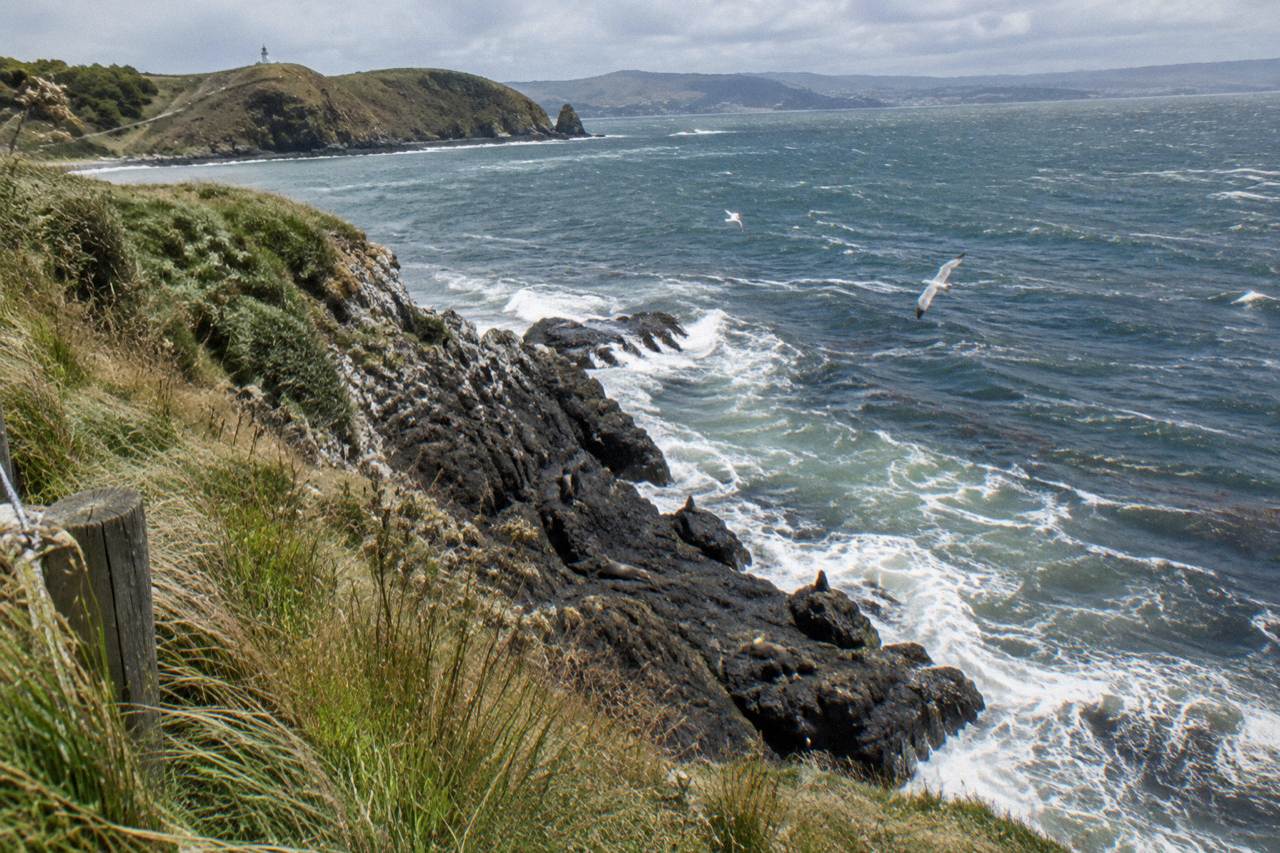
That careful wording matters. The Department of Conservation describes Taiaroa Head, at the tip of the Otago Peninsula, as a fur seal breeding site and a sea lion haul-out, and says nearby Pilots Beach is often the best place to see them. Boat tours that round the headland pass close to that colony, subject to the marine mammal rules that keep vessels at idle speed within 300 m. Land-based tours reach DOC-described haul-outs such as Sandfly Bay and Allans Beach, where fur seals and New Zealand sea lions rest on sand and rocks.
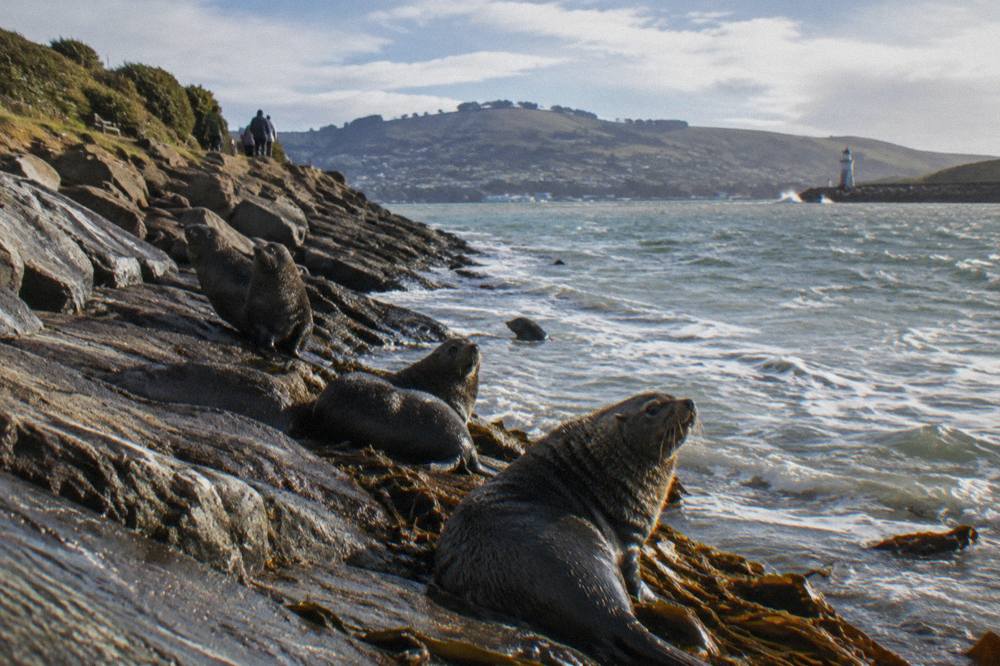
Two species are in play and they are easy to mix up. New Zealand fur seals, kekeno, are the ones breeding on the headland rocks in numbers. New Zealand sea lions, rāpoka, turn up on Otago beaches, sometimes even lying on the road at Allans Beach. A third species, the elephant seal, occasionally appears, though no operator lists it.
The practical answer for a visitor choosing a tour: a cruise is the most direct route past the main colony, a peninsula land tour can put you within viewing distance of beaches where both species rest, and several combo tours do both in one day. The rest of this article walks through where each option goes, what the distance rules allow, and what the tours cost.
“Rachel was very knowledgeable about all the wildlife and the location history. Great personality and welcoming to everyone. Hung around long enough to see two Royal Albatross in flight!”
Where Do Cruises Pass Seals On The Otago Peninsula?
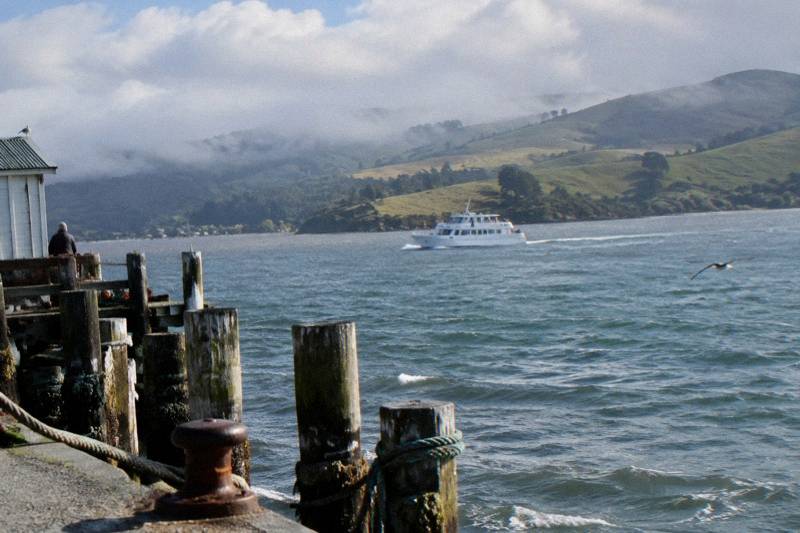
The Monarch cruises from Wellers Rock Wharf pass Taiaroa Head, which the operator describes as home to a lighthouse and a fur seal colony, before going a short way out to sea. Port To Port cruises from Port Chalmers cross the harbour toward the same headland. Blue penguins, dolphins and sea lions are described by the operators as sometimes seen. Because sightings from a boat are never promised, the guide to seeing blue penguins on a guided Dunedin tour explains where dedicated evening viewing options run and what they cost.
The one-hour Monarch cruise leaves Wellers Rock Wharf at 813 Harington Point Road, Otakou, and the operator suggests allowing 45 to 60 minutes to drive there from central Dunedin, with free parking at the wharf. From $42.56 per person and rated 4.6 across 257 reviews, it is a short, focused loop past Aramoana and Taiaroa Head. A second booking page for the same one-hour cruise, with commentary covering local history and geology, runs from $39.00 and carries its own separate review pool of 78. The two are the same trip seen on two pages, so compare them by name and price rather than merging the reviews.
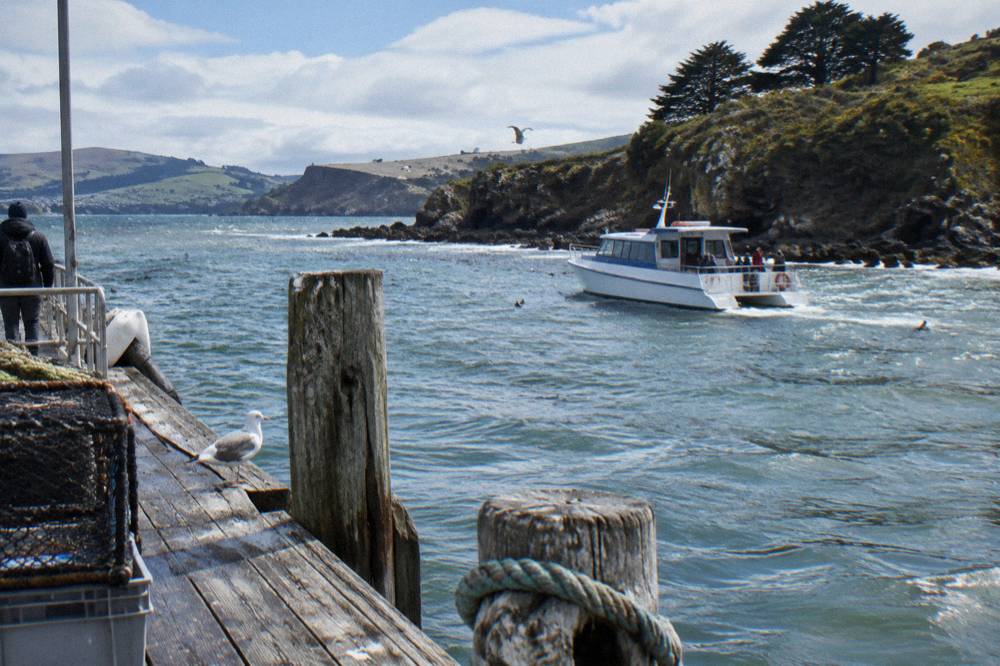
Port To Port Cruises runs small-boat trips from Port Chalmers, a short flat walk from the cruise terminal. The 1.5-hour Albatross, Seals and Sea Birds cruise is from $107.81 per person, rated 4.8 across 209 reviews, limited to 14 passengers, with binoculars and a wildlife identification sheet provided. A 2-hour version from the same operator costs the same from-price and carries 140 reviews. On a small boat at water level, seals hauled out on the rocks at the base of the headland are often the animals you see at the closest range of the whole trip.
The Wildlife Tour Plus Cruise Combo from Monarch stitches the two together: a guided drive along the Otago Peninsula by air-conditioned vehicle, then the one-hour cruise, with binoculars and warm waterproof jackets on the boat. It runs 6 hours 30 minutes, from $130.51 per person, rated 4.8 across 68 reviews, and it is a sensible pick when the question is exactly this one, because it covers both the land and the water side of seal country in a single day. For more on the boating side, see the guide to a Dunedin wildlife cruise.
What Is The Difference Between Fur Seals And New Zealand Sea Lions?
Fur seals are the common sighting around Dunedin: thousands breed along this coast, and Taiaroa Head is an established breeding site. New Zealand sea lions are rarer, classified by DOC as Threatened, Nationally Vulnerable, but they haul out on peninsula beaches and can even lie on the road at Allans Beach. Tours describe sea lions as sometimes seen.
The two animals look similar at a distance, but the differences show up quickly. Fur seals have a pointed snout, visible external ears set close to the head, and they gather in colonies on rocky shoreline. DOC says Taiaroa Head is a fur seal breeding site and that Pilots Beach, on the headland's western side, is often the best place to see them. Sea lions are bigger and bulkier, with a blunt muzzle; they move confidently across sand and can travel surprisingly far inland to rest. A resting sea lion on a popular beach is a common enough event on the Otago Peninsula that DOC publishes specific guidance for it, and anyone wanting the background on the species can read the fur seal's natural history and the New Zealand sea lion's.
Both species are protected, and the protection has teeth. DOC's sharing-the-coast rules require people on land to keep at least 20 m from seals and sea lions where possible, to avoid coming between a fur seal and the sea, and never to touch them, because they can be aggressive and carry diseases. Dogs must be on a leash and kept well away. Breaches can carry a penalty of up to two years' imprisonment or a fine up to NZD 250,000.
For boats, the rules are equally specific: no faster than idle or no-wake within 300 m, no more than three vessels or aircraft within 300 m, approach parallel and slightly to the rear, and never circle or cut through a group. Vessels stay at least 20 m from the water's edge at a seal colony, and drones and aircraft must keep more than 150 m away. Taiaroa Head carries a permanent drone restriction. The licensed tour boats operate inside these rules, which is why a cruise gives you a good look at the colony without disturbing it.
Which Dunedin Wildlife Trips Pass Seal Country?
Ten of the tours covered here include a boat leg, priced from $39.00 per person, and the Monarch cruises pass Taiaroa Head, the main fur seal breeding site. Land tours reach haul-out beaches by road. The table below shows which tour goes where, at what from-price and duration.
| Tour | Type | From (USD) | Duration | Rating and reviews | Where it goes for seals |
|---|---|---|---|---|---|
| Monarch One-Hour Cruise | Cruise | $42.56 | 1 hour | 4.6, 257 reviews | Passes Taiaroa Head fur seal colony |
| Monarch Cruise, Geology Commentary | Cruise | $39.00 | 1 hour | 4.3, 78 reviews | Same route, second booking page |
| Port To Port Albatross Cruise | Cruise | $107.81 | 1 hour 30 minutes | 4.8, 209 reviews | Harbour crossing toward the headland, max 14 |
| Albatross Cruise, 2 Hours | Cruise | $107.81 | 2 hours | 4.8, 140 reviews | Longer small-boat version |
| Coastal Adventures Harbour Cruise | Cruise | $73.76 | 1 hour 30 minutes | 4.5, 26 reviews | Harbour and coastline, max 18 |
| Shore Excursion Cruise With Pickup | Cruise | $79.44 | 2 hours 30 minutes | 4.5, 17 reviews | From Port Chalmers terminal, pickup included |
| Wildlife Tour Plus Cruise Combo | Combo | $130.51 | 6 hours 30 minutes | 4.8, 68 reviews | Peninsula drive plus the Monarch cruise |
The land-only options work differently. The Clearwater Small Group tour, max 10 guests, from $133.34 per person and rated 4.9 across 709 reviews, is the most reviewed trip covered on this site. It starts at 50 The Octagon and reaches private coastal beach and conservation reserves at the Clearwater family farm by 4WD, terrain where seals and sea lions can appear on the shoreline; about 1.5 km of walking over uneven natural terrain is involved, and the minimum age is 5. Binoculars and wind and rain proof jackets are provided, and there is complimentary water and cookies on board. A second Clearwater booking page, Farm Beach Access, 4WD, from $131.00 with 168 reviews, covers similar ground with the same group maximum, and the two review pools are separate.
Which style fits depends on your mobility and your time. A cruise needs no walking and puts the colony in view from the water. A 4WD beach tour involves sand and hills but puts you on land the public does not reach. The combo does both and takes most of a day.
Can You See Seals At Sandfly Bay Or Allans Beach?
Yes, both are DOC-described haul-outs, and some guided peninsula tours pass near them. DOC says fur seals and sea lions haul out on the rocks and beach at Sandfly Bay, and that Allans Beach has sea lions, fur seals and the odd penguin. No sighting is promised anywhere: the animals move with the tides and the season.
“This experience is exactly as described - and it was amazing! Quinn was our guide for the tour and he had so much great information about the local birds and wildlife. We enjoyed every minute of our time on the trip.”
Sandfly Bay, reached via Highcliff Road then Seal Point Road, has a 560 m return track, about 15 minutes each way, down a steep sand dune past a viewing platform, and dogs are prohibited. One conservation note worth knowing before you plan a walk there: part of the Sandfly Bay Wildlife Refuge is closed from 1 November to 28 February inclusive to protect wildlife, and DOC says to follow the signs to reach the beach. The track is also closed 8am to 4:30pm on 17 and 18 November 2026 for track construction, so check the DOC page before you go.
Allans Beach, about 25 km from the city via either Portobello Road or Highcliff Road and then a gravel road from Hoopers Inlet, has a 500 m return track. Dogs are allowed on a lead on the track but not on the beach. DOC warns that sea lions can lie on the road, which tells you how relaxed this coast is about where these animals rest.
Guided tours that cover the peninsula's eastern side can pass near these beaches, and the operator or guide decides the exact route on the day. If seals on a wild beach are the goal, a small-group land tour such as the Clearwater trips above, or a private tour, gives you the most say over where the day goes. For a wider comparison, the guide to Dunedin wildlife tour options compared lays out all the styles side by side.
Do You Get Close Enough For Photos?
Usually yes, from the water or from a hide, and always within the rules: boats idle within 300 m and stay 20 m from the water's edge at a seal colony, and people on land keep 20 m away. Binoculars are provided on several tours, and the cruise operators supply warm waterproof jackets, which matters for steady hands in the Otago wind.
Seals on rocks at Taiaroa Head are typically viewed from a passing vessel at a respectful distance, and a zoom lens in the 200 mm range does the work. On a small boat with 14 or 18 passengers, you can move along the rail for a clear angle. Blue Penguins Pukekura's rules for its penguin platform, non-flash photography welcome and no tripods, reflect a general principle that applies to seals too: no flash, no pursuit, and let the animal decide the encounter.
On land, the 20 m rule is the boundary, and a guide's positioning keeps the group inside it while maintaining a sightline. DOC also asks people never to come between a fur seal and the sea, because a startled animal's escape route runs through you. If you find a sick or injured seal, the DOC hotline is 0800 362 468, and the same number covers reporting sick or dead birds on the coast.
One honest caveat: sea conditions around the headland change fast. Cruise operators monitor the weather and will cancel or reroute when it is unsafe, and the refund terms are straightforward, a full refund when cancelled at least 24 hours before the start on the tours that state it, which is nearly all of them. What to wear on a Dunedin wildlife tour covers the clothing side in more detail.
Is There A Best Time Of Year For Seals Around Dunedin?
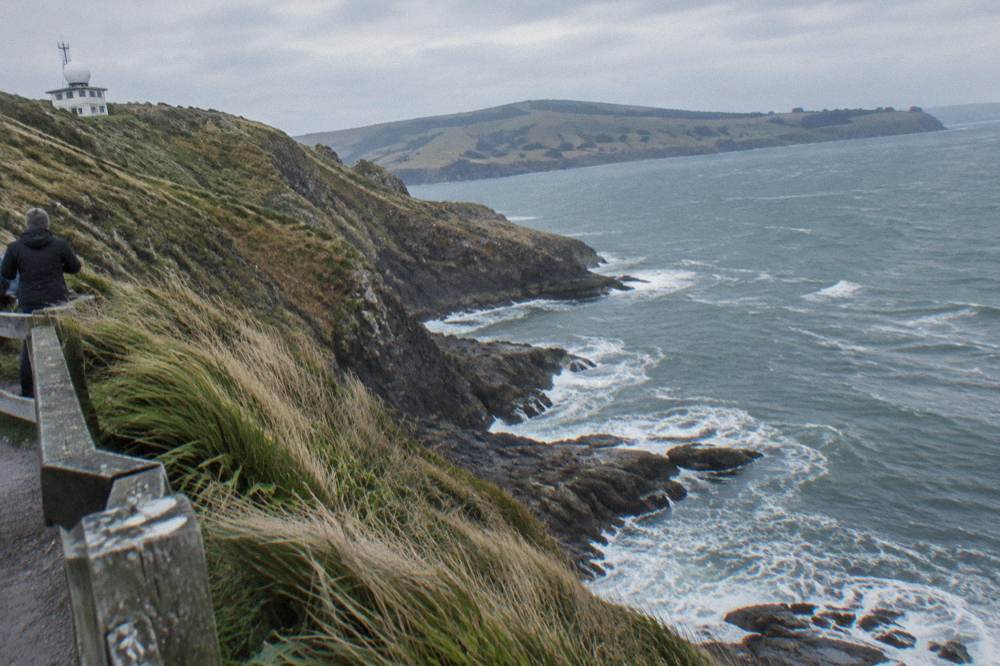
No single month is promised by any operator, and the honest answer is that fur seals are resident at Taiaroa Head year after year, so cruise routes pass the colony . Sea lion appearances are less predictable: they are described as sometimes seen, and a resting sea lion can appear on a peninsula beach in any season.
What changes through the year is the mix of animals and the backdrop. Fur seal pups are born in summer and the colony is busiest with young animals then, which makes for lively viewing from the water, though DOC's seasonal closures at Sandfly Bay, 1 November to 28 February, reflect exactly how sensitive this coast is while breeding wildlife is ashore. Winter brings quieter beaches and often clearer air, and the cruises keep running. Because departure times and dates vary through the seasons, the booking calendar for each tour is the place to confirm what runs when.
“Excellent communication and education about the penguins! Those little blue penguins are absolutely adorable!! Bonus seeing albatross fly over coupled with a clear night of star gazing made this adventure a night to remember. The milky way even made an appearance. Highly recommend!”
Timing interacts with the rest of your day, too. Penguin viewing at Pukekura happens at dusk, so a visitor pairing penguins with a cruise usually takes the boat earlier in the day and heads to Harington Point later. Albatross viewing at Taiaroa Head is, in DOC's words, almost a year round event, because the birds' 11-month breeding cycle keeps some stage of activity at the colony in every month. Seals fit around all of it, which is one reason they suit first-time visitors: you do not have to plan the day around them.
If your dates are fixed, book the tour style that matters most first. The small-boat cruises with 14 to 18 passenger caps are the tightest for seats, and the full-day combos that include entry fees fill next. The one-hour cruises are the most flexible for a short visit.
What About Seals If You Arrive On A Cruise Ship?
Cruise passengers have the shortest path to the seals: Port Chalmers tours leave from beside the terminal. The Port To Port cruises depart a 5 to 10 minute flat walk from the terminal building, and the Monarch shore excursion cruise picks up from the Private Tours Area inside the terminal itself, with a hot drink and biscuit on board.
“Being on the sea and seeing albatross flying, taking off and landing around us was so exciting. Spotting a little blue penguin and some fur seals were additional highlights.”
Dunedin's cruise ship season runs from 21 October 2026 to 16 April 2027, and most ships dock at Port Chalmers, 14 km from the city and 15 to 20 minutes by shuttle. That geography favors the harbour cruises: the Port To Port Albatross, Seals and Sea Birds cruise and its 2-hour sibling both leave from Port Chalmers, from $107.81 per person with a maximum of 14 passengers. The Monarch Shore Excursion Cruise With Pickup, from $79.44, rated 4.5 across 17 reviews, collects passengers with a MONARCH sign from the terminal and includes binoculars, jackets and a wildlife spotters guide.
Passengers with a full day can take a peninsula tour that starts or collects at the port. The Iconic Full-Day Wildlife Tour, 7 hours from $224.13, rated 4.8 across 37 reviews, picks up inside the Visitor Building on the ship's wharf and includes entry to The OPERA reserve and the Royal Albatross Centre guided tour, though it is the one tour here that is stated non-refundable, so check the cancellation terms before booking. The Small-Group Shore Excursion from Back to Nature Tours, 3 hours 30 minutes from $90.22, rated 4.6 across 291 reviews, is a shorter peninsula loop with pickup from designated meeting points.
Sailing in on a ship does mean one planning pressure: several small-boat tours cap at 14 to 18 passengers, so on days when two ships are in port the seats go early. Booking ahead for your port day is the practical answer.
For everything a first visit needs, from prices across the four tour categories to what each style includes, Dunedin Wildlife Tours keeps the full set of guides in one place.
Common Questions About Seals On Tours Around Dunedin
Can You See Seals On A Dunedin Wildlife Tour?
Yes, seals and sea lions can be seen, though no operator promises it. Cruises pass the Taiaroa Head fur seal breeding site, land tours reach haul-out beaches, and operators describe sea lions and dolphins as sometimes seen.
Are Seals Or Sea Lions More Common Around Dunedin?
Fur seals are the common sighting; DOC describes Taiaroa Head as a fur seal breeding site. New Zealand sea lions are rarer but haul out on peninsula beaches and can even lie on the road at Allans Beach.
How Close Do The Tours Get To The Seals?
Boats travel at idle within 300 m of marine mammals and stay at least 20 m from the water's edge at a seal colony. On land, people keep at least 20 m from seals and sea lions and never come between a fur seal and the sea.
Which Cruise Is Cheapest For Seeing Seals?
The Monarch one-hour cruise starts from $39.00 on one booking page and $42.56 on the other, both from Wellers Rock Wharf. The Port To Port cruises from Port Chalmers start from $107.81 with a maximum of 14 passengers.
Can You See Seals At Sandfly Bay?
Yes, DOC says fur seals and sea lions haul out on the rocks and beach there. Part of the refuge closes 1 November to 28 February to protect wildlife, so follow the signs, and dogs are prohibited.
What Should You Do If You Find A Sick Seal?
Keep at least 20 m away, keep dogs on a lead and well away, and never touch the animal. Report sick or injured seals, or sick or dead birds, to the DOC hotline on 0800 362 468.