Which Animals Can You See On A Dunedin Wildlife Tour?
The animals Dunedin wildlife tours can encounter, from albatross at Taiaroa Head to hoiho and little penguins on the Otago Peninsula, with the tours that go where each species lives.
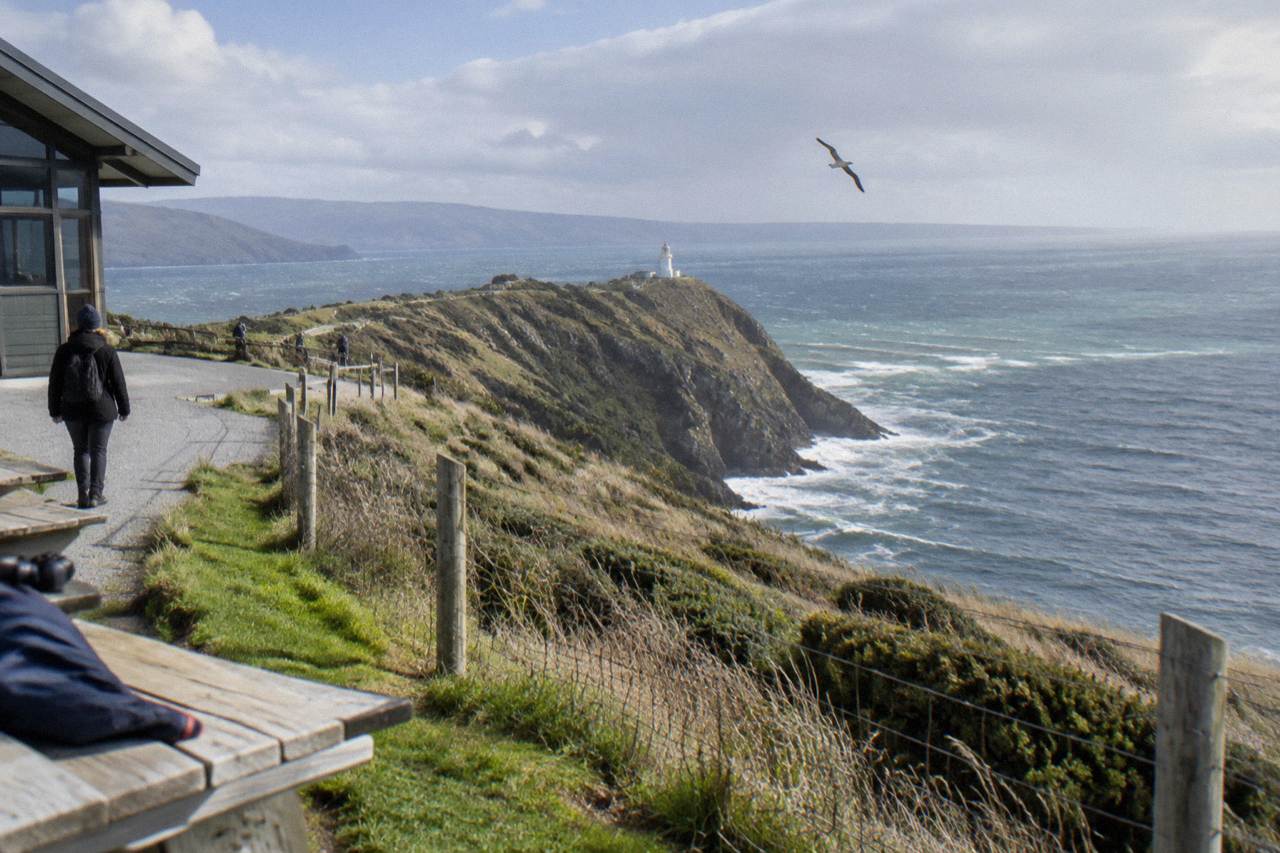
A Dunedin wildlife tour can put you in front of northern royal albatross at Taiaroa Head, hoiho and little penguins on the Otago Peninsula, New Zealand fur seals and New Zealand sea lions on the beaches and rocks, plus shags, petrels and other seabirds across the headland and harbour. Every one of these animals is wild, so operators and DOC describe them as animals you may see, never animals you will see. Since wild penguins follow their own breeding and moult schedules, the guide to penguin seasons on Dunedin tours helps you plan a visit when hoiho and little penguins are most likely to be around.
That single word, may, is the honest frame for the whole question. The Otago Peninsula is one of the few places on earth where a mainland albatross colony sits a short drive from a city. DOC says around 10,000 seabirds live on the Taiaroa Head headland alone. What any single tour encounters depends on the day, the weather, the season and the stage of each species' breeding cycle, and the tours covered here are careful to say so.
The animals group into four practical families, and each family lines up with a type of tour. Albatross and most seabirds belong to the headland and the water, so cruises and tours that include a Royal Albatross Centre guided tour are where they appear. Hoiho, the yellow-eyed penguin, belong to the private reserves and hides on the eastern side of the peninsula, which is where The OPERA and the tours that visit it go. Little penguins come ashore at dusk at Pilots Beach, which is the Blue Penguins Pukekura experience. Seals and sea lions haul out on the rocks and sand around Taiaroa Head, Allans Beach and Sandfly Bay, and show up on land tours and cruises alike.
The practical starting point for most visitors is a small-group land tour that covers several of these places in one morning or afternoon. The Clearwater peninsula wildlife tour is the most reviewed option at 4.9 across 709 reviews, runs four hours from 50 The Octagon with binoculars and jackets provided, and caps the group at ten. From there, a penguin evening or a harbour cruise adds the species a land vehicle cannot reach.
Where Can You See Albatross Near Dunedin?
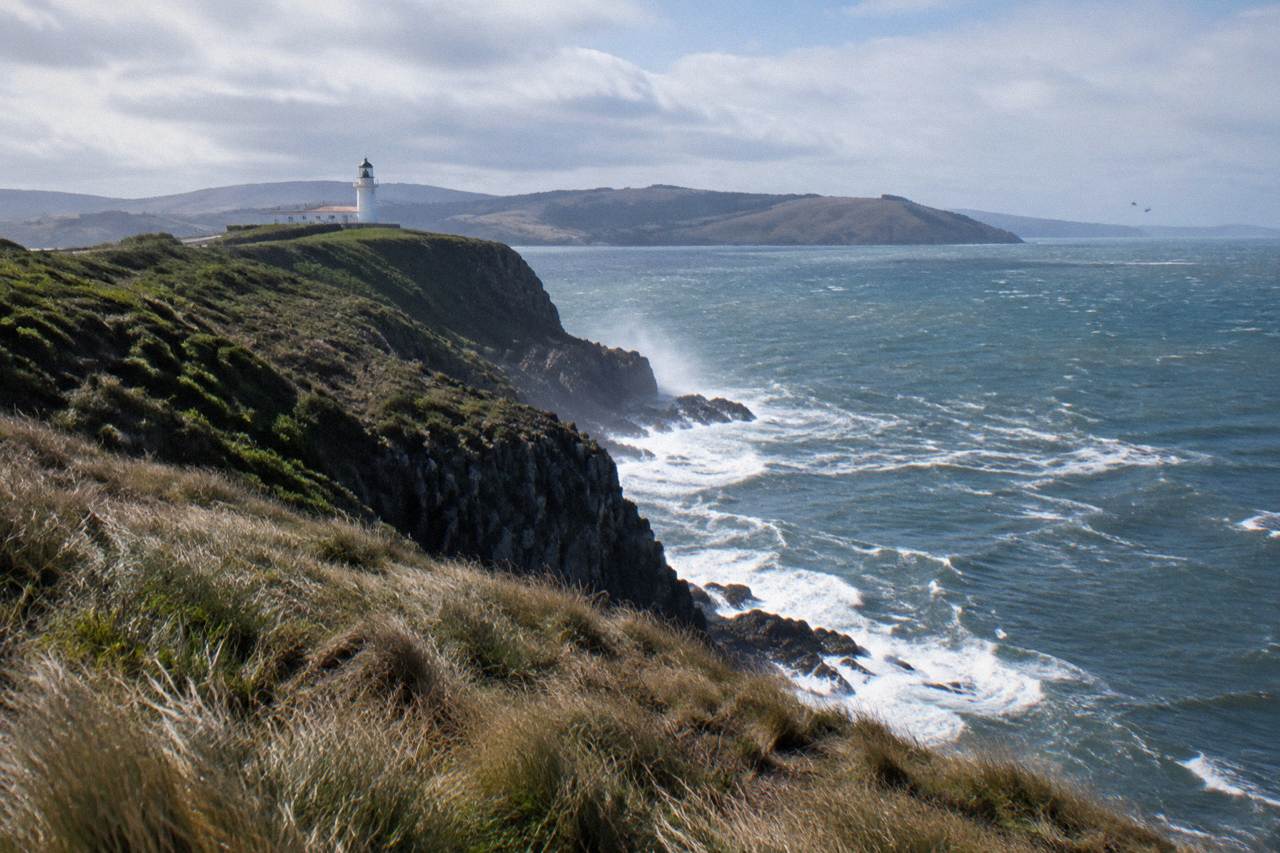
Northern royal albatross can be seen at Taiaroa Head on the tip of the Otago Peninsula, the only mainland breeding colony of albatross in the Southern Hemisphere. DOC and the Royal Albatross Centre put the colony at about 200 to 250 birds, and DOC describes viewing as almost a year round event because the breeding cycle runs some eleven months from one September to the next.
The reserve itself cannot be entered. DOC is explicit that a visit to the Richdale Observatory, on a Royal Albatross Centre tour, is required to see the nesting and courtship activity, and the Centre says albatross tours are the only way to see the nesting birds. On windy days DOC says albatross can be seen gliding over the headland from the visitor centre, but no tour or operator promises that. Among the tours covered here, the Centre's guided tour is included on the Fantail City Highlights Plus Albatross tour, the Albatross Centre Tour With Pickup, and the Iconic Full-Day Wildlife Tour. The Skyline small-group tour and the private NZ South Island tour state it is not included, and on those the albatross stop is free time or an optional extra booked in advance.
The breeding cycle drives what you might see. The Centre describes birds returning in September, nest-building in October, a single egg laid in the first three weeks of November, and incubation of about 80 days, with chicks hatching late January to early February and fledging around the following September. Pairs raise a chick once every two years. There is no single best month: what changes is the stage, from courtship to egg to chick to fledgling. For more on timing, the guide to the best time for an albatross tour works through the cycle month by month.
Koau, the Otago shag, is the other headline bird here, and DOC says the observatory is the best place to see it. The Centre also points to over 20 other wildlife species around the headland.
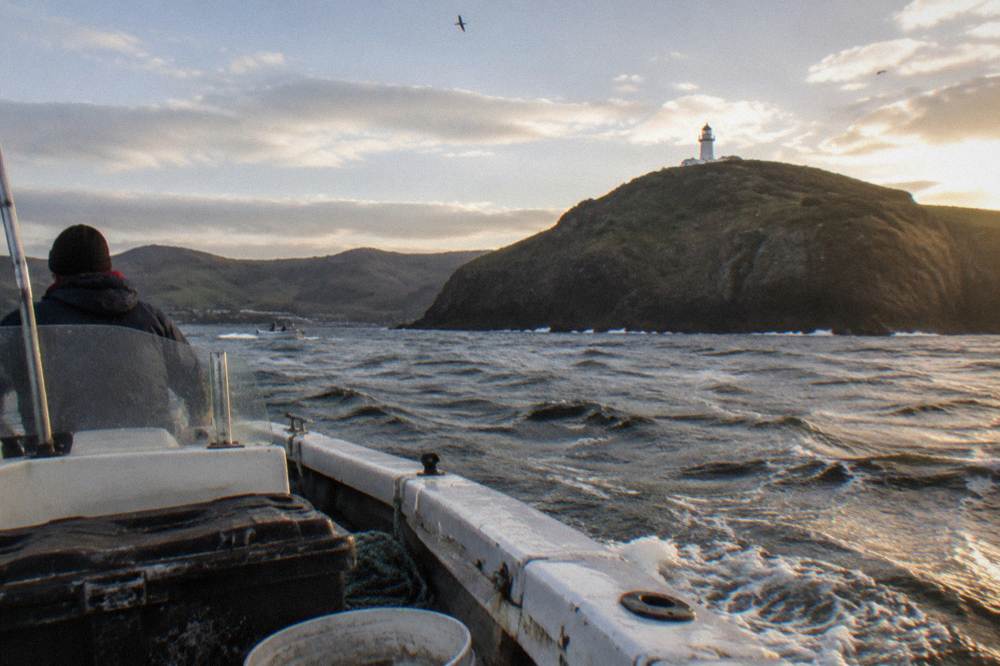
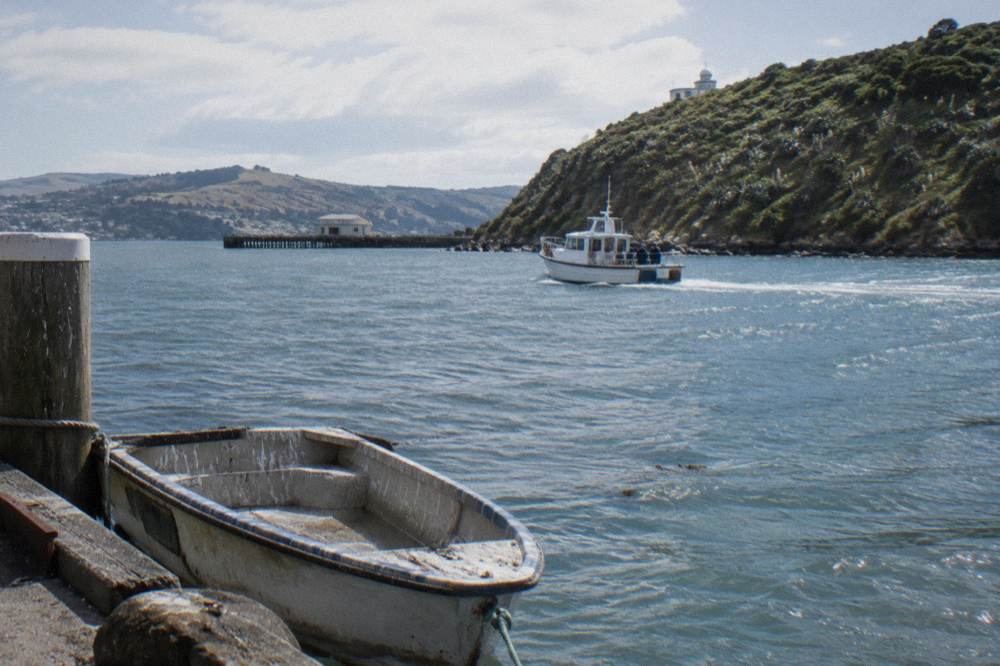
Cruises give the other angle on the same headland. The Monarch one-hour cruise passes Aramoana and Taiaroa Head with its lighthouse and fur seal colony. Albatross may be on the wing, on the water or over the reserve; which of the three you get is the day's decision, not the operator's.
Can You See Penguins On A Dunedin Wildlife Tour?
Yes, two penguin species appear on Dunedin tours: hoiho, the yellow-eyed penguin, and korora, the little penguin. Hoiho are described by The OPERA as the reserve's signature species and the operator says its trench-and-hide tour gives the best chance of seeing them, while little penguins come ashore at dusk at Pilots Beach near Taiaroa Head on the Blue Penguins Pukekura viewing platform. Neither is ever promised by name or number.
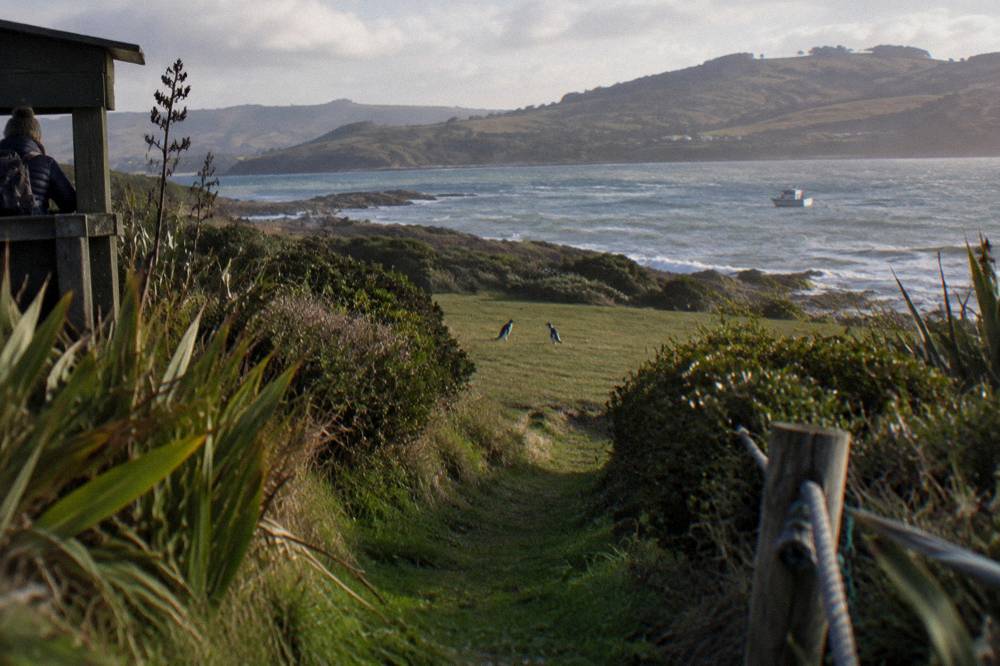
Hoiho are the rarer and more fragile of the two. DOC lists them as Threatened, Nationally Endangered, found only in New Zealand, and RNZ reported in October 2026 that fewer than 115 breeding pairs remain on mainland New Zealand and Rakiura. The northern population fell from about 741 breeding pairs in 1999 to 265 in 2019, a 65 percent decline in twenty years, and about a quarter to a third of mainland chicks have died of respiratory distress syndrome in each of the past three years. A permanent commercial set-net closure around the Otago Peninsula was decided by the Minister in July 2026. That is the backdrop to why every hoiho viewing operation on the peninsula works from hides and trenches rather than open beaches.
The OPERA, the eco reserve at 45 Pakihau Road formerly known as Penguin Place, runs a 90-minute guided journey through that system. Two tours covered here are essentially the same experience at different depths: the Small-Group Wildlife and Penguin Tour at 4.7 across 47 reviews from $42.56, and the Rehabilitation Centre and Reserve Walk at 4.6 across 301 reviews from $42.00, both 90 minutes, both starting at The OPERA itself. Longer tours that include an OPERA visit are the Fantail Scenery and OPERA Conservation tour and the Monarch Wildlife Tour Plus Cruise Combo.
Little penguins are the accessible species. DOC says around 600 pairs live on the Taiaroa Head headland with over 350 at Pilots Beach, where they are seen at dusk throughout the year from the Pukekura Trust's viewing arrangement. The Blue Penguins Pukekura standalone visit, from $34.04 per person and the cheapest tour covered here at 5.0 across 578 reviews, is a 90-minute experience on a purpose-built platform, self-drive to 1245 Harington Point Road. The operator says typically 50 to 300 penguins a night arrive from September to February and 10 to 80 from March to August, and asks for non-flash photography with no tripods. Evening versions with transport from the city include the Fantail Sunset Penguins tour, which includes the 1.5-hour viewing entry, and the Albatross Centre Free Time and Penguins tour at 5.0 across 20 reviews.
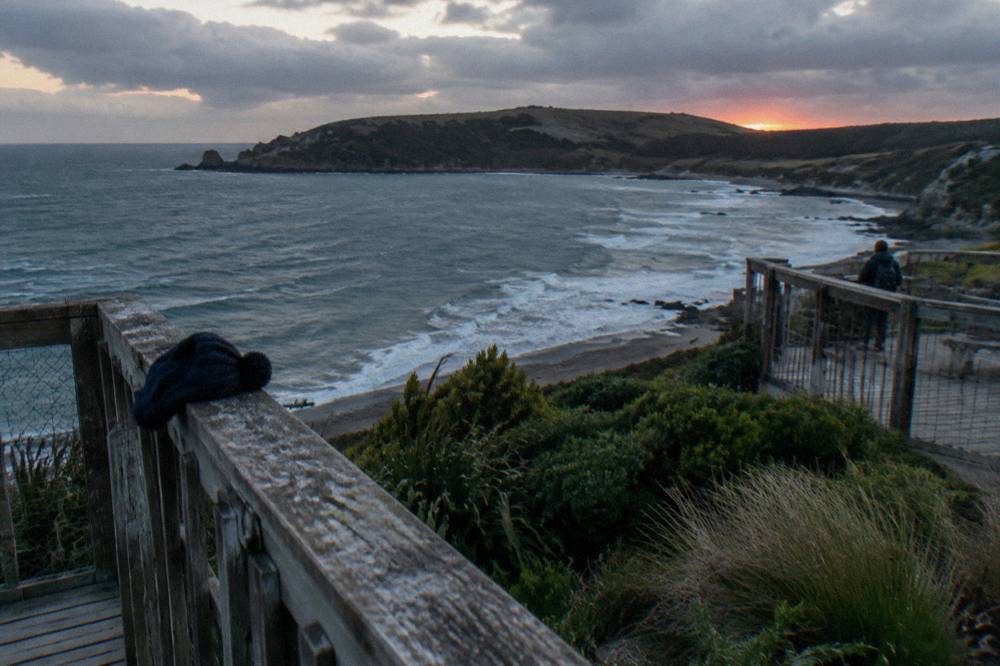
The honest comparison is on the page about penguin tours versus wildlife cruises in Dunedin. In short: a dedicated evening gives you korora in numbers, a reserve tour gives you the best chance of hoiho, and a full-day tour can stack both.
Which Seals And Sea Lions Might A Tour Encounter?
New Zealand fur seals and New Zealand sea lions can appear on almost every tour type covered here, on the rocks at Taiaroa Head, on the beaches at Allans Beach and Sandfly Bay, and in the water around the harbour cruises. DOC describes Taiaroa Head as a fur seal breeding site and sea lion haul-out, and the cruises that pass the headland report both from the water, sometimes alongside dolphins and blue penguins.
On land the encounters are governed by distance rules, and the tours are built around them. DOC asks people to keep at least 20 metres from seals and sea lions if possible, to avoid coming between a fur seal and the sea, and never to touch them, because they can be aggressive and carry diseases. In the water, vessels go no faster than idle within 300 metres of marine mammals, stay at least 20 metres from the water's edge at a seal colony, and drones must keep more than 150 metres away. The penalty for disturbing protected marine mammals runs to two years' imprisonment or a fine up to NZD 250,000, and commercial operators need permits, which is part of what you are buying on a licensed tour.
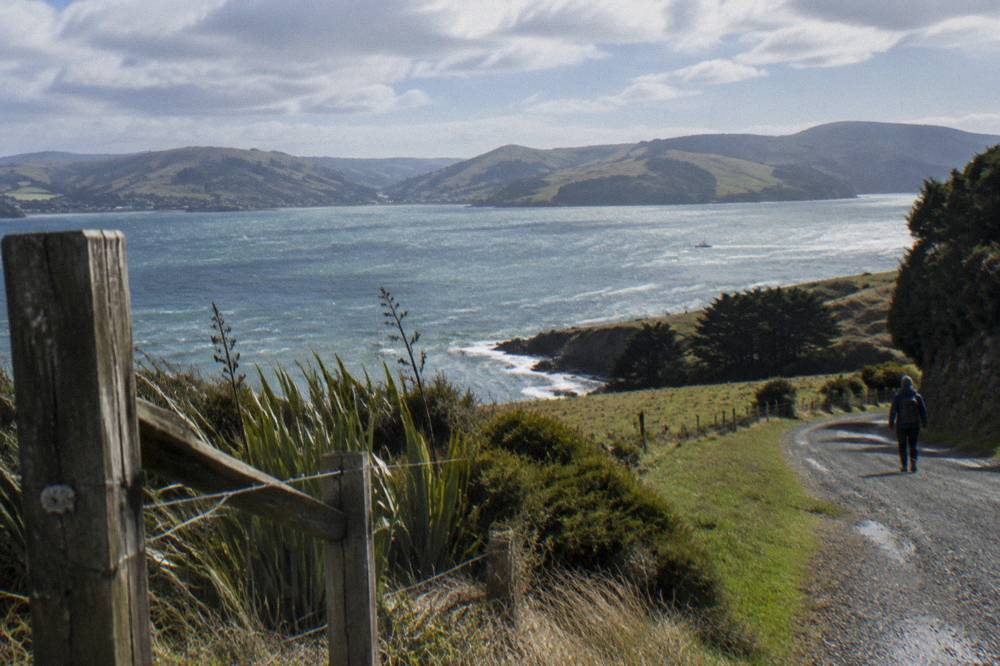
The beaches where sea lions turn up are worth knowing even if you never step on them. Allans Beach, about 25 km from the city via Portobello Road or Highcliff Road, is a 500-metre return track where DOC says sea lions, fur seals and the odd penguin appear, and where sea lions can lie on the road itself. Sandfly Bay, reached via Highcliff Road then Seal Point Road, is a 560-metre return track where seals and sea lions haul out on the rocks and the beach; part of the wildlife refuge there is closed from 1 November to 28 February to protect wildlife, and the track is closed for construction on 17 and 18 November 2026. Peninsula land tours such as the Clearwater Small Group tour visit a private coastal farm, with about 1.5 km of walking over uneven natural terrain, sand, hills and steps.
From the water, the Monarch cruises pass the Taiaroa Head fur seal colony, and the Port To Port and Coastal Adventures cruises work the same stretch of harbour. The operator's own wording is that blue penguins, dolphins and sea lions are sometimes seen on the water leg, which is the level of claim any honest description should make.
What Other Birds And Wildlife Appear On These Tours?
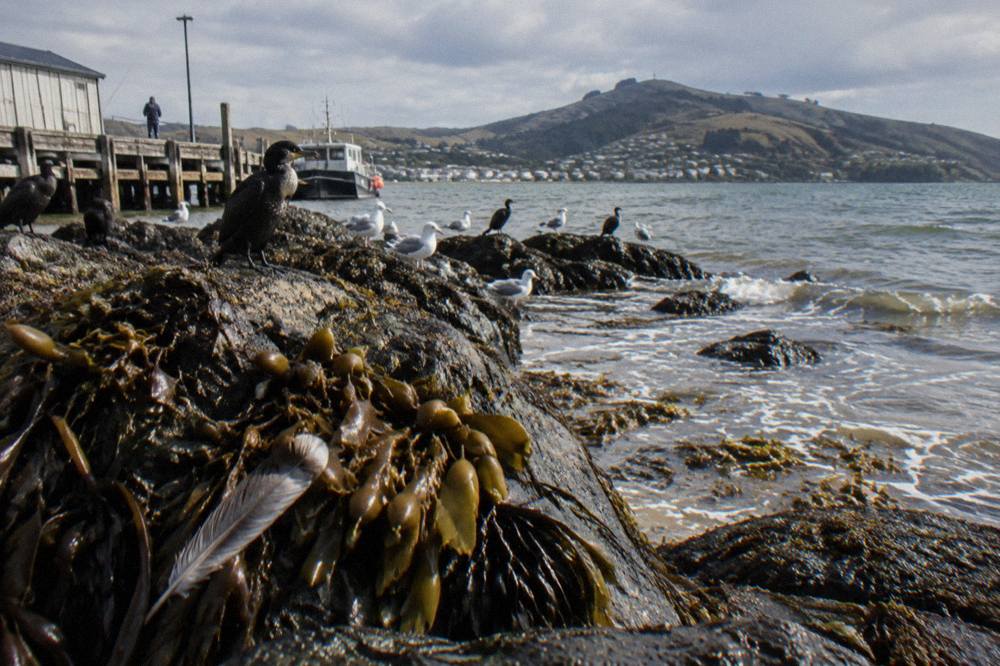
Beyond the headline species, DOC and the operators describe koau and spotted shags, petrels and other seabirds around Taiaroa Head, forest and sea birds inside The OPERA's reserve, and dolphins sometimes seen from the harbour cruises. The Royal Albatross Centre points to over 20 other wildlife species around its headland alone, and no tour lists a fixed species count for any single departure.
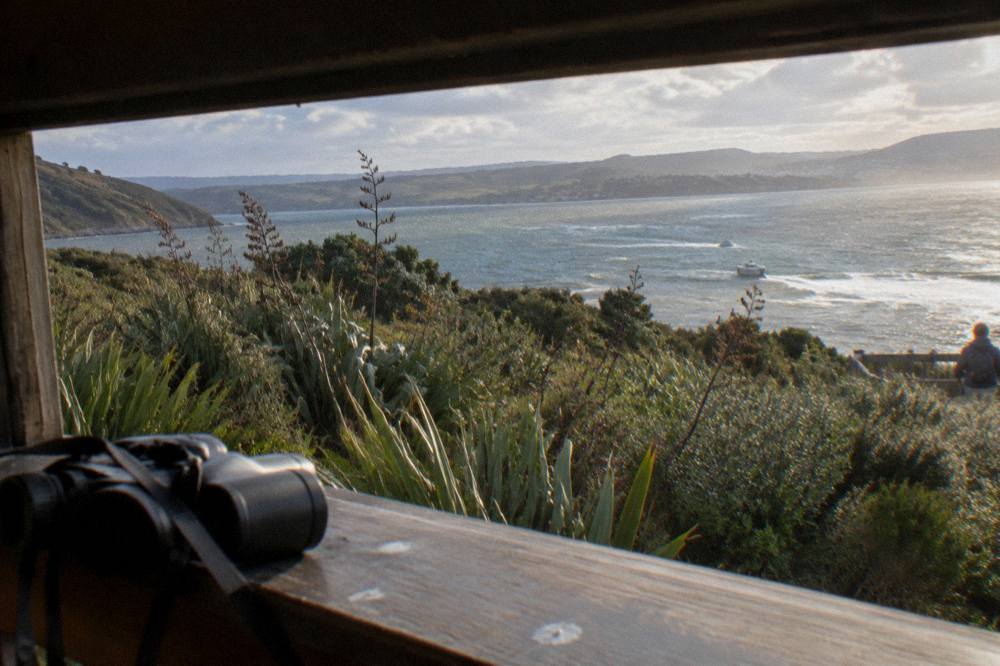
Koau, the Otago shag, deserves its own line. It is an Otago Peninsula specialty, nesting on the cliffs, and DOC says the Richdale Observatory is the best place from which to see it, which makes the tours that include the Centre guided tour the natural choice for a birder. Inside The OPERA's reserve the list broadens from sea to land. The operator describes a 90-minute journey through a private eco reserve where hoiho and little penguins are the drawcards but fur seals, sea lions, sea birds and forest birds all live, alongside a rehabilitation centre visit when penguins are in the operator's care. The two 90-minute OPERA-based tours covered here both take that route, and the Monarch combo and Fantail Scenery and OPERA Conservation tour add it to a peninsula loop.
Dolphins are the wildcard. The cruise operators' wording is that dolphins are sometimes seen in Otago Harbour and off the headland, and no species is named on any tour page covered here. Treat a dolphin encounter as a bonus on a cruise day rather than a reason to book, and the same goes for orca, which are not mentioned on any of these tours' descriptions at all.
For readers comparing formats, the broader Dunedin wildlife tour options compared page sets out which tours cover which ground, and the species table below is the short version.
| Animal | Where DOC or the operators place it | Tours covered here that go there |
|---|---|---|
| Northern royal albatross | Taiaroa Head colony, seen from the Richdale Observatory and from the water | City Highlights Plus Albatross, Albatross Centre Tour With Pickup, Iconic Full-Day Tour, Monarch cruises, Port To Port cruises |
| Hoiho, yellow-eyed penguin | The OPERA reserve, hides and trenches at 45 Pakihau Road | Small-Group Wildlife and Penguin Tour, Rehabilitation Centre and Reserve Walk, plus tours with an OPERA visit included |
| Little penguin, korora | Pilots Beach at dusk, viewed from the Pukekura platform | Pukekura Penguins Standalone Visit, Sunset Penguins Entry Included, Albatross Centre Free Time and Penguins, Pukekura Combo |
| New Zealand fur seal | Taiaroa Head breeding site, Allans Beach, Sandfly Bay, harbour waters | Monarch cruises, Port To Port cruises, peninsula land tours |
| New Zealand sea lion | Allans Beach, Sandfly Bay, Taiaroa Head haul-out | Peninsula land tours, The OPERA reserve, harbour cruises |
| Koau, Otago shag | Taiaroa Head cliffs, best from the observatory per DOC | Tours that include the Centre guided tour, harbour cruises |
| Dolphins | Sometimes seen in Otago Harbour and off the headland, operator wording | Harbour and albatross cruises |
Now that you know which animals live where, the species-by-species comparison of Dunedin wildlife tours helps you pick the single trip that covers everything you hope to see.
Do Any Tours Combine Land And Sea Wildlife?
Yes, several do. The Monarch Wildlife Tour Plus Cruise Combo pairs a guided peninsula drive with an OPERA visit and a one-hour cruise in six and a half hours, the Larnach Castle and Cruise tours add a harbour wildlife cruise to a castle stop, and the Iconic Full-Day Wildlife Tour bundles the Centre's guided albatross tour with The OPERA in a seven-hour day from Port Chalmers.
The combo logic is simple: the albatross and seals sit at the tip, the hoiho hides sit mid-peninsula, and the penguins come ashore at dusk, so a single-purpose tour only ever covers one or two of those. The Monarch combo at 4.8 across 68 reviews from $130.51 per person is the cleanest single booking that touches land reserve and open water, with binoculars and jackets on the boat leg and a stated guide on the drive. The Iconic full-day tour at $224.13, the highest per-person from-price covered here, is the only tour that states both Centre entry and OPERA entry in its inclusions; its booking terms mark it non-refundable, so check the cancellation terms before booking.
Cruise-ship visitors have their own set. The season runs 21 October 2026 to 16 April 2027, most ships dock at Port Chalmers, and a string of tours start right at the cruise terminal: the six-hour Penguin Tour With Pickup, the Iconic full-day tour, the Skyline Small Group tour and the Monarch shore-excursion cruise among them. The Dunedin shore excursions wildlife guide works through those in detail. The animals are the same animals; the difference is where the bus meets you.
For independent travellers, the pieces can also be booked separately and driven between. The Royal Albatross Centre at 1259 Harington Point Road opens every day from 10:15am, closed only on Christmas Day, and warns drivers to come via Portobello rather than State Highway 88, which is the wrong side of the harbour with no road to the tip. Blue Penguins Pukekura is at 1245 Harington Point Road, a short distance from the Centre, which makes a self-drive albatross-plus-penguins day a realistic plan. That ground is covered in the guide to the Royal Albatross Centre tickets and tours.
What Rules Apply When Watching Wildlife In Dunedin?
DOC and the Dunedin Wildlife Care Code require at least 50 metres from penguins, at least 20 metres from seals and sea lions on land, and idle speed within 300 metres of marine mammals for vessels. No flash photography near penguins, no blocking their path to the water, no drones near Taiaroa Head, and the DOC hotline for sick or dead birds is 0800 362 468. Guided tours exist largely to make these rules easy to follow.
The distances are not etiquette, they are law with teeth. Breaching the marine mammal protections can mean up to two years' imprisonment or a fine up to NZD 250,000, and Taiaroa Head carries a permanent drone restriction on top. The reason the peninsula's penguin experiences run from trenches, hides and elevated platforms rather than open beach walks is that hoiho are exceptionally sensitive to disturbance: DOC notes that human disturbance is a listed threat, that disturbance lengthens the moulting period when the birds sit ashore for about 25 days in autumn, and that dogs are especially dangerous to them from February to April.
Guided tours handle the compliance for you. The OPERA's trench system keeps people below the sightline of nesting birds, Blue Penguins Pukekura's platform keeps spectators off the beach the penguins land on, and the cruise operators hold the speed and distance rules on the water with DOC permits. That structure is the quiet argument for booking a tour rather than walking up to wildlife yourself, and Dunedin Wildlife Tours exists to show which tour fits which animal.
A self-guided day is still possible with care. Keep the distances, keep dogs on leads and well away from any beach with wildlife, and if a sea lion is lying on the gravel road to Allans Beach, wait rather than squeeze past. The rules and the reasons behind them are laid out by DOC on its sharing our coasts guidance, and the albatross colony's own protections are described on the DOC Taiaroa Head page.
How Do You Pick A Tour For The Animals You Most Want?
Pick by species: an OPERA-based tour for hoiho, the Pukekura evening platform for little penguins, a Centre-inclusive tour or a cruise for albatross, and any peninsula land tour or harbour cruise for seals and sea lions. Per-person from-prices across the 26 tours covered here range from $34.04 for the standalone Pukekura visit to $224.13 for the full-day Iconic tour, with a median of $107.81.
Budget and time usually settle it. A single morning on a small-group peninsula tour, such as the Clearwater tour at 4.9 across 709 reviews from $133.34, covers the coast, the reserves and the headland viewpoint with a guide and binoculars. An evening at Pukekura adds the penguin arrival for $34.04. A one-hour Monarch cruise from Wellers Rock Wharf at $42.56 adds the water-level view of the seal colony and the lighthouse. Those three together cost less than the full-day Iconic tour and touch every headline species, at the price of organising your own connections.
Review counts deserve a caveat that honest writing should not skip. Twin booking pages exist for several trips covered here, including the Clearwater small-group tour and the Monarch one-hour cruise, each with its own separate review pool, and the numbers should never be merged. A handful of tours are new options with fewer than 15 reviews each, including the Fantail evening penguin tour and the private NZ South Island tour, and a small review pool says nothing about quality either way.
Cancellation terms are the last practical filter. Twenty-five of the 26 tours covered here state a full refund when cancelled at least 24 hours before the start. The Iconic full-day tour is the exception, marked non-refundable in its booking terms, so check the cancellation terms on that one before committing. Wildlife being wild, flexible plans are worth more than any promise an operator could make about what the day will show you, and the Royal Albatross Centre site and the Monarch Wildlife Cruises site both publish what their own legs of a peninsula day involve.
Common Questions About Animals On Tours Around Dunedin
Which Animals Can You See On A Dunedin Wildlife Tour?
Northern royal albatross at Taiaroa Head, hoiho and little penguins on the Otago Peninsula, New Zealand fur seals and sea lions on the rocks and beaches, and shags, petrels, other seabirds and sometimes dolphins on the water. All are wild, so operators and DOC describe them as animals you may see rather than animals you will.
Can You See Yellow-Eyed Penguins On A Dunedin Tour?
Yes, you may. The OPERA reserve at 45 Pakihau Road runs a 90-minute guided tour through a trench-and-hide system, and the operator says it offers the best chance of seeing hoiho while promising nothing. Five tours covered here include an OPERA visit, and two 90-minute tours start at the reserve itself.
Are Albatross Guaranteed On A Dunedin Wildlife Cruise?
No tour or operator guarantees an albatross sighting. The colony at Taiaroa Head holds about 200 to 250 birds and DOC calls viewing almost a year round event, but sightings from a cruise depend on the day. The only way to see the nesting birds is a Royal Albatross Centre guided tour from the observatory.
Can You See Penguins And Albatross On The Same Tour?
Yes. The Iconic Full-Day Wildlife Tour includes entry to both The OPERA and the Royal Albatross guided tour in one seven-hour day from Port Chalmers. Self-drivers can also pair the Centre, open daily from 10:15am, with a Blue Penguins Pukekura evening, since both sit on Harington Point Road.
Do The Harbour Cruises See Seals And Sea Lions?
The Monarch cruises pass the fur seal colony at Taiaroa Head, and sea lions, blue penguins and dolphins are described by the operator as sometimes seen. On land, tours around Allans Beach and Sandfly Bay may encounter both seals and sea lions from at least 20 metres away.
What Is The Cheapest Dunedin Wildlife Tour For Seeing Animals?
The Pukekura Penguins Standalone Visit is the cheapest tour covered here at from $34.04 per person, rated 5.0 across 578 reviews. It is self-drive to Harington Point, and the operator says typically 10 to 300 little penguins arrive a night depending on the season.