Best Time To Visit The Royal Albatross Centre On A Guided Tour
There is no single best month at Taiaroa Head. Albatross are an almost year round event because each pair raises one chick over about 11 months, so the question is not which month to go but which stage of the cycle you want to watch.
Short answer
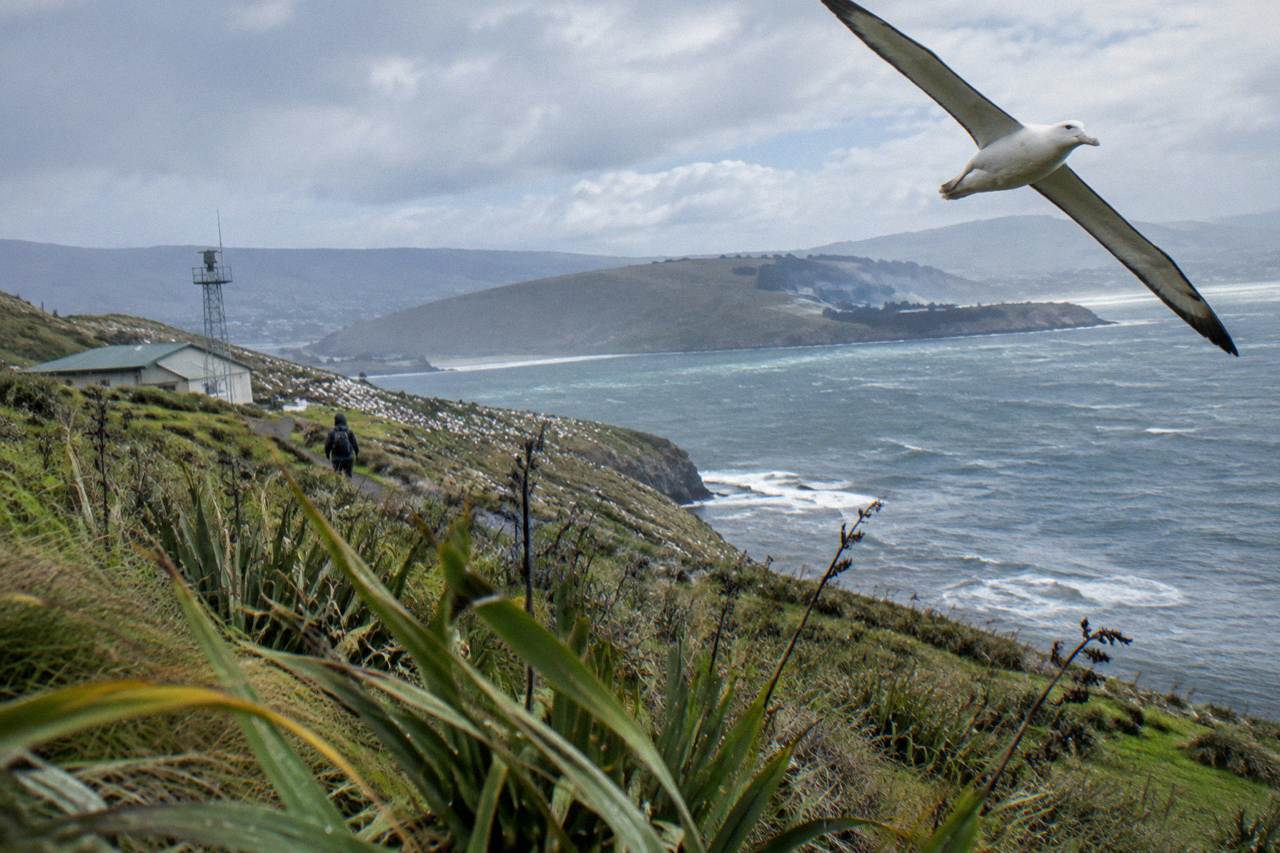
The Department of Conservation calls albatross viewing at Taiaroa Head an almost year round event. Adults return in September, eggs are laid in the first three weeks of November, chicks hatch late January to early February, and first flights happen around September. Any date can work; what changes is what you see.
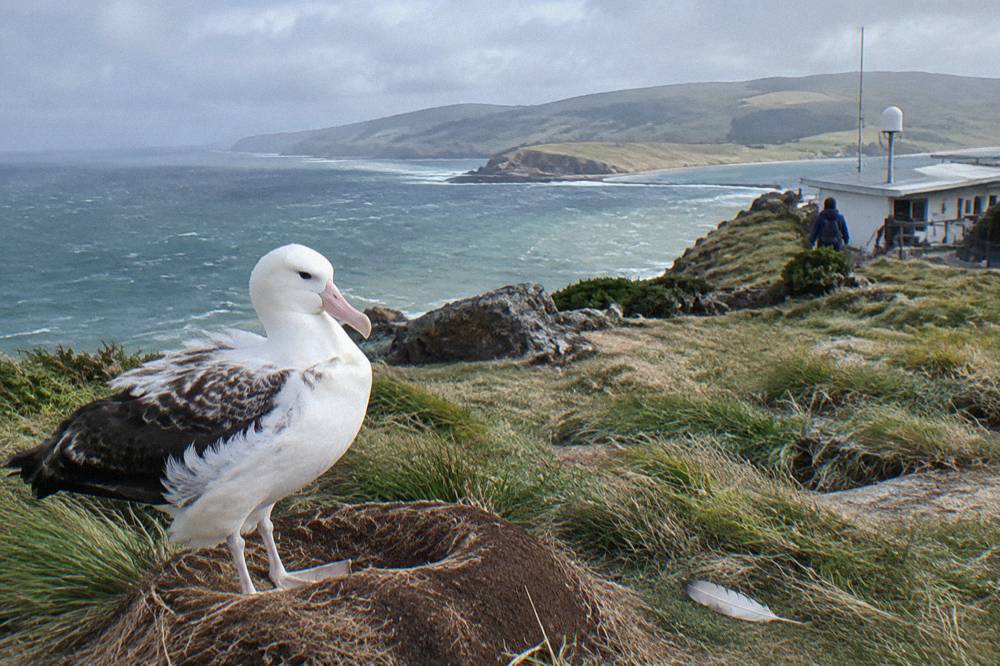
Albatross do not keep a tourist season. At Taiaroa Head, on the tip of the Otago Peninsula near Dunedin, northern royal albatross run a breeding cycle that stretches across roughly 11 months, from the return of adults in September to the first flights of chicks almost a year later. The colony is the only mainland breeding colony of albatross in the Southern Hemisphere, and the Royal Albatross Centre's guided tours from the Richdale Observatory are the only way to see the nesting birds, as DOC explains on its Taiaroa Head page. That single fact shapes every answer about timing on this page.
What this means in practice is simple. A reader asking when to visit is really picking a date for a guided tour, and the honest answer is that there is no best month and no quiet season to chase. The Department of Conservation describes viewing here as "almost a year round event" precisely because the cycle never pauses: while one pair incubates, another feeds a chick, and another's youngster waits on the headland for the wind that will carry it out to sea. What changes through the year is the stage you watch from the observatory, not whether there is anything to watch.
The tours covered here handle the Centre in different ways. Only a small number include the guided tour of the Royal Albatross Centre itself; several cruises simply pass Taiaroa Head on the water. This guide lays out the breeding cycle month by month, the fledging record season by season, and how those fit the tours you can book, so your date and your tour match the albatross you want to see. If you're still curious about the colony itself, the guide to Dunedin's mainland albatross colony at Taiaroa Head explains what makes the site so unusual.
Is There A Best Month To See Albatross At Taiaroa Head?
No month stands above the rest: DOC describes viewing at Taiaroa Head as an almost year round event, because the roughly 11-month breeding cycle keeps birds at the colony in every season. Adults return in September, eggs arrive in the first three weeks of November, chicks hatch late January to early February, and first flights follow around September. The useful question is which stage you want to watch, not which month to chase.
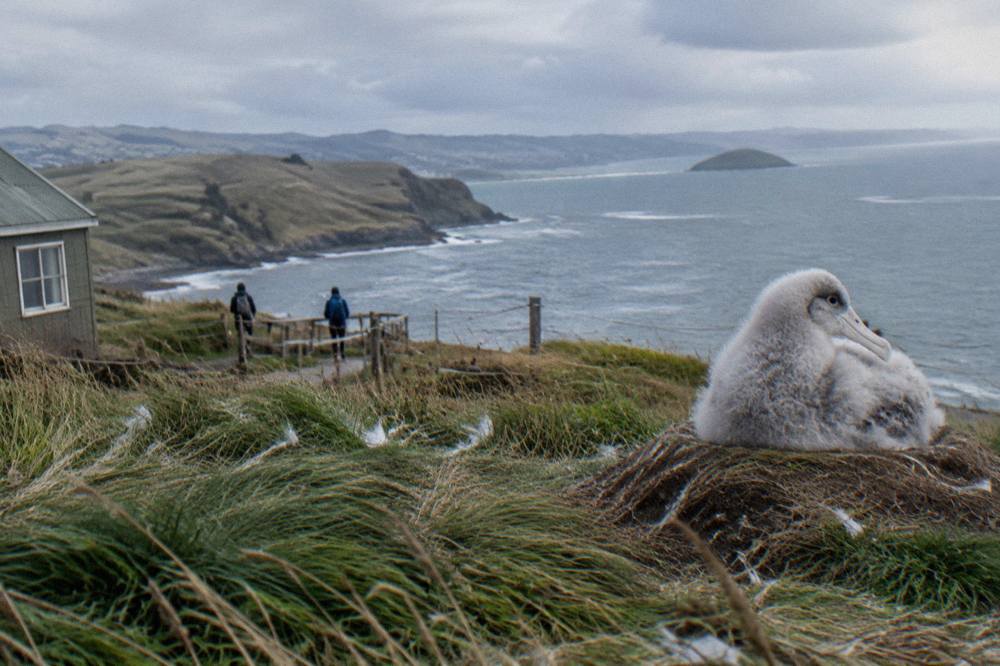
The cycle works this way at the colony, as the Centre describes it. Birds return to the headland in September and begin nest-building in October. A single egg is laid in the first three weeks of November, and incubation runs about 80 days, which DOC puts at roughly 79 days. Chicks hatch late January to early February, and a chick then takes about eight months to fledge, with first flight in September. Because each pair raises a chick only once every two years, the colony holds birds at staggered stages at any moment, which is exactly why viewing stretches across the year.
Numbers give a sense of the colony's scale. DOC says about 200 toroa live there, with about half making landfall each year, while the Centre says approximately 250 albatross with an estimated 70 breeding pairs, about 1% of the world population; the two figures sit together as about 200 to 250 northern royal albatross. DOC also puts around 10,000 seabirds on the headland overall, a figure that includes shags and other species. The world population is about 17,000 mature individuals, and 99% of the species breeds on the Chatham Islands, which is what makes this small mainland colony so unusual.
The current season has already begun in the way DOC tracks it. The first egg of the 2026-27 season was laid on 2 November 2026 by adult female "L", who had returned to the colony on 13 October, and four more eggs followed within days. Rangers check fertility 10 to 12 days after laying. None of this is a promise of what any visitor will see on a given day; it is the calendar the colony keeps, and it is the reason any date on a booking calendar has something happening at Taiaroa Head.
What Is Happening At The Colony In Each Part Of The Year?
Each stretch of the year has its own headline at Taiaroa Head: courtship and nest-building in spring, eggs and long incubation shifts through early summer, hatching and small chicks in late summer, growing chicks through autumn and winter, and fledging flights around the following September. The Centre describes the stages in these terms, and no stage is empty of birds. The table below matches each stage to what a visitor at the observatory may be watching.
The stages overlap, which is the point worth holding onto. In November, while some birds are still settling onto fresh eggs, others are already paired for the following cycle, and non-breeding juveniles circle the headland between their long ocean years. By late January the first chicks of the season hatch, grey and small, and by winter those same chicks sit alone on the nest while both parents forage far offshore. Around September the grown chicks exercise their wings and leave, just as the returning adults begin the whole pattern again.
| Stage of the cycle | Months, as the Centre states them | What may be happening at the colony |
|---|---|---|
| Adults return | September | Birds arrive back at the headland and re-establish pair bonds |
| Nest-building | October | Pairs rebuild nests and court at the colony |
| Egg laying | First three weeks of November | A single egg per pair; incubation of about 80 days begins |
| Chicks hatch | Late January to early February | Eggs pip and hatch; small chicks sit under a brooding parent |
| Chick rearing | Autumn and winter | Chicks grow on the nest while parents forage at sea |
| Fledging | Around September, after about eight months | Grown chicks exercise wings and take first flight |
Two habits of the birds matter for planning. Pairs raise a chick once every two years, so roughly half the breeding adults sit out any given season, and those birds still return to the headland to socialise and court. And the birds are not confined to the observatory view: DOC notes that on windy days albatross can be seen gliding over the headland even from the visitor centre area, though that depends entirely on the weather and the birds.
Viewing rules apply year round, whatever the stage. The nature reserve itself cannot be entered, and a visit to the observatory on a guided Centre tour is required to see the nesting and courtship activity, as DOC states. Visitors stay on the tour path, and the colony's management by Te Poari a Pukekura, a joint trust of Te Runanga o Otakou members, the Korako Karetai Trust, Dunedin City Council and DOC, keeps the breeding area closed to the public.
Which Tours From Dunedin Include The Royal Albatross Centre Guided Tour?
Only a few tours covered here include the guided tour of the Royal Albatross Centre: the City Highlights Plus Albatross tour, the Albatross Centre Tour With Pickup, and the Iconic Full-Day Wildlife Tour. Other trips pass Taiaroa Head by land or water without the observatory visit, and three state outright that the Centre tour is not included. Check the inclusions on the specific tour before assuming the observatory is part of your day. To see what access to the headland actually costs, the guide to Royal Albatross Centre ticket prices lays out the options.
The City Highlights Plus Albatross tour is the featured pick on this page for good reason: it runs 6 hours from Dunedin, is rated 4.8 across 55 reviews, from $190.08 per person, and lists the Royal Albatross Centre guided tour as included, alongside the city and peninsula scenery. Full refund applies when cancelled at least 24 hours before the start. For a reader whose whole question is when to go, a tour that fixes the observatory into the itinerary removes the guesswork from the day.
The Albatross Centre Tour With Pickup, from $178.00 per person and rated 4.7 across 39 reviews, includes a 1-hour guided tour of the Centre plus pick-up and drop-off from central Dunedin when organised at booking. The Iconic Full-Day Wildlife Tour, from $224.13 per person, 7 hours, rated 4.8 across 37 reviews, includes both the Centre guided tour and entry to The OPERA reserve, with cruise port pickup; note its booking terms state it is non-refundable, so check the cancellation terms before booking. For a closer look at what those ratings really measure, the guide to Royal Albatross Centre reviews compares the strongest-rated tours and the details worth checking before you book.
On the other side, three tours state plainly that the Centre guided tour is not included: Albatross Centre Free Time, Penguins names it as not included, the Small Group Larnach Garden Entry tour lists the Albatross guided tour as an extra you would arrange yourself, and the Private Tour, Up to 4 People lists it as an optional extra to book in advance. Many harbour cruises, including the Monarch sailings, pass the headland and its fur seal colony on the water without any Centre visit at all; the itinerary wording on each tour says what it says, and nothing more should be inferred.
The three tours above span the formats worth weighing for a date-driven trip: a full tour with the Centre included, a peninsula and cruise combination, and a shorter small-group shore excursion. Each states a full refund when cancelled at least 24 hours before the start, which matters when your plans hinge on a specific week of the breeding cycle.
Deciding between formats is easier once the date question is settled. A reader going mainly for the nesting view wants a Centre tour included; a reader happy to see the headland from the water, with seals on the rocks and albatross possibly gliding overhead on a windy day, has more and cheaper options among the cruises, several of which are covered in the guide to Dunedin wildlife cruise options.
How Many Chicks Fledge Each Season At Taiaroa Head?
Fledging counts at Taiaroa Head have ranged from 13 chicks in 2017-18 to a record-equal 38 in each of the last two completed seasons, 2024-25 and 2025-26, according to the Royal Albatross Centre and DOC. The long-run pattern has drifted upward over the past decade, from seasons in the low-to-mid twenties to the low thirties recently, though any single season can dip.
The Centre publishes the count of chicks fledged per season, and the record is a useful reality check on the colony's scale: this is a small, intensively managed population, not a mass spectacle. Each number in the table below represents a chick that hatched, survived roughly eight months on the nest, and flew out over the Pacific. DOC confirms the 2025-26 season ended with a record-equal 38 chicks.
| Season | Chicks fledged |
|---|---|
| 2013-14 | 26 |
| 2014-15 | 24 |
| 2015-16 | 23 |
| 2016-17 | 23 |
| 2017-18 | 13 |
| 2018-19 | 28 |
| 2019-20 | 24 |
| 2020-21 | 30 |
| 2021-22 | 25 |
| 2022-23 | 33 |
| 2023-24 | 33 |
| 2024-25 | 38 |
| 2025-26 | 38 |
What the fledging table quietly shows is that a September or October visitor may witness departures, the moment each season's total actually flies. It also shows why no operator can promise a sighting figure tied to a month: a season that fledged 13 chicks looks very different on the ground from one that fledged 38, and neither number tells you what happens on your afternoon at the observatory. The honest framing is the one DOC uses, almost a year round event, with the stage described above.
For readers planning around the numbers rather than the birds, the practical takeaway is different: the colony's steady output is what keeps tours running on nearly any date you choose. The Centre, run by the Otago Peninsula Trust since it opened in 1989, is open every day from 10:15am and closed on Christmas Day only, as its own site sets out at albatross.org.nz. Beyond that single closure, your constraint is tour departure dates, not the colony.
Does The Cruise Ship Season Change When You Can Tour?
Yes, if you are arriving by ship. The Dunedin cruise season runs 21 October 2026 to 16 April 2027, and that window is separate from the albatross cycle: it covers egg laying, incubation, hatching and the early months of chick rearing, but not the September return or the fledging flights. Cruise passengers choose from the dates their ship is in port, not from the colony's full year.
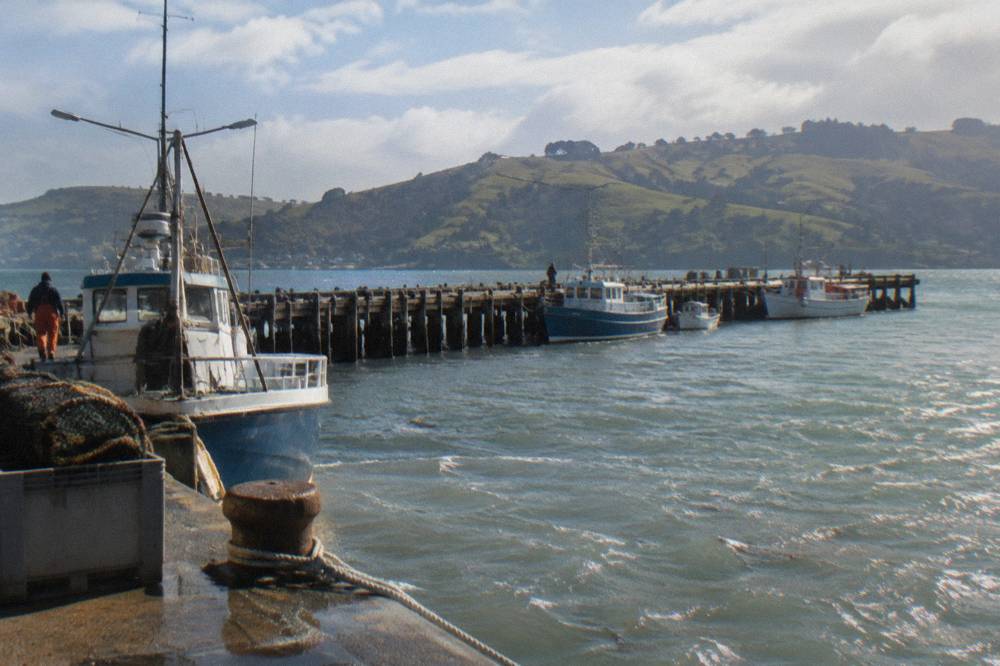
Most ships dock at Port Chalmers, 14 km from the city and 15 to 20 minutes by shuttle, while smaller ships use the Dunedin city wharf. That geography matters because start points differ tour by tour. The Iconic Full-Day Wildlife Tour begins at the Port Chalmers Cruise Terminal, meeting inside the Visitor Building on the ship's wharf. The Shore Excursion Cruise With Pickup, from $79.44 per person and rated 4.5 across 17 reviews, collects passengers from the private tours area of the Port Chalmers terminal. The Small-Group Shore Excursion run by Back to Nature Tours, from $90.22 per person and rated 4.6 across 291 reviews, lists pickup and drop-off from designated meeting points as part of its cruise shore excursion.
For ship visitors with a tight window, the choice is between the land-based tours that include or pass the Centre and the harbour cruises that view the headland from the water. A tour such as the Port To Port Albatross Cruise, from $107.81 per person, rated 4.8 across 209 reviews, departs a 5 to 10 minute flat walk from the Port Chalmers terminal building, which suits a short port call. Its sister Port To Port sailing, the Albatross Cruise at 2 hours, same from-price and rated 4.8 across 140 reviews, adds an hour on the water; the two are separate bookings with separate review counts.
The Small-Group Shore Excursion above is a middle path for port days: 3 hours 30 minutes, a professional guide, live commentary and a Worry-free Shore Excursion Guarantee, without a boat leg or a Centre tour stated in its inclusions. Its booking page states that viewing of wildlife is not guaranteed, which is the correct expectation to carry onto any vessel or vehicle here.
Season timing has one more edge for ship passengers. Because the season ends 16 April 2027, passengers never see the winter chick-rearing months or the spring courtship; their window is the egg-and-hatch half of the cycle. City-based readers face no such limit and can pick any stage, including the September departures that cruise visitors always miss.
What Should You Book Around Besides The Albatross Cycle?
Practical constraints matter more than the birds' calendar once you have a stage in mind: departure times vary by date, the Monarch wharf is a 45 to 60 minute drive from central Dunedin, self-drive options start at Pukekura or the Centre itself, and cancellation terms differ, with 24 hours notice earning a full refund on almost every tour here. Booking early for a fixed date beats chasing a perfect month.
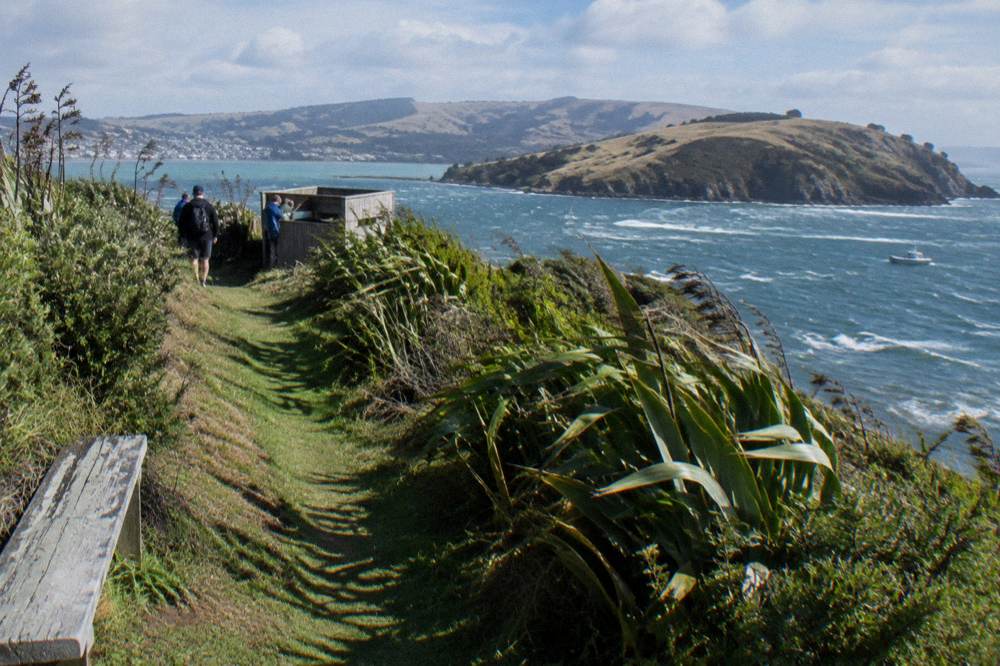
Start points shape the day more than most travellers expect. The Octagon in central Dunedin, at the i-SITE at 50 The Octagon, is the meeting point for several tours, including the Clearwater Small Group, Max 10 tour, from $133.34 per person, rated 4.9 across 709 reviews, the most reviewed tour covered on this site. The Monarch cruises leave from Wellers Rock Wharf at Otakou, with free parking at the wharf and that 45 to 60 minute drive from central Dunedin. Self-drive penguin viewing at Pukekura starts at Harington Point, and the Centre itself sits at 1259 Harington Point Road at the very end of Harington Point Road, reached via Portobello, never via State Highway 88 and Port Chalmers, which is the wrong side of the harbour with no road to the tip.
Departure times are date-specific, and the booking calendar for each tour shows the slots for your date. No timetable is fixed across the year, which is another reason "when" resolves into "which tour, which date, which slot" rather than a best month. The MetService Dunedin forecast is worth a look in the days before a boat trip, since operators run weather permitting and sea conditions change quickly on this coast.
The Wildlife Tour Plus Cruise Combo above, from $130.51 per person, rated 4.8 across 68 reviews, pairs a guided peninsula drive with the one-hour Monarch cruise, and it suits readers who want the headland from both the land side and the water on a single booking. Binoculars and warm waterproof jackets are provided on the cruise leg, which matters on a exposed headland in any season.
Pairing the albatross date with other wildlife is the last planning layer. Little penguins come ashore at dusk at Pilots Beach, on the western side of Taiaroa Head, seen throughout the year in DOC's wording, and the self-drive Pukekura evening viewing, from $34.04 per person and rated 5.0 across 578 reviews, sits barely a few minutes' drive from the Centre, making a same-day pairing of an afternoon observatory tour and an evening penguin viewing realistic. The operator says typically 50 to 300 penguins a night from September to February and 10 to 80 from March to August, figures it describes as typical, never promised. More options are laid out in where to see penguins in Dunedin by tour.
How Do You Choose Between The Albatross Tour Options For Your Date?
Match the format to the stage: the nesting view needs a tour with the Centre guided tour included, the from-the-water view needs any cruise that passes Taiaroa Head, and fixed-date travellers should favour tours with the 24-hour full refund, which covers every tour here except the non-refundable Iconic full-day tour. Price spreads from $34.04 for self-drive penguin viewing to $224.13 for the full-day albatross and reserve itinerary.
The comparison below pulls the tours most relevant to an albatross-focused day, with prices and ratings exactly as their booking pages state them. Note that two Monarch one-hour cruise pages exist with separate review pools and slightly different prices, and the same is true of a few other trips; they are the same experience sold on two pages, so compare them by name and keep the review counts separate.
| Tour | From price, per person | Duration | Rating and reviews | Centre guided tour |
|---|---|---|---|---|
| City Highlights Plus Albatross | $190.08 | 6 hours | 4.8 across 55 | Included |
| Albatross Centre Tour With Pickup | $178.00 | 6 hours | 4.7 across 39 | Included |
| Iconic Full-Day Wildlife Tour | $224.13 | 7 hours | 4.8 across 37 | Included |
| Small-Group Shore Excursion | $90.22 | 3 hours 30 minutes | 4.6 across 291 | Passes the peninsula |
| Wildlife Tour Plus Cruise Combo | $130.51 | 6 hours 30 minutes | 4.8 across 68 | Not stated in itinerary |
| Monarch One-Hour Cruise | $42.56 | 1 hour | 4.6 across 257 | Passes Taiaroa Head by sea |
The City Highlights tour above earns its place for date-driven planners because it bundles the observatory visit, the city sights and the peninsula scenery into one 6-hour booking with the standard 24-hour refund. A reader who has settled on November for the egg stage, or late January for hatching, can lock the date and trust the Centre leg is already paid for.
For readers weighing the whole field of peninsula trips, not just albatross ones, Otago Peninsula wildlife tour options compared breaks down the full set, and Dunedin wildlife tour prices lays out every from-price on one page. The median per-person from-price across the 26 tours covered on this site is $107.81, which frames most albatross-inclusive itineraries as the upper half of the market rather than outliers.
One last framing on timing. The site you are reading, Dunedin Wildlife Tours, sells only the guided trips listed on its tour pages, and every figure above comes from those pages or from the agencies that manage the colony. The Royal Albatross Centre sells its own tickets directly as well, priced in New Zealand dollars on its own site, and the interplay between those direct tickets and the tours that bundle the Centre is covered in Royal Albatross Centre tickets and tours. Whichever route you take, the cycle runs on its own clock: pick the stage, pick the tour, and let the month follow.
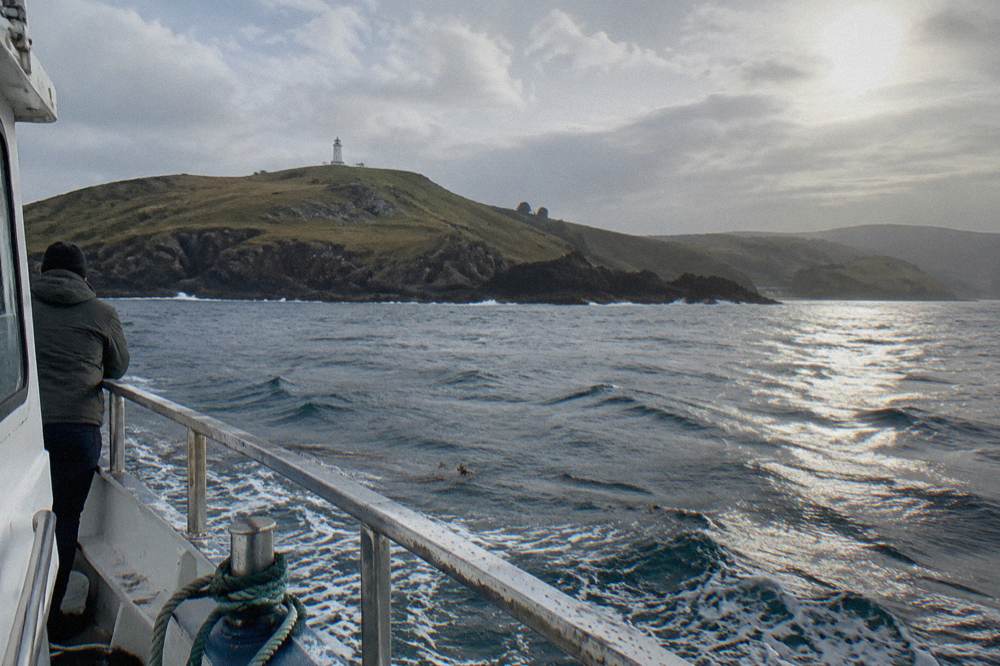
A date-driven plan comes together quickly from here. Choose the stage of the cycle you want to watch, match it to a tour that includes the Centre if the nesting view is the goal, confirm the departure slot for your date on the booking calendar, and hold the weather loosely, since the birds fly when the wind suits them and tours run weather permitting. Beyond that, Taiaroa Head supplies the spectacle on nearly any date you pick.
Common Questions About The Best Time To Visit The Royal Albatross Centre
Is There A Best Month To See Albatross At Taiaroa Head?
No. DOC describes viewing as an almost year round event because the breeding cycle runs about 11 months from the September return to first flights. What changes by date is the stage you watch, from courtship to eggs to chicks, not whether birds are present.
When Are Albatross Eggs Laid At The Colony?
The Centre says a single egg is laid in the first three weeks of November, with incubation of about 80 days. The first egg of the 2026-27 season was laid on 2 November 2026, with four more following within days.
When Do Albatross Chicks Hatch And Fledge At Taiaroa Head?
Chicks hatch late January to early February and take about eight months to fledge, with first flights around September. Each pair raises a chick once every two years, so stages overlap across the colony.
Which Dunedin Tours Include The Royal Albatross Centre Guided Tour?
Three tours covered here include it: City Highlights Plus Albatross, Albatross Centre Tour With Pickup, and the Iconic Full-Day Wildlife Tour. Several others pass Taiaroa Head by land or sea without the observatory visit, and three state the Centre tour is not included.
Can Cruise Passengers Visit The Centre Outside The Cruise Season?
Ships call at Dunedin between 21 October 2026 and 16 April 2027 only, so cruise visitors see the egg, incubation, hatching and early chick stages, not the September return or fledging flights. City-based travellers can book any stage of the cycle.
How Many Albatross Chicks Fledge Each Season?
Counts range from 13 in 2017-18 to a record-equal 38 in both 2024-25 and 2025-26, per the Centre and DOC. Recent seasons have mostly fledged in the low thirties, though any season can dip.