Albatross Tours In Dunedin: Centre Visits And Harbour Cruises Compared
Albatross tours from Dunedin come in two kinds: a guided visit to the Royal Albatross Centre at Taiaroa Head, where the nesting colony is viewed from the Richdale Observatory, or a harbour cruise that passes the headland from the water. Here is how the options compare on price, duration, start point and what each can show you.
Short answer
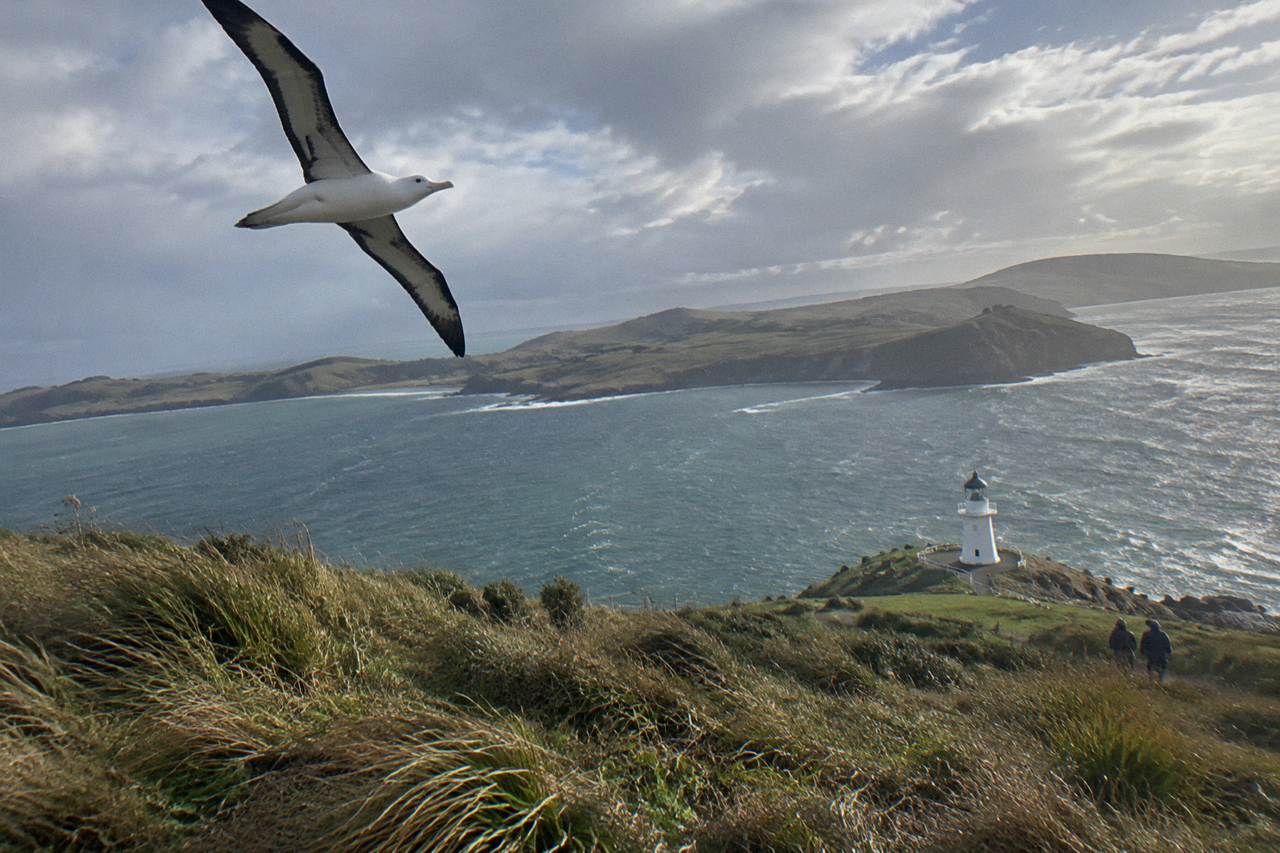
The only mainland albatross colony in the Southern Hemisphere sits at Taiaroa Head on the Otago Peninsula, with about 200 to 250 northern royal albatross. Land tours with the Centre guided tour included run from $178.00 per person; cruises that pass the headland start at $39.00 per person for a one-hour trip.
Albatross tours in Dunedin split cleanly into two experiences, and the choice matters more than most visitors expect. A land tour takes you to the Royal Albatross Centre at Taiaroa Head, the only mainland breeding colony of albatross in the Southern Hemisphere, where nesting birds are viewed from the glassed Richdale Observatory. A sea tour puts you on the water below the headland, where albatross can be seen gliding past the boat along with fur seals, shags and other seabirds. Neither one promises a sighting, because the birds are wild, but each offers a genuinely different angle on the same remarkable colony.
This guide compares the two approaches using the actual tour details: prices, durations, start points, group sizes and review counts, all drawn from the current tour information. It also explains what the colony is, how the breeding cycle works, and why there is no single best month to visit. If the aim is choosing a tour rather than reading about seabirds, the comparison sections are the ones to linger on.
What Is The Albatross Colony At Taiaroa Head?
Taiaroa Head, at the tip of the Otago Peninsula, hosts the only mainland breeding colony of albatross in the Southern Hemisphere, managed by Te Poari a Pukekura, a joint trust of local runanga interests, the Korako Karetai Trust, Dunedin City Council and the Department of Conservation. DOC says about 200 toroa, the northern royal albatross, live there, with roughly half making landfall each year, while the Royal Albatross Centre describes approximately 250 albatross and an estimated 70 breeding pairs, which it says is 1 percent of the world population. The rest, about 99 percent, breed on the Chatham Islands. DOC puts the world population at about 17,000 mature individuals, and the species is classified by the Centre as Threatened, Nationally Vulnerable. The headland itself supports around 10,000 seabirds in total, according to DOC.
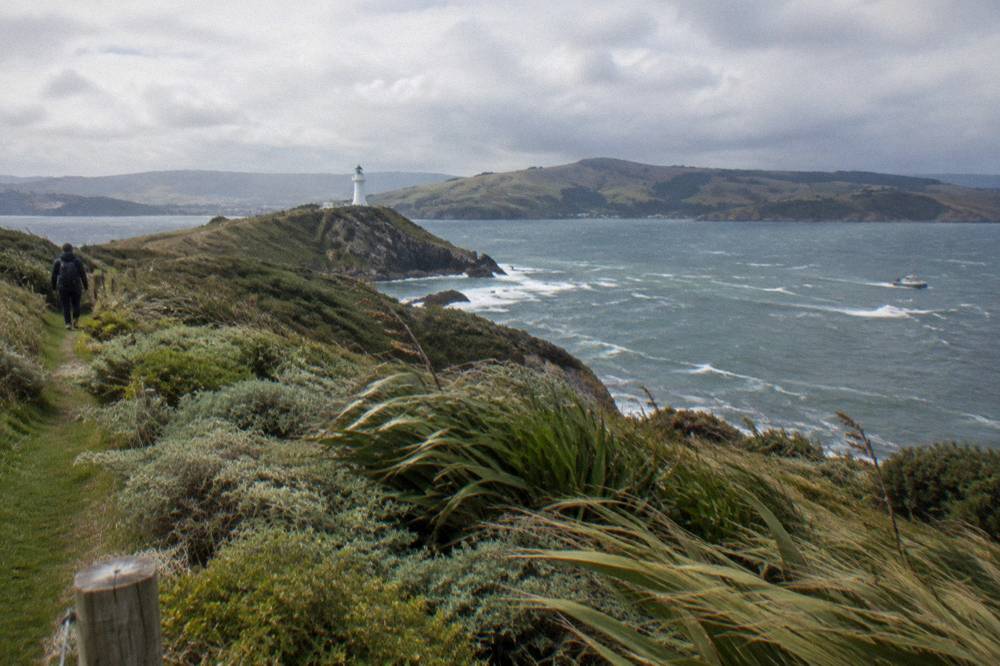
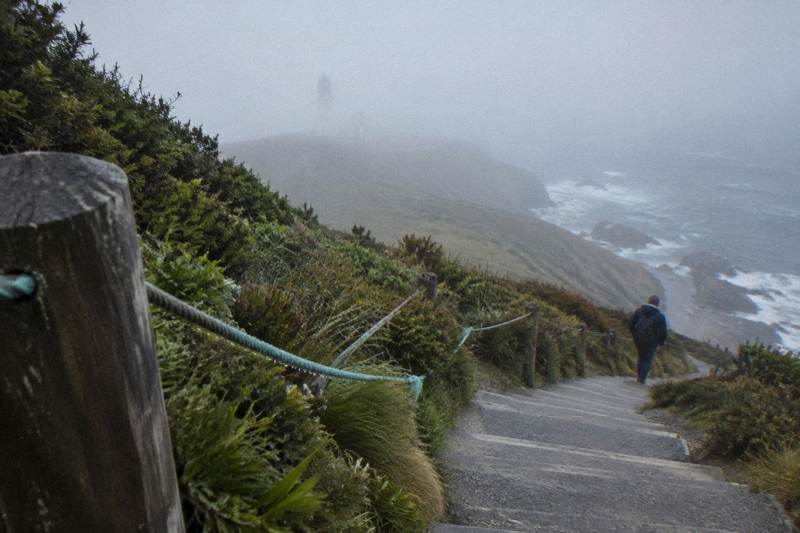
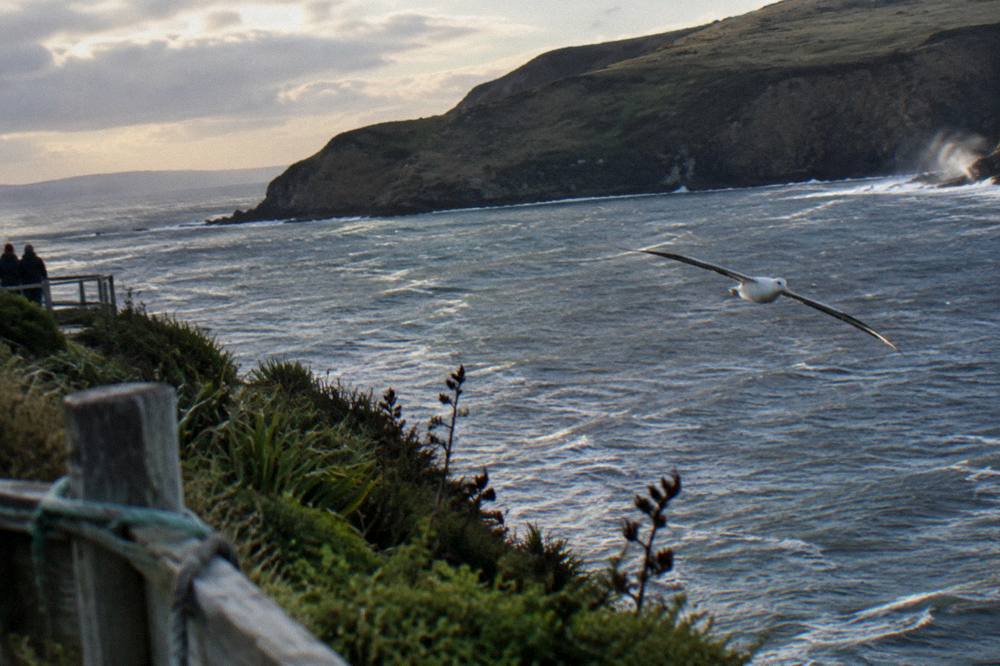
The reserve cannot be entered. Nesting and courtship are seen from the Richdale Observatory, and DOC is direct about it: "a visit to the observatory is required to see the nesting and courtship activity." Albatross tours through the Centre are the only way to see the nesting birds, which is the single strongest argument for the land option. From the water, a cruise passes the lighthouse and the fur seal colony at the base of the headland, and albatross can be seen overhead, but the nesting site itself stays out of view. More detail on the visitor experience is in the guide to the Royal Albatross Centre guided tour.
The breeding cycle explains why there is always something to see. Birds return in September, build nests in October, and lay a single egg in the first three weeks of November. Incubation runs about 80 days, chicks hatch late January to early February, and a chick takes about eight months to fledge, with first flight in September. Pairs raise a chick once every two years. DOC describes albatross viewing at the headland as "almost a year round event" because of that 11-month cycle, and there is no best month, only different stages: incubation in spring, downy chicks through summer and autumn, gangly pre-fledglings in winter.
The 2026-27 season is already under way. DOC reports the first egg was laid on 2 November 2026 by adult female "L", who returned to the colony on 13 October, with four more eggs following within days. Rangers check fertility 10 to 12 days after laying. The Centre's chick record is publicly tracked season by season: 33 chicks fledged in 2022-23 and again in 2023-24, 38 in 2024-25, and DOC says the 2025-26 season ended with a record-equal 38. Those figures come from the Centre's own season counts, and they show a colony that has been steadily productive across the past decade. Background on the species is well covered by the northern royal albatross entry, and DOC's own page on Taiaroa Head and the Pukekura reserve sets out the viewing rules.
Land Or Sea: Which Kind Of Albatross Tour Suits You?
A land tour gets you inside the observatory above the nesting colony, with the Centre's guided presentation included, and costs from $178.00 per person for six hours; a cruise gets you on the water beneath the headland, with albatross, seals and seabirds described by the crew, from $39.00 per person for one hour. Neither format sees the same thing. The observatory shows nesting and courtship at close range behind glass. The water shows flying birds at eye level over the sea, plus the fur seal breeding site and sea lion haul-out at the base of the headland, which the land tour does not visit. Some travellers book one of each on different days.
On the land side, three tours on this site include the Royal Albatross Centre guided tour. The City Highlights Plus Albatross tour from Fantail Tours runs six hours from $190.08 per person, rated 4.8 across 55 reviews, with a group of at most 18. The Albatross Centre Tour With Pickup runs six hours from $178.00 per person, rated 4.7 across 39 reviews, with pick-up and drop-off from central Dunedin included when organised at the time of booking. The Iconic Full-Day Wildlife Tour runs seven hours from $224.13 per person, rated 4.8 across 37 reviews, and includes both the Centre guided tour and entry to The OPERA, the penguin reserve at 45 Pakihau Road on the Otago Peninsula, with cruise port pick-up from Port Chalmers. That last one is the only tour here stated as non-refundable, so check the cancellation terms before booking.
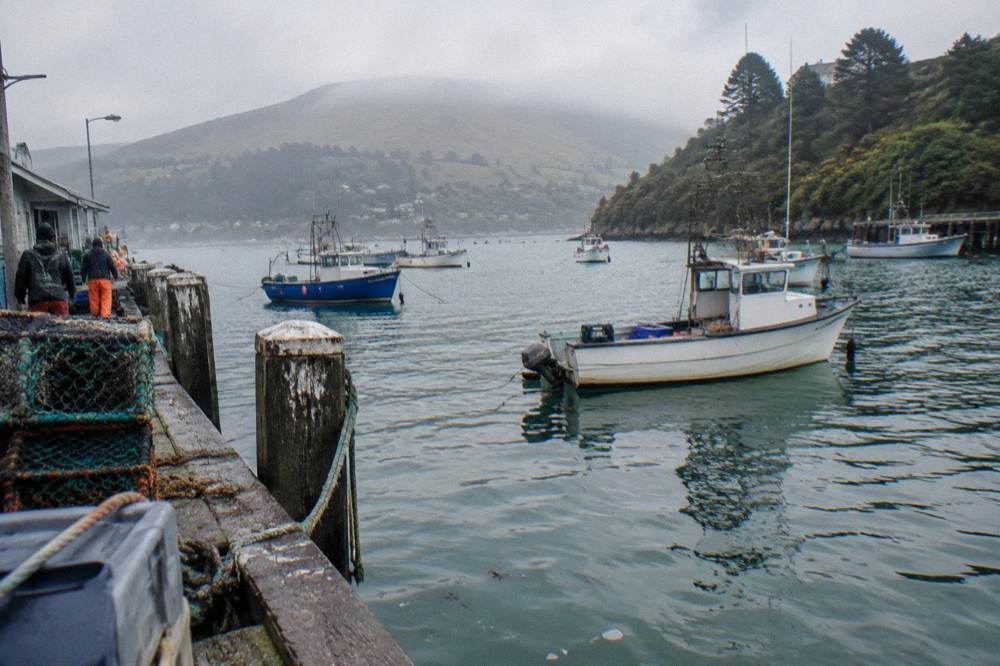
On the sea side, the Port To Port operator runs two cruises with albatross in the title, both from $107.81 per person and both capped at 14 passengers: a 90-minute version rated 4.8 across 209 reviews and a two-hour version rated 4.8 across 140 reviews. The shorter trip includes live commentary from experienced guides, high quality binoculars for adults and a wildlife identification sheet. Monarch Wildlife Cruises runs a one-hour cruise from Wellers Rock Wharf from $42.56 per person, rated 4.6 across 257 reviews, with jackets, binoculars and onboard Wi-Fi provided. A second booking page for the same one-hour cruise, with geology commentary in its description, shows 78 reviews in a separate review pool and a from-price of $39.00. The two pages are the same trip, so open whichever one and compare, keeping in mind the review counts do not combine.
A third path combines both formats in one day. The Wildlife Tour Plus Cruise Combo from Monarch runs six and a half hours from $130.51 per person, rated 4.8 across 68 reviews, pairing a guided peninsula tour by vehicle with a one-hour Monarch wildlife cruise, with a group of at most 20 and an OPERA visit included. It does not include the Centre guided tour, so it is a sea-plus-penguin-reserve day rather than a nesting-colony day. The comparison below pulls the numbers together.
| Tour | Type | From price | Duration | Rating | Reviews | Group max |
|---|---|---|---|---|---|---|
| City Highlights Plus Albatross | Land, Centre tour included | $190.08 | 6 hours | 4.8 | 55 | 18 |
| Albatross Centre Tour With Pickup | Land, Centre tour included | $178.00 | 6 hours | 4.7 | 39 | 15 (not all stated) |
| Iconic Full-Day Wildlife Tour | Land, Centre and OPERA | $224.13 | 7 hours | 4.8 | 37 | 20 |
| Wildlife Tour Plus Cruise Combo | Vehicle plus cruise | $130.51 | 6 hours 30 minutes | 4.8 | 68 | 20 |
| Port To Port Albatross Cruise | Sea, 90 minutes | $107.81 | 1 hour 30 minutes | 4.8 | 209 | 14 |
| Albatross Cruise, 2 Hours | Sea, 2 hours | $107.81 | 2 hours | 4.8 | 140 | 14 |
| Monarch One-Hour Cruise | Sea, 1 hour | $42.56 | 1 hour | 4.6 | 257 | 45 |
What Do Albatross Tours From Dunedin Cost?
Land tours that include the Royal Albatross Centre guided tour cost from $178.00 to $224.13 per person for six to seven hours; sea tours that pass the albatross colony cost from $39.00 to $107.81 per person for one to two hours; a combined vehicle-and-cruise day sits between them at from $130.51 per person. All prices are per person, all are "from" prices, and every tour on this page states a full refund when cancelled at least 24 hours before the start, except the Iconic full-day tour, which its booking terms state as non-refundable, so check the cancellation terms.
The pattern is simple: you are paying for time, transport and access. The one-hour cruises are the cheapest way onto the water near the headland. The Port To Port cruises cost more because they carry at most 14 passengers and depart close to the cruise terminal at Port Chalmers. The land tours cost most because they include the Centre's guided tour, the only access to the observatory, plus several hours of peninsula transport. The cheapest way to see the nesting colony through this site is the Albatross Centre Tour With Pickup at $178.00, and the cheapest albatross-adjacent experience of any kind is the one-hour Monarch cruise from $39.00 or $42.56 depending on the booking page.
One caution on comparing prices: some trips appear on two booking pages with separate review pools and slightly different from-prices. The Monarch one-hour cruise is the example on this page, at $42.56 on one page and $39.00 on the other. Never add or average the two; open both and book whichever suits. The same applies to the Port To Port operator's two cruises, which are genuinely different durations at the same from-price, not duplicate pages.
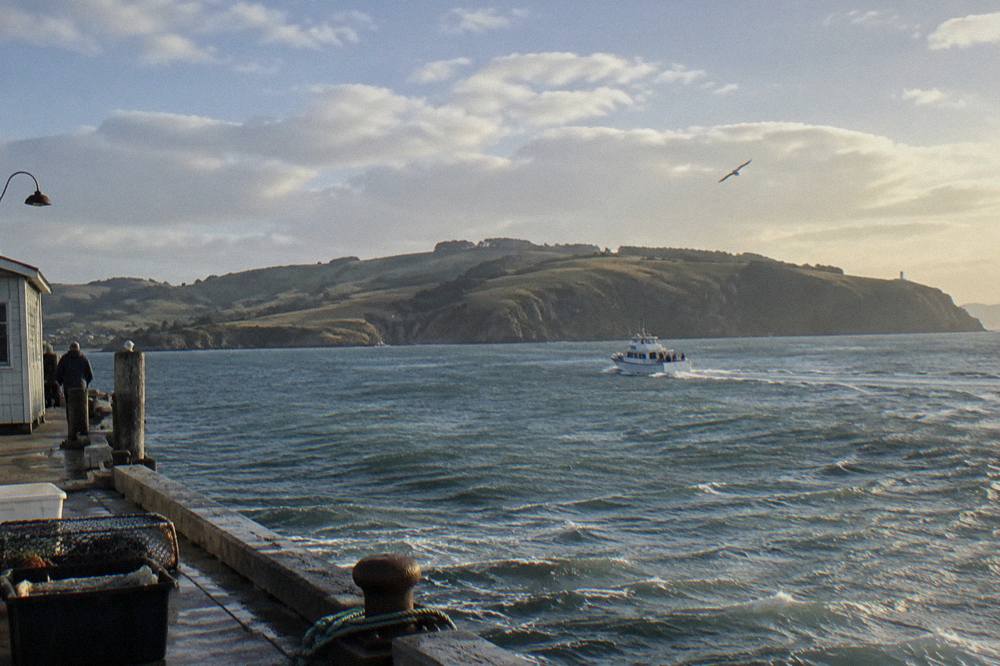
Budget matters less than fit, though. A 90-minute small-boat cruise and a seven-hour full-day tour are not substitutes for each other. A cruise suits a short visit, a tight budget or a day when the weather looks lively. A full-day land tour suits a traveller who wants the nesting colony, the story behind it and a chunk of the peninsula in one booked block. The Dunedin Wildlife Tours site exists precisely because that decision is easier with the numbers side by side.
What Does The Royal Albatross Centre Guided Tour Include?
The Centre guided tour is included on only three tours bookable here: the Fantail City Highlights Plus Albatross tour, the Albatross Centre Tour With Pickup and the Iconic Full-Day Wildlife Tour, and the Centre itself says albatross tours are the only way to see the nesting birds. On the Skyline small-group tour the Centre guided tour is stated as not included, and on the Private Tour, Up to 4 People it is an optional extra booked in advance. For cruises, the itinerary text only describes passing Taiaroa Head and nothing more. With inclusions varying this much between options, the guide to picking the best wildlife tour in Dunedin compares albatross visits, penguin encounters and harbour cruises side by side.
The Centre, at 1259 Harington Point Road, is open every day from 10:15am and closed on Christmas Day only. It is run by the Otago Peninsula Trust, founded in 1967; the Richdale Observatory opened in 1983 and the visitor centre in 1989. The drive out follows Portobello Road to Portobello and then Harington Point Road to the very end, and the Centre warns against routing via State Highway 88 and Port Chalmers, which is the far side of the harbour with no road to the tip. Koau, the Otago shag, is best seen from the observatory, according to DOC. On windy days albatross can be seen gliding over the headland even from the visitor centre, though that is never a promise. Full venue detail is on the Centre's own site.
The guided format matters for the viewing. The observatory is glassed, which keeps disturbance to the colony near zero and keeps visitors warm in the southerlies the peninsula is known for. What you see depends entirely on the stage of the breeding cycle described above: a bird on an egg, a downy chick, an almost-fledged juvenile or courting adults rebuilding nests. Reviewers of the land tours consistently mention the commentary, which covers the colony's history, the predator fencing and the decades of banding records. There is no wrong stage, only a different one, and DOC's "almost a year round event" phrasing is the honest summary.
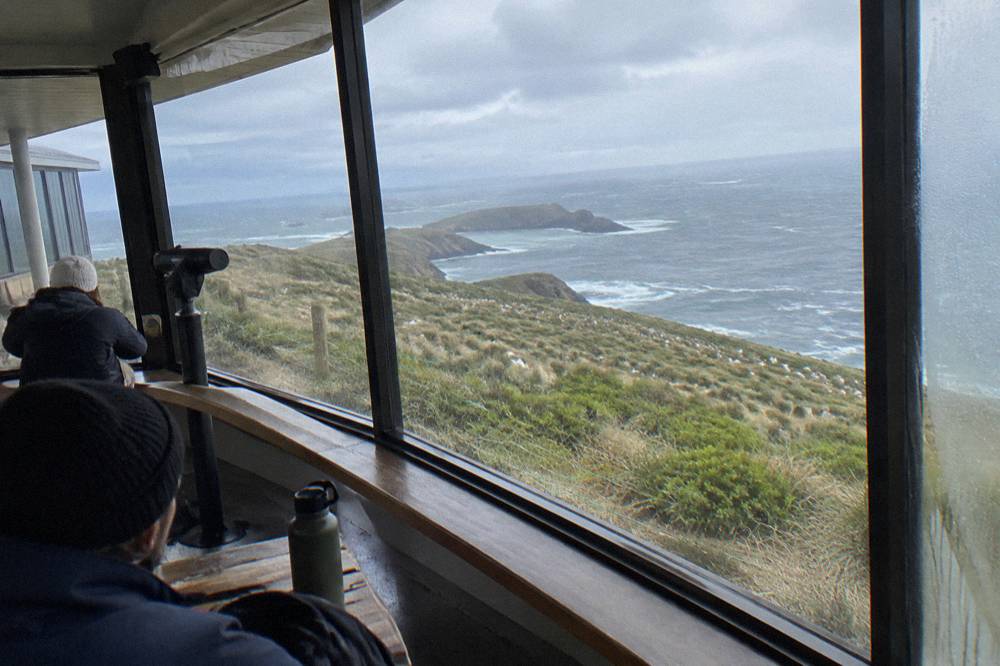
What Can You See On An Albatross Cruise From The Harbour?
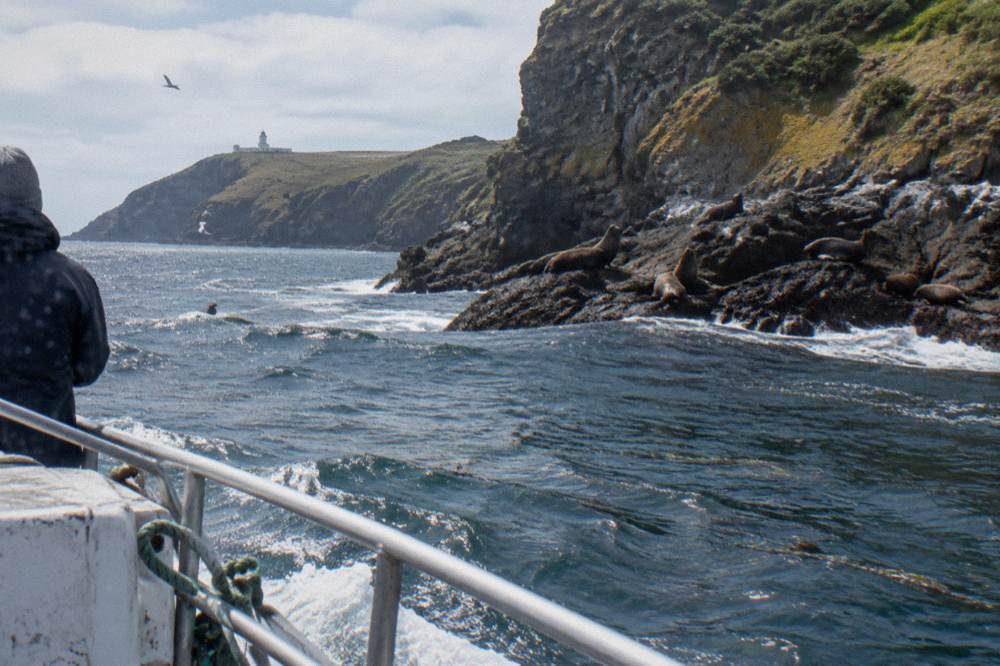
On an albatross cruise from the harbour, operators describe sightings of albatross, fur seals, sea lions, shags and other seabirds, while blue penguins and dolphins are described only as "sometimes" seen. Because the animals are wild, no operator promises a sighting. The Monarch one-hour cruise passes Aramoana and Taiaroa Head, taking in the lighthouse and the fur seal colony, and goes a short way out to sea. The Port To Port cruises carry at most 14 passengers with live commentary on board and a wildlife identification sheet. Taiaroa Head is a fur seal breeding site and sea lion haul-out, and DOC says Pilots Beach at its base is often the best place for seals. For travellers mapping out a fuller wildlife itinerary, the guide to Dunedin wildlife tours and penguin viewing compares peninsula trips, harbour cruises and castle combos side by side.
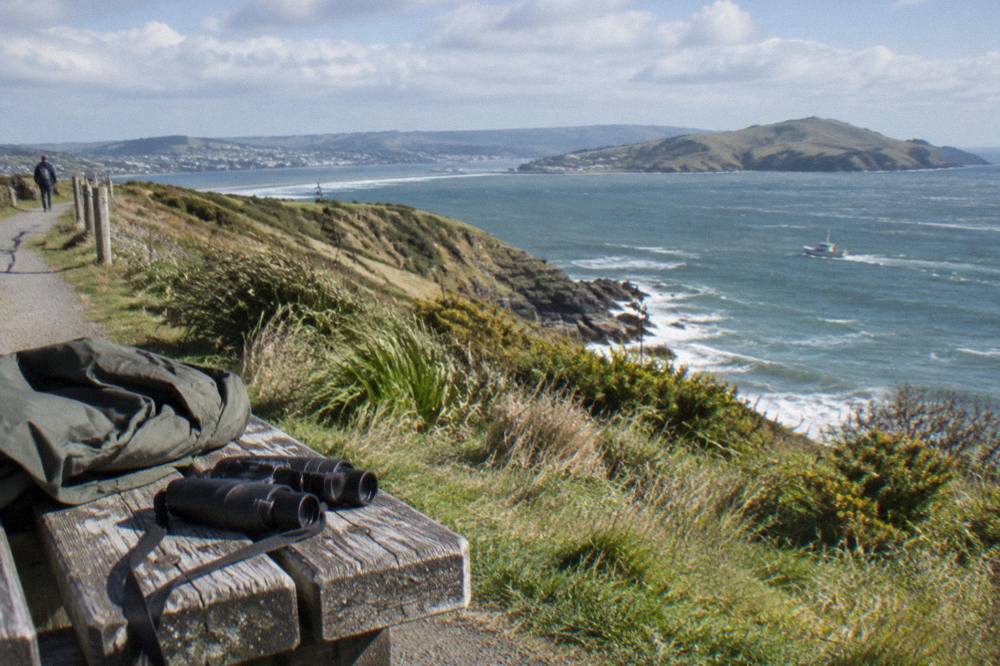
The boats keep to strict wildlife rules, which is worth knowing because it shapes what a cruise looks like. DOC requires vessels to travel no faster than idle within 300 m of marine mammals, to approach parallel and slightly to the rear, never to circle or cut through groups, and to stay at least 20 m from the water's edge at a seal colony. No more than three vessels may be within 300 m at a time, and drones must stay more than 150 m away, with a permanent drone restriction over Taiaroa Head itself. Commercial operators need permits. The upshot is a cruise that respects the animals' space, and the binoculars handed out on board earn their keep. The full rules are on DOC's marine mammal protection pages.
Two Port To Port options deserve a direct comparison. The 90-minute Albatross Cruise, rated 4.8 across 209 reviews, includes experienced guides, live commentary and adult binoculars, departing from Port Chalmers. The two-hour version, rated 4.8 across 140 reviews at the same from-price of $107.81, adds a restroom on board and wildlife information sheets, and departs a 5 to 10 minute flat walk from the Port Chalmers cruise terminal building. For cruise passengers the two-hour version is the natural fit; for a day visitor, 90 minutes on a small boat is a compact, concentrated wildlife window. A cheaper small-boat alternative is the Coastal Adventures Harbour Cruise at from $73.76 per person, rated 4.5 across 26 reviews, carrying at most 18 from Back Beach at Port Chalmers.
For cruise ship passengers docking at Port Chalmers, a shore-excursion version with terminal pick-up exists: the Shore Excursion Cruise With Pickup, two and a half hours from $79.44 per person, rated 4.5 across 17 reviews, a new option with too few reviews for a star claim, but including binoculars, jackets and a complimentary hot drink. The cruise season runs 21 October 2026 to 16 April 2027, with most ships at Port Chalmers, 14 km from the city and 15 to 20 minutes by shuttle. More on that angle is in the guide to the Port Chalmers wildlife cruise.
Where Do Albatross Tours Start From?
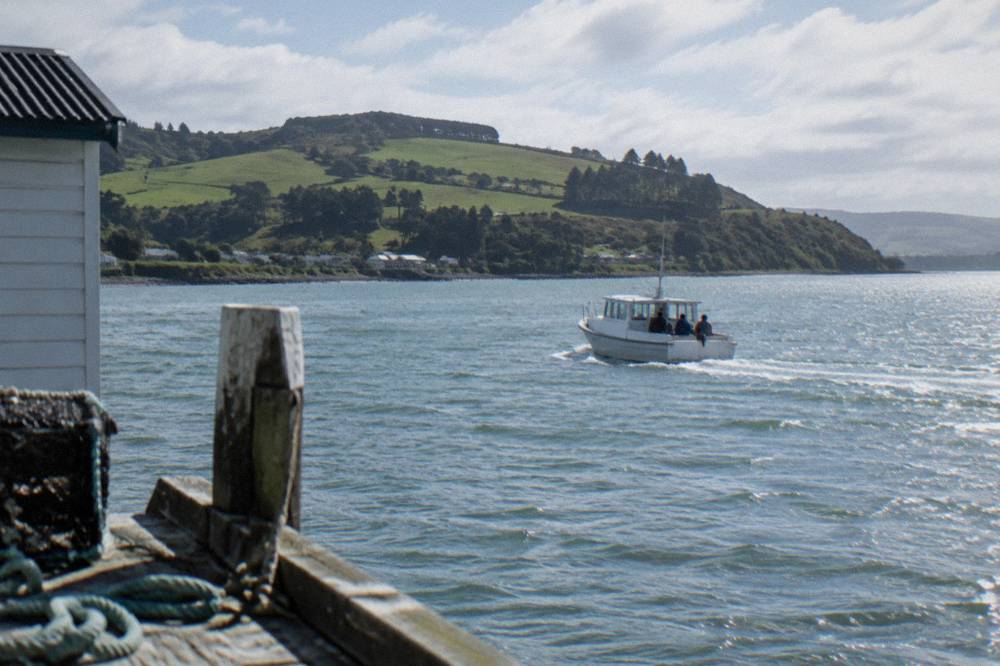
Start points split four ways: The Octagon in central Dunedin for the peninsula land tours, Port Chalmers near the cruise terminal for the Port To Port cruises, Wellers Rock Wharf at Otakou for self-drive Monarch departures, and Harington Point for self-drive visitors to the Centre itself. The one-hour Monarch cruise leaves Wellers Rock Wharf, 813 Harington Point Road, Otakou, with free parking at the wharf and 45 to 60 minutes to allow for the drive from central Dunedin. The Port To Port cruises depart from Port Chalmers. The City Highlights and OPERA Conservation tours do not state a start point on the booking page, so check there before travelling. To weigh up which departure point and trip length suit your plans, the guide to albatross cruises on Otago Harbour compares prices, sailing times and what each boat trip actually covers.
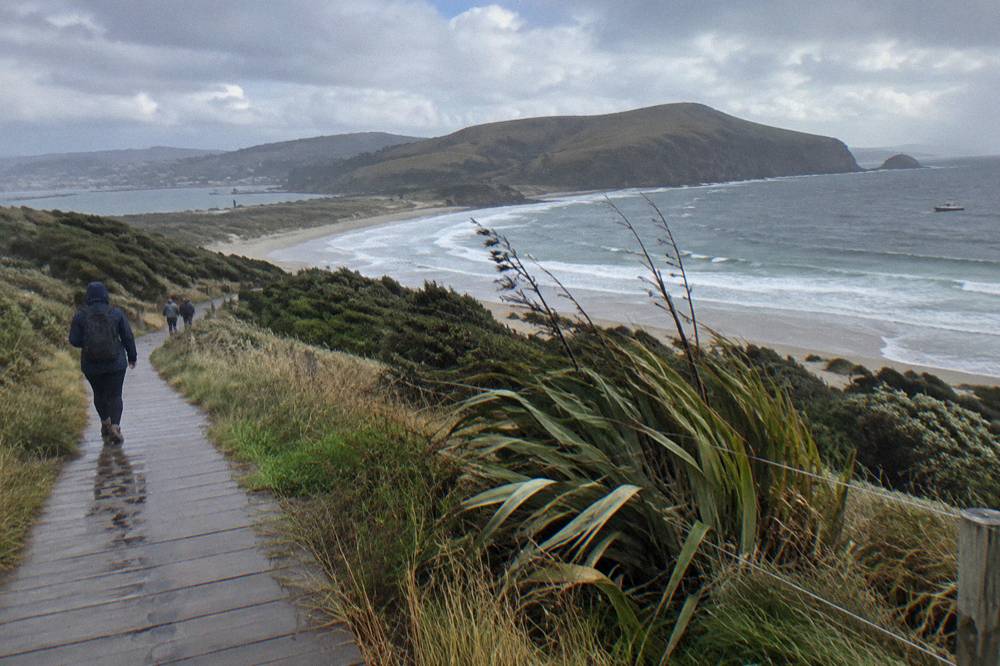
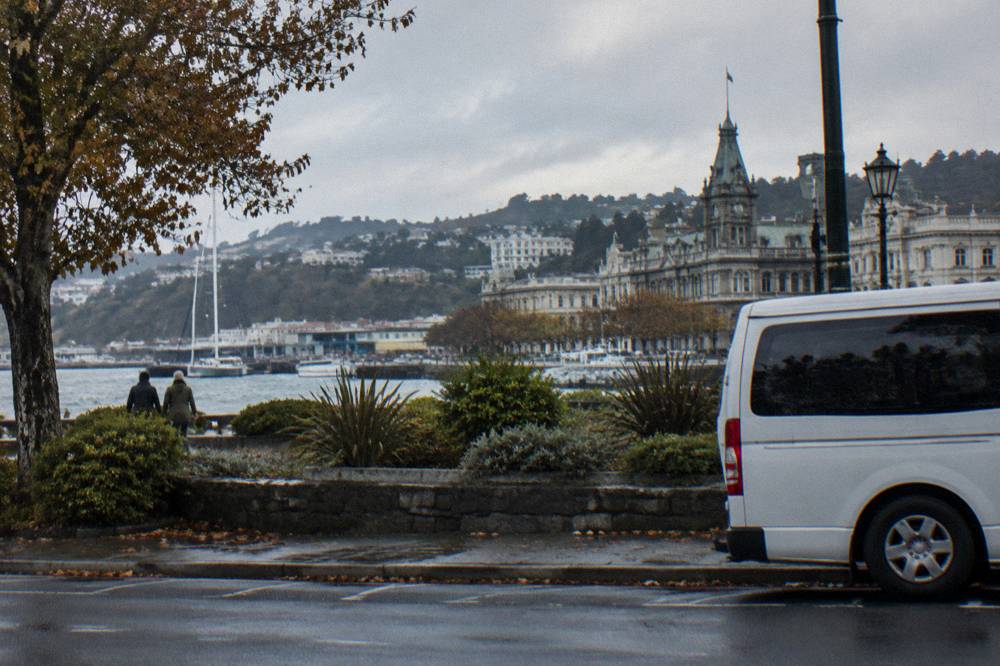
The Octagon, specifically outside the Dunedin i-SITE at 50 The Octagon, is the usual city meeting point for the peninsula tours, and it has toilets. Picking a start point that matches where you are staying saves real time on the day. A cruise passenger at Port Chalmers gains little from a tour that starts at The Octagon, and a visitor staying in central Dunedin without a car should think twice about a self-drive departure at a wharf 45 to 60 minutes away. Group sizes follow the same logic: at most 10 on the Clearwater peninsula tours, 14 on the Port To Port boats, 18 on the City Highlights tour and 45 on the Monarch one-hour cruise.
| Tour | Start point | Getting there | Notes |
|---|---|---|---|
| Monarch One-Hour Cruise | Wellers Rock Wharf, Otakou | Self-drive, free parking at the wharf | 45 to 60 minutes from central Dunedin |
| Port To Port Albatross Cruise | Port Chalmers | 5 to 10 minute flat walk from the cruise terminal | No transport from the terminal |
| Albatross Centre Tour With Pickup | Central Dunedin | Pick-up and drop-off included if organised at booking | Two meeting points depending on option |
| Iconic Full-Day Wildlife Tour | Port Chalmers Cruise Terminal | Meet inside the Visitor Building on the wharf | Port pick-up and drop-off listed |
| City Highlights Plus Albatross | Check the booking page | Group of at most 18 |
When Is The Best Time To See Albatross?
There is no single best month: DOC describes viewing at Taiaroa Head as "almost a year round event" because the breeding cycle runs about 11 months from egg to first flight, and what changes is the stage you see, not whether there are birds. Eggs are laid in the first three weeks of November and hatch late January to early February. Chicks fledge around September. Courtship and nest-building fill September and October. A visit in any month can coincide with a bird on the nest, a growing chick or newly returned juveniles, and the stage, not the season, defines the view from the observatory.
On the water, the same logic applies with more variables. Wind suits albatross, which are built for it, but no operator or agency promises good flying conditions on any given day, and weather can change cruise departures. The honest framing is to book the format you want at the time you have, check the departure calendar for your date, and treat anything on the wing as a bonus on a cruise and a near-certainty of a bird on a nest from the observatory, since the nesting bird is the one thing the tour exists to show. Deeper timing discussion is in when to see albatross on a Dunedin wildlife tour.
Two seasonal footnotes are worth planning around. The 2026-27 season began with its first egg on 2 November 2026, so incubation runs through the southern summer and hatching follows from late January. And if a land tour is paired with an evening penguin visit, the Blue Penguins Pukekura experience at 1245 Harington Point Road sits on the same road as the Centre, which makes a combined day straightforward for self-drivers.
What Are The Cancellation And Booking Rules?
Twenty-five of the 26 tours covered on this site state a full refund when cancelled at least 24 hours before the start; the Iconic Full-Day Wildlife Tour is the exception, stated as non-refundable in its booking terms, so check the cancellation terms before booking it. Nothing here offers a cancel-anytime policy, and the 24-hour line is the practical deadline to hold in mind. Departure times vary by date, and the booking calendar shows the slots for your date rather than a fixed timetable.
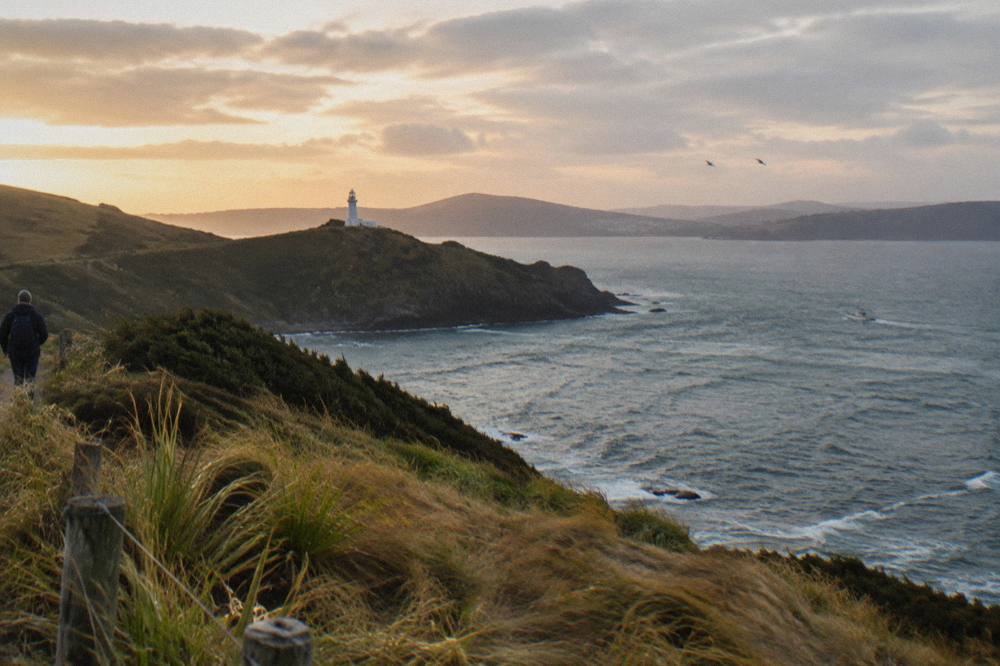
Binoculars are stated as provided on some tours and not on others, so it pays to check what each trip includes. The Port To Port cruises provide high quality binoculars for adults, the Monarch cruise provides binoculars and warm waterproof jackets, and the Wildlife Tour Plus Cruise Combo provides both on its cruise leg. Warm layers are the one thing no operator can hand you enough of on the Otago Peninsula; MetService's Dunedin forecast is the page to watch in the days before departure, and the wildlife cruise operator's own guidance is at wildlife.co.nz.
| Tour | Cancellation | Binoculars | Boat leg | Centre guided tour |
|---|---|---|---|---|
| Port To Port Albatross Cruise | Full refund 24 hours before | Provided for adults | Yes | Not included in the itinerary |
| Albatross Cruise, 2 Hours | Full refund 24 hours before | Provided | Yes | Not included in the itinerary |
| Monarch One-Hour Cruise | Full refund 24 hours before | Provided | Yes | Not included in the itinerary |
| City Highlights Plus Albatross | Full refund 24 hours before | Check the booking page | Check the booking page | Included |
| Albatross Centre Tour With Pickup | Full refund 24 hours before | Check the booking page | Check the booking page | Included |
| Iconic Full-Day Wildlife Tour | Non-refundable, check the terms | Check the booking page | Check the booking page | Included |
| Wildlife Tour Plus Cruise Combo | Full refund 24 hours before | Provided | Yes | Not included in the itinerary |
A practical booking order for most visitors: pick land or sea first, then match the start point to your accommodation or ship, then check the calendar for your date. If the nesting colony is the reason you are here, book a tour that states the Centre guided tour as included. If flying birds over open water are the appeal, book the smallest boat your budget allows, which on this page means the Port To Port cruises at 14 passengers. If both appeal and time is short, the combo tour splits the day between vehicle and water.
Choosing Between The Albatross Tour Formats
Match the format to what you want to remember: the observatory for nesting birds at close range behind glass, a small boat for albatross overhead at eye level, or a full day that stacks the Centre, the peninsula and a penguin reserve into one booking. Price differences between the formats track duration and access far more than quality, and the review counts here are strong across the board: 4.8 across 209 reviews on the 90-minute Port To Port cruise, 4.8 across 55 on the Fantail land tour, 4.8 across 37 on the Iconic full day.
Consider the traveller, not just the tour. Families with children under 5 should note the Clearwater peninsula tours set a minimum age of 5, while the Pukekura Combo sets 18. Cruise passengers with a single day ashore should favour Port Chalmers departures or tours listing port pick-up. Anyone prone to seasickness should weigh a land tour or the sheltered inner-harbour legs over a boat that goes a short way out to sea. And travellers who want the full story, from the trust that manages the headland to the banding records behind Royal Cam, the 24-hour live camera now in its tenth year with the Cornell Lab of Ornithology, will get more from a guided land visit than from commentary on the water.
Whichever way you lean, checking availability for your date is the step that turns a plan into a booking.
Common Questions About Albatross Tours In Dunedin
Can You See Albatross In Dunedin Without A Tour?
From the water below Taiaroa Head, albatross can sometimes be seen gliding on windy days even from the visitor centre area, according to DOC, but the nesting and courtship activity is only visible from the Richdale Observatory, and DOC states that a visit to the observatory is required to see it. Albatross tours through the Centre are the only way to see the nesting birds.
How Much Does An Albatross Tour From Dunedin Cost?
Land tours that include the Royal Albatross Centre guided tour cost from $178.00 to $224.13 per person for six to seven hours. Harbour cruises that pass Taiaroa Head cost from $39.00 to $107.81 per person for one to two hours. A combined vehicle-and-cruise day costs from $130.51 per person.
When Is The Best Time To See Albatross At Taiaroa Head?
There is no single best month. DOC describes viewing as "almost a year round event" because the breeding cycle runs about 11 months: eggs in November, chicks hatching late January to early February, and first flights around September. What changes through the year is the stage of the cycle you see.
Do Any Cruises Include The Royal Albatross Centre Guided Tour?
No cruise on this site includes the Centre guided tour. It is included only on the City Highlights Plus Albatross tour, the Albatross Centre Tour With Pickup and the Iconic Full-Day Wildlife Tour. Cruises pass Taiaroa Head and the fur seal colony from the water and do not enter the observatory.
Can An Albatross Tour Be Cancelled For A Refund?
Every tour on this page states a full refund when cancelled at least 24 hours before the start, except the Iconic Full-Day Wildlife Tour, which its booking terms state as non-refundable, so check the cancellation terms for that one before booking.
Which Albatross Cruise Leaves Closest To The Cruise Terminal?
The Port To Port cruises depart from Port Chalmers, a 5 to 10 minute flat walk from the cruise terminal building, carrying at most 14 passengers from $107.81 per person. Port Chalmers is 14 km from central Dunedin, 15 to 20 minutes by shuttle.