Royal Albatross Centre Guided Tour: Observatory Visit At Taiaroa Head
The Royal Albatross Centre guided tour is the only way to see the nesting northern royal albatross at Taiaroa Head, the sole mainland albatross breeding colony in the Southern Hemisphere. Here is what the tour involves, what it costs, and which Dunedin tours bundle it.
Short answer
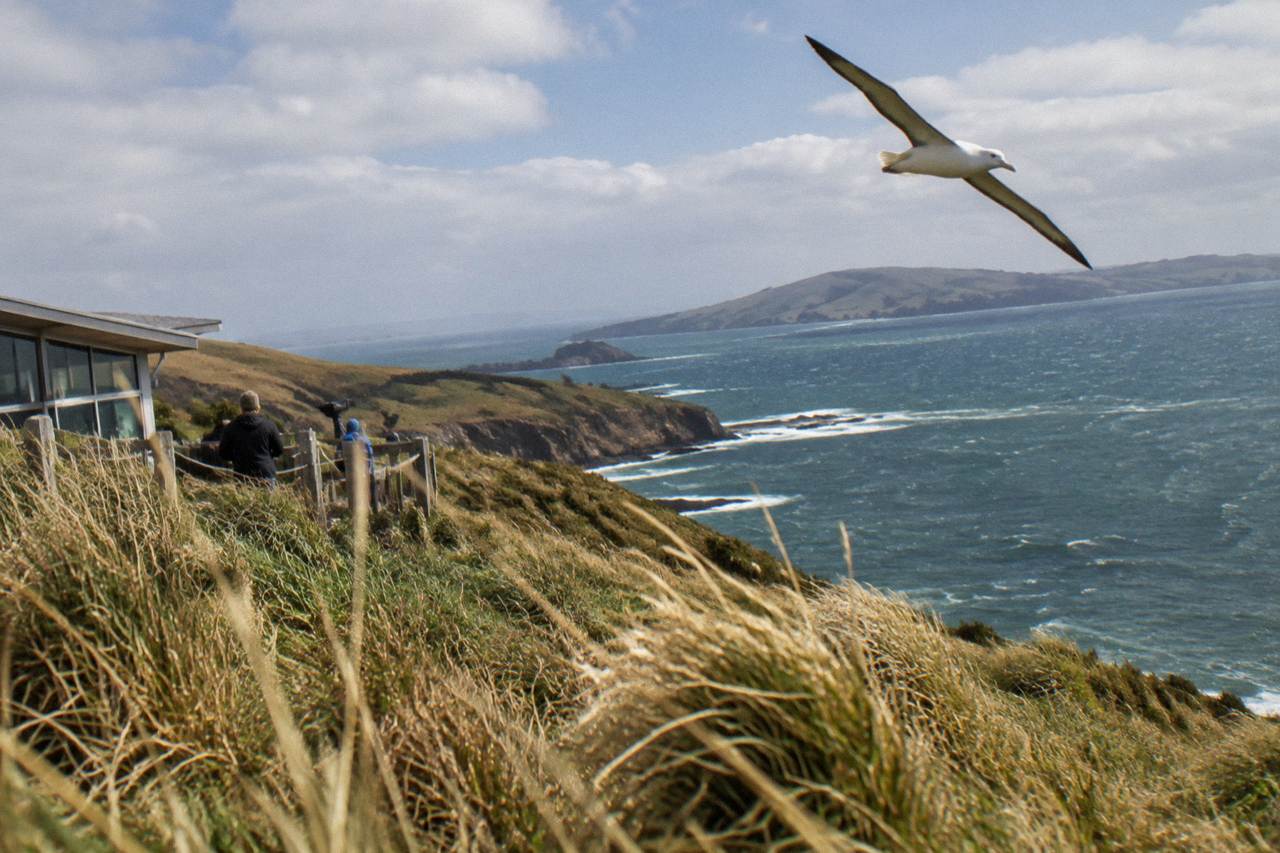
The guided tour runs about 1 hour for the Albatross Classic option, with a presentation, a short film and about 30 minutes viewing nesting birds from the glassed Richdale Observatory. Two tours covered here include it: the Fantail City, Peninsula and Albatross tour from $190.08 per person and the Iconic full-day tour from $224.13 per person.
Taiaroa Head, at the very tip of the Otago Peninsula, holds the only mainland breeding colony of albatross in the Southern Hemisphere. DOC says around 10,000 seabirds live on the headland, and the nature reserve itself cannot be entered: a visit to the observatory is required to see the nesting and courtship activity. That single sentence explains the whole product. The Royal Albatross Centre guided tour is not an add-on to a viewpoint, it is the only legal way to watch these birds breed. For anyone weighing a visit, the guide to albatross colony tour costs at Taiaroa Head covers everything from the centre's own ticket prices to the Dunedin day tours that bundle in the observatory visit.
This page sets out what the guided tour actually involves, what the Centre charges for its own tickets, which Dunedin tours bundle the guided visit, and how the land-based tour differs from the harbour cruises that pass the headland below. Prices for tours on this site are per person in USD unless stated. The Centre's own tickets are priced in NZD on its own site, and those figures appear in one clearly labelled table further down.
What Is The Royal Albatross Centre Guided Tour?
The guided tour is a hosted visit to the Richdale Observatory at Taiaroa Head, run by the Royal Albatross Centre on behalf of the Otago Peninsula Trust, and it is the only way to see the nesting northern royal albatross from land. The reserve itself is closed to visitors, so the glassed observatory is the viewing point for nesting and courtship activity. Since that exclusive access comes at a price, the guide to Taiaroa Head entry costs and tour options explains what a visit costs and which Dunedin tours include the observatory.
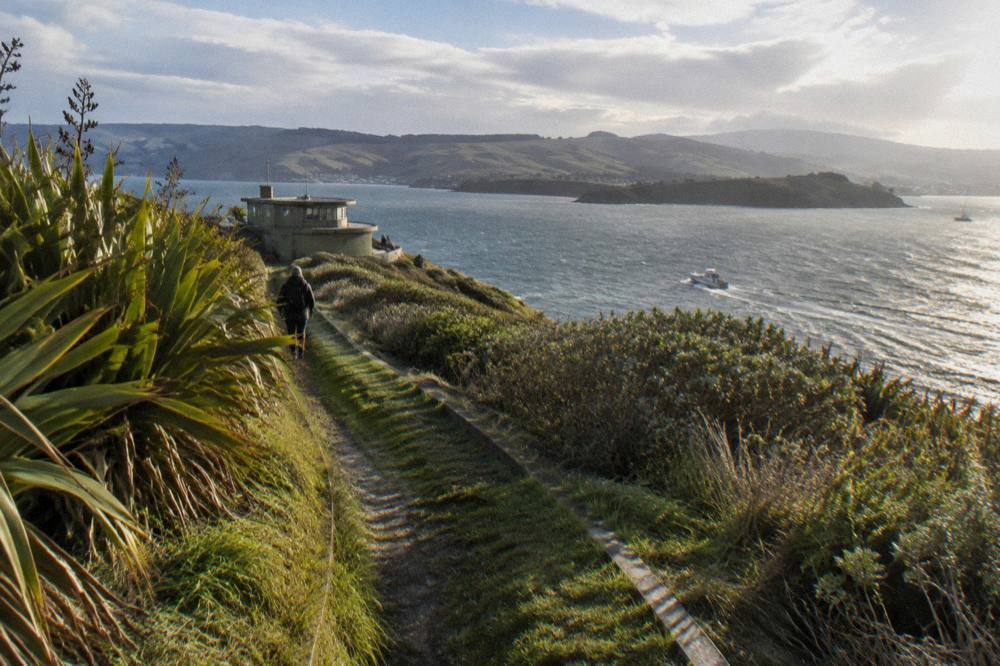
The headland story is unusual. DOC says about 200 toroa live there, with about half making landfall each year, while the Centre puts the figure at approximately 250 birds and an estimated 70 breeding pairs. Either way, that is around 1% of the world population; 99% of northern royal albatross breed on the Chatham Islands, and DOC puts the global population at about 17,000 mature individuals. The species is classified by the Centre as Threatened, Nationally Vulnerable. More on the species is at the northern royal albatross entry.
The Trust behind the Centre was founded in 1967, the Richdale Observatory opened in 1983, and the visitor centre itself opened in 1989. DOC manages the headland together with Te Poari a Pukekura, a joint trust of Te Runanga o Otakou members, the Korako Karetai Trust, Dunedin City Council and DOC. Koau, the Otago shag, is also best seen from the observatory according to DOC.
A practical detail first-time visitors miss: the Centre sits at 1259 Harington Point Road, at the very end of the road. It warns travellers not to route via State Highway 88 and Port Chalmers, which is the other side of the harbour with no road to the tip. Opening is every day from 10:15am, closed on Christmas Day only, and the details are on the Centre's own site.
What Happens On The Albatross Classic Tour?
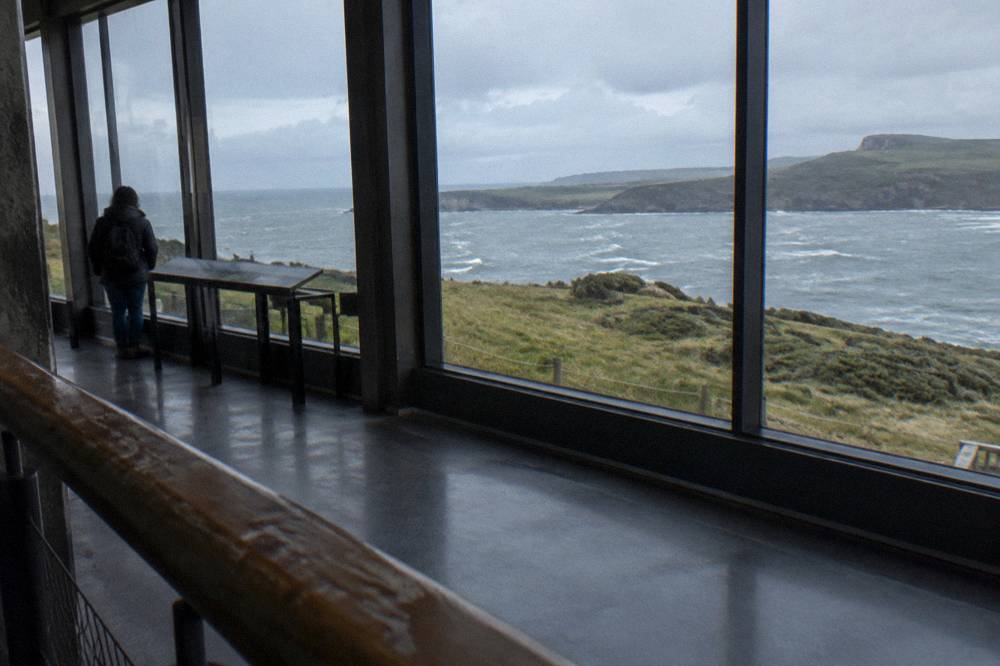
The Albatross Classic is the 1 hour flagship option: a presentation by Centre staff, a short film, then about 30 minutes viewing from the glassed observatory while a guide explains what the birds are doing at that stage of the cycle. Longer options add Fort Taiaroa, the underground gun emplacement from the 1880s. What you see changes through the year because the breeding cycle runs roughly 11 months, so two visits a few months apart can look entirely different.
The rhythm of the colony, as the Centre describes it, runs like this. Birds return in September, nest-building follows in October, and a single egg is laid in the first three weeks of November. Incubation runs about 80 days by the Centre's account, roughly 79 by DOC's. Chicks hatch late January to early February, take about eight months to fledge, and fly first in September. Pairs raise a chick once every two years, which is why the colony is spread across stages at any moment.
The 2026-27 season has already begun. DOC reports the first egg was laid on 2 November 2026 by adult female "L", who returned to the colony on 13 October, and four more eggs followed within days. Rangers check fertility 10 to 12 days after laying. This is all visible at a distance on Royal Cam, the 24-hour live camera the Centre runs with the Cornell Lab of Ornithology, now in its tenth year.
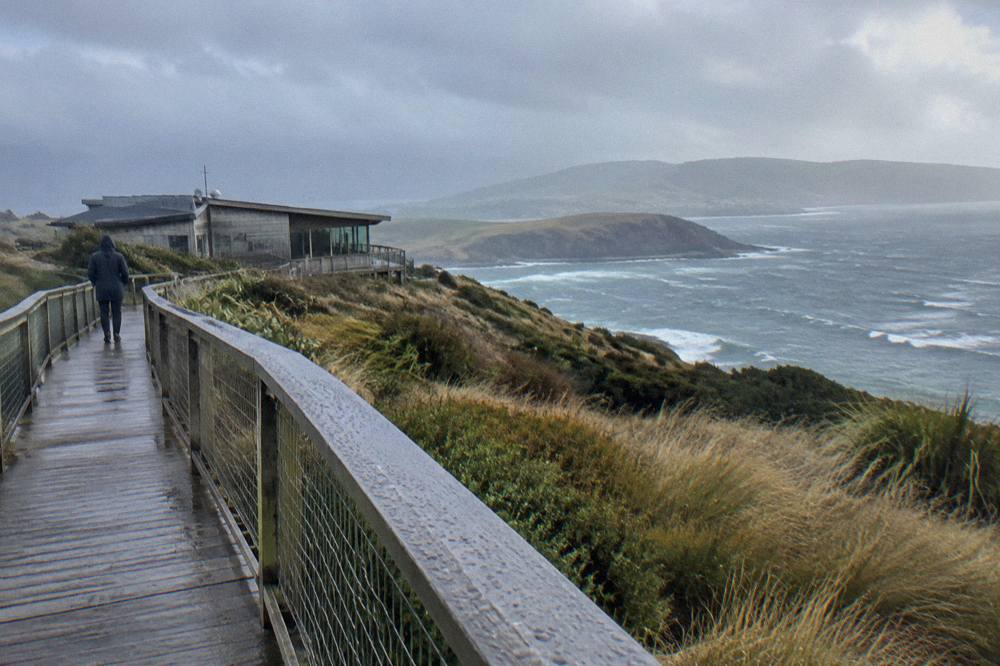
Success at the colony has trended up. The Centre's fledgling counts climbed from 13 chicks in 2017-18 to 33 in 2022-23 and again in 2023-24, then 38 in 2024-25, and DOC says the 2025-26 season ended with a record-equal 38 chicks fledged. No count exists yet for the current season beyond those first five eggs.
If you are weighing the guided tour against other ways to spend a peninsula day, this trio covers the three most common plans.
Which Dunedin Tours Include The Guided Albatross Tour?
Only three tours covered on this site state that the Royal Albatross Centre guided tour is included: the City Highlights Plus Albatross tour from $190.08 per person, 6 hours, rated 4.8 across 55 reviews, the Albatross Centre Tour With Pickup from $178.00 per person, 6 hours, rated 4.7 across 39 reviews, and the Iconic Full-Day Wildlife Tour from $224.13 per person, 7 hours, rated 4.8 across 37 reviews. No other tour here bundles the guided observatory visit, so check the inclusions line before booking anything else. For a closer look at how those tour ratings hold up in practice, the review breakdown of the Royal Albatross Centre guided tour covers what visitors consistently praise and criticize.
The City Highlights Plus Albatross tour is run by Fantail Tours Limited and pairs the peninsula drive and city sights with the Centre's guided tour. One caution on this pair: the tour appears on two booking pages with separate review pools, 55 reviews on one page and a twin page priced from $178.00 per person for a tour that also includes the Centre guided tour. Compare the two by name when you book, and treat the review counts as separate pools rather than adding them.
The Iconic Full-Day Wildlife Tour, run by Iconic Tours NZ Ltd, starts at the Port Chalmers Cruise Terminal, includes cruise port pickup and drop-off, entry to the Royal Albatross guided tour, and entry to The OPERA, the eco-reserve at 45 Pakihau Road on the Otago Peninsula formerly known as Penguin Place. Its duration is 7 hours with a stated group maximum of 20. The important fine print: this tour is stated as non-refundable in its booking terms, so check the cancellation terms before committing.
Three tours state plainly that the Centre guided tour is NOT included. The Skyline small-group tour (a new option with 14 reviews, too few for a rating claim) lists the Royal Albatross guided tour as an exclusion, and the private up-to-4-people tour lists it as an optional extra booked in advance, per group from $510.67. For the rest, the itinerary text is the guide: many cruises simply pass Taiaroa Head rather than stopping.
| Tour | Duration | From price (USD) | Rating and reviews | Centre guided tour |
|---|---|---|---|---|
| City Highlights Plus Albatross | 6 hours | $190.08 per person | 4.8, 55 reviews | Included |
| Iconic Full-Day Wildlife Tour | 7 hours | $224.13 per person | 4.8, 37 reviews | Included |
| Small Group, Larnach Garden Entry | 7 hours | $139.02 per person | 14 reviews, new option | Stated not included |
| Private Tour, Up to 4 People | 7 hours | $510.67 per group | 13 reviews, new option | Optional extra, book ahead |
For a fuller rundown of the options that pair albatross with penguins, the albatross and penguin tour guide compares the combined days side by side.
The Centre visit works best as part of a day that covers the peninsula anyway, and the City Highlights Plus Albatross tour is built exactly that way.
Can You Buy Tickets Directly From The Centre?
Yes. The Centre sells its own tickets on its own site, in NZD, and this site does not sell them. The Centre's own prices are listed in the table below exactly as published, never converted and never shown beside the USD tour prices. Check the Centre site for current prices before visiting, since the operator sets and updates them.
| Centre option | Duration | Own price (NZD) |
|---|---|---|
| Albatross Classic | 1 hour | From NZD 71.55 |
| Unique Taiaroa | 1.5 hours | From NZD 82.07 |
| Fort Taiaroa | 30 minutes | From NZD 39.98 |
| Double Albatross Combo | 2 hours | From NZD 131.52 |
The Albatross Classic covers the presentation, the short film and about 30 minutes in the glassed observatory. Unique Taiaroa adds Fort Taiaroa, the underground fort from the 1880s that houses the Armstrong Disappearing Gun, which the Centre calls the world's only fully restored example. The Double Albatross Combo is a self-drive package combining a Centre tour with a Monarch wildlife cruise.
Buying direct suits self-drivers who only want the observatory visit. The bundled tours suit travellers without a car, or anyone who wants the peninsula's other wildlife folded into the same day, with transport from the city or the cruise terminal handled. That trade-off, direct ticket plus petrol and parking versus a tour price per person, is the real decision.
One option bridges the two: the Albatross Centre Tour With Pickup, a 6 hour trip from Dunedin that includes a 1 hour guided tour of the Centre, central Dunedin pickup and drop-off organised at booking, and bottled water, from $178.00 per person and rated 4.7 across 39 reviews. It is transport plus the Centre, without the wider peninsula itinerary.
How Does The Guided Tour Differ From A Harbour Cruise Past Taiaroa Head?
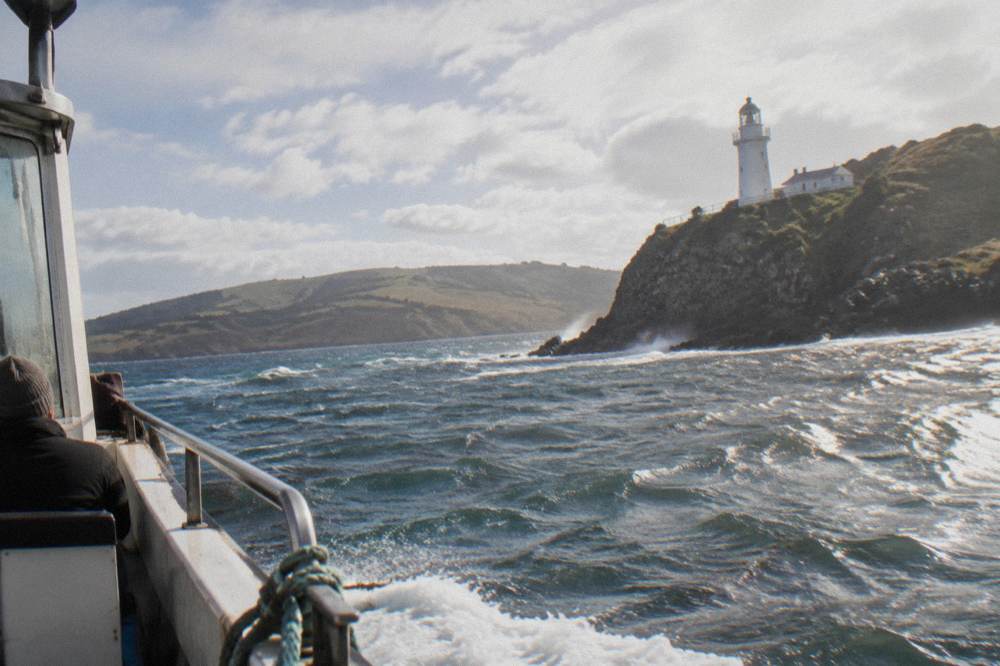
A harbour cruise views the headland from the water and does not enter the observatory, while the guided tour watches nesting albatross from inside the reserve boundary through glass. The cruises pass the Taiaroa Head lighthouse and the fur seal colony below and sometimes see blue penguins, dolphins and sea lions, in the operators' wording, but the nesting birds themselves are only visible on the Centre's own tour.
The distinction matters more than it sounds. DOC is explicit that a visit to the observatory is required to see the nesting and courtship activity, and the observatory is only reached on a Centre tour. A cruise gives scale, the cliffs, the lighthouse, the seal colony and the chance of birds gliding overhead on windy days, which DOC notes can happen even from the visitor centre grounds. But if nesting albatross is the reason you came to Dunedin, the guided tour is the product that delivers the view.
| Experience | Viewing position | Nesting albatross | Typical duration | From price (USD) |
|---|---|---|---|---|
| Centre guided tour (Classic) | Glassed observatory inside reserve | Yes, from the observatory | 1 hour | Direct tickets in NZD |
| Monarch One-Hour Cruise | From the water past Taiaroa Head | Not from the observatory | 1 hour | $42.56 per person |
| Port To Port Albatross Cruise | Small boat, max 14, from Port Chalmers | Not from the observatory | 1 hour 30 minutes | $107.81 per person |
| City Highlights Plus Albatross | Observatory plus coach tour | Yes, included | 6 hours | $190.08 per person |
The Monarch one-hour cruise leaves Wellers Rock Wharf at Otakou, allows 45 to 60 minutes of driving from central Dunedin, provides jackets and binoculars, and passes Aramoana and Taiaroa Head before going a short way to sea. It is rated 4.6 across 257 reviews on one booking page, with a twin page carrying its own separate pool of 78 reviews. The Monarch wildlife cruise guide covers the fleet's options in depth.
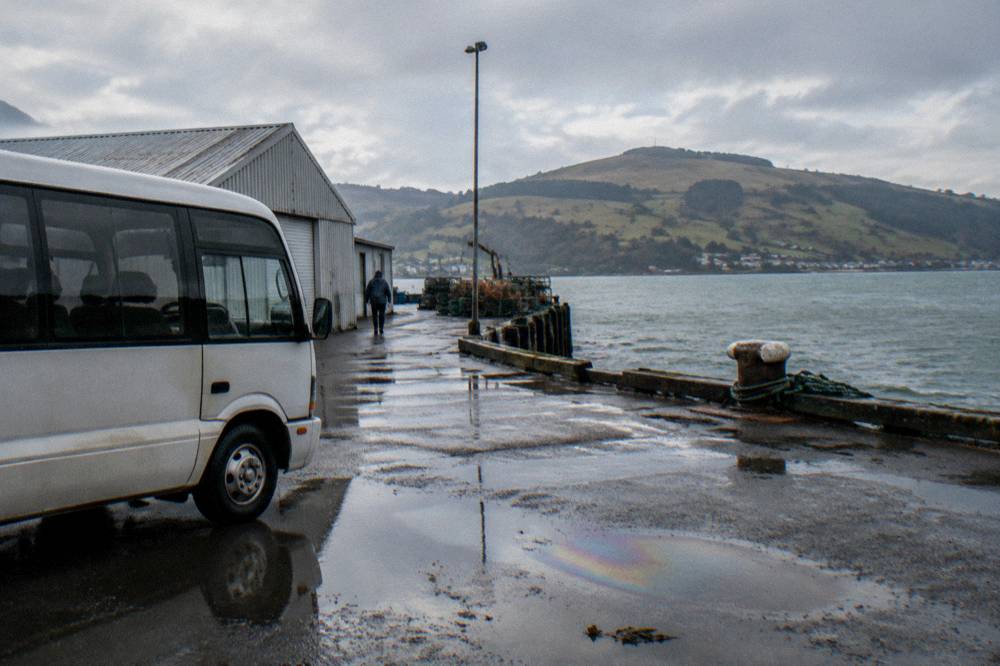
The Port To Port cruises, rated 4.8 across 209 and 140 reviews on their two pages, run from Port Chalmers a 5 to 10 minute flat walk from the cruise terminal, with a maximum of 14 passengers and binoculars provided. Many cruise passengers combine the two ideas: a cruise on a port day, the observatory tour on a full peninsula day.
When Can You See Albatross At Taiaroa Head?
DOC describes viewing at Taiaroa Head as an almost year round event, because the 11 month breeding cycle means some stage is always under way: eggs from November, chicks hatching late January to early February, fledging around September. There is no single best month, and no month is a guarantee; what changes is what the birds are doing.
A calendar helps set expectations more than any promise could. Birds return in September and courtship and nest-building run through October. Eggs arrive in the first three weeks of November, and the current season's first egg landed on 2 November 2026. Incubation stretches into January, chicks hatch and grow through summer and autumn, and the young birds take their first flight around the following September. Because pairs breed only once every two years, the colony holds birds at different stages at once.
Weather shapes the day but never the guarantee. On windy days albatross can be seen gliding over the headland, DOC notes, sometimes even from the visitor centre without a tour ticket. Calm days suit the observatory view of the nest itself. The sensible plan is the one locals use: book the tour, and let the day deliver what it delivers. The best time guide for an albatross tour unpacks the cycle month by month.
Two dates worth knowing if you are visiting in the warmer months: part of the nearby Sandfly Bay Wildlife Refuge, a separate beach on the peninsula, is closed 1 November to 28 February to protect wildlife, and DOC is a good general reference for the headland at its Taiaroa Head page.
How Do You Get To The Centre From Dunedin?
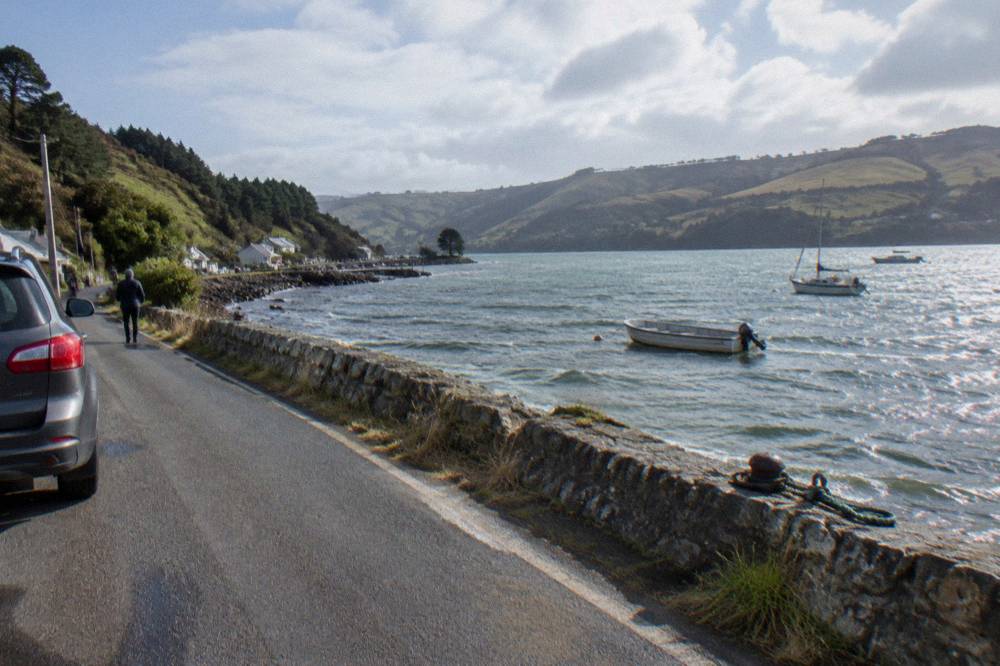
Self-drivers follow Portobello Road along the harbour to Portobello, then Harington Point Road to the very end, where free parking is available at the nearby Monarch wharf and at the Centre. Tour takers ride a coach instead: the City Highlights Plus Albatross tour and the Iconic full-day tour both handle the drive. Allow most of a day either way, since the headland sits at the peninsula's tip.
The Centre's own directions carry one strong warning: do not route via State Highway 88 and Port Chalmers. That road serves the north side of the harbour and there is no road from there to the tip. The correct approach keeps to the southern shore through Portobello. Dunedin City Council has also awarded a contract for a 220 m boardwalk extension along Latham Bay on Portobello Road, between the Portobello Boat Club and the township, with piling from a pontoon from about early January and completion by 30 June 2027; two-way traffic is kept for much of the construction, so expect some delays rather than a closure.
Cruise passengers have a specific decision. Most ships dock at Port Chalmers, 14 km from the city and 15 to 20 minutes by shuttle, and the Dunedin cruise season runs 21 October 2026 to 16 April 2027. The Iconic full-day tour starts right at the Port Chalmers Cruise Terminal, meeting inside the Visitor Building on the ship's wharf, which removes the shuttle leg entirely. The Dunedin shore excursions wildlife guide maps the port-day options.
Without a car and without a tour, the peninsula is awkward. There is no public transport to Harington Point, so the realistic choices are the bundled coach tours, the pickup-included Albatross Centre Tour With Pickup, or a self-drive day using the Centre's directions. Wheelchair users should note that Monarch has a ramp for collapsible wheelchairs only on its vessels, and access questions for the Centre itself are best raised with the operator directly.
What Rules Protect The Wildlife At Taiaroa Head?
Visitors on land must keep at least 50 m from penguins and 20 m from seals and sea lions, vessels must travel no faster than idle within 300 m of marine mammals, and Taiaroa Head carries a permanent drone restriction. Penalties are serious: DOC lists up to two years' imprisonment or a fine up to NZD 250,000. Licensed tour operators hold the permits that let them run these trips close to the colonies.
The boat rules matter if you combine the observatory tour with a cruise. No more than three vessels or aircraft may be within 300 m of marine mammals at once, boats must approach parallel and slightly to the rear, never circle or cut through groups, and stay at least 20 m from the water's edge at a seal colony. Aircraft and drones must keep more than 150 m away. These are the reasons cruise itineraries look the way they do, and why operators describe sightings as sometimes rather than always. The full framework is at DOC's sharing our coasts guidance.
On land, the rules for penguins are equally firm: never approach, do not block a penguin's way in or out of the water, no flash photography, and do not enter nesting areas or linger on beaches where hoiho come ashore. The hoiho, or yellow-eyed penguin, is Threatened, Nationally Endangered and found only in New Zealand; RNZ reported in October 2026 that fewer than 115 breeding pairs remain on the mainland and Rakiura. Anyone finding a sick or dead bird should call the DOC hotline, 0800 362 468.
Guided tours exist partly to make these rules easy to follow. The trench and hide system at The OPERA, the observatory at Taiaroa Head and the viewing platform at Blue Penguins Pukekura all deliver close viewing without any animal ever being approached. Booking one is the simplest way to see Otago's wildlife well and legally.
If a broader planning pass is what you need before choosing, the Dunedin wildlife tour options compared guide puts all four categories side by side, and Dunedin Wildlife Tours covers pricing across the whole range in the wildlife tour prices guide.
Before the final questions, the three tours that best frame the decision, from the coach day with the Centre included to a cruise-based alternative and a small-group contrast.
Common Questions About The Royal Albatross Centre
Is The Royal Albatross Centre Guided Tour The Only Way To See The Nesting Albatross?
Yes, from land. DOC states that a visit to the observatory is required to see the nesting and courtship activity, and the observatory is reached only on a Centre tour. On windy days albatross can sometimes be seen gliding over the headland from the visitor centre grounds without a tour ticket, but that is never promised.
How Much Does The Royal Albatross Centre Guided Tour Cost?
The Centre sells its own tickets in NZD: the 1 hour Albatross Classic from NZD 71.55, Unique Taiaroa from NZD 82.07, Fort Taiaroa from NZD 39.98 and the Double Albatross Combo from NZD 131.52. Tours that include the guided visit from Dunedin start at $190.08 per person. Check the Centre site for current prices.
Which Tours Include The Royal Albatross Centre Guided Tour?
On this site, two: the City Highlights Plus Albatross tour, from $190.08 per person for 6 hours, rated 4.8 across 55 reviews, and the Iconic Full-Day Wildlife Tour, from $224.13 per person for 7 hours, rated 4.8 across 37 reviews. The Skyline small-group tour and the private up-to-4 tour state the guided tour is not included.
Can You See Albatross From A Harbour Cruise Instead?
You can see the headland, the lighthouse and the fur seal colony from the water, and albatross may glide overhead on windy days, but the cruises do not enter the observatory, so the nesting birds are not part of a cruise. Operators describe blue penguins, dolphins and sea lions as sometimes seen from the water.
When Is The Best Month To Visit Taiaroa Head?
There is no single best month. DOC calls viewing an almost year round event because the breeding cycle runs about 11 months: eggs in November, chicks hatching late January to early February, and first flights around September. What you see depends on the stage of the cycle rather than the season.
How Do You Get To The Royal Albatross Centre?
Drive Portobello Road to Portobello, then Harington Point Road to the very end at 1259 Harington Point Road. The Centre warns against routing via State Highway 88 and Port Chalmers, which is the other side of the harbour with no road to the tip. Tours that include the Centre handle the drive from Dunedin or the Port Chalmers cruise terminal.