Royal Albatross Centre Tickets And Tours: Booking A Guided Visit
The Royal Albatross Centre at Taiaroa Head is the only place on the New Zealand mainland where albatross breed, and the guided tour is the only way to see the nesting birds. Here is how the tickets work, what they cost, and which Dunedin tours fold a Centre visit into a bigger day.
Short answer
The Royal Albatross Centre sells its own tickets, from NZD 39.98 for the Fort Taiaroa tour to from NZD 131.52 for a combo, and a Centre tour is the only way to see nesting albatross. On this site you can book guided tours that include the Centre: the City Highlights Plus Albatross tour from $190.08 and the Iconic full-day tour from $224.13.
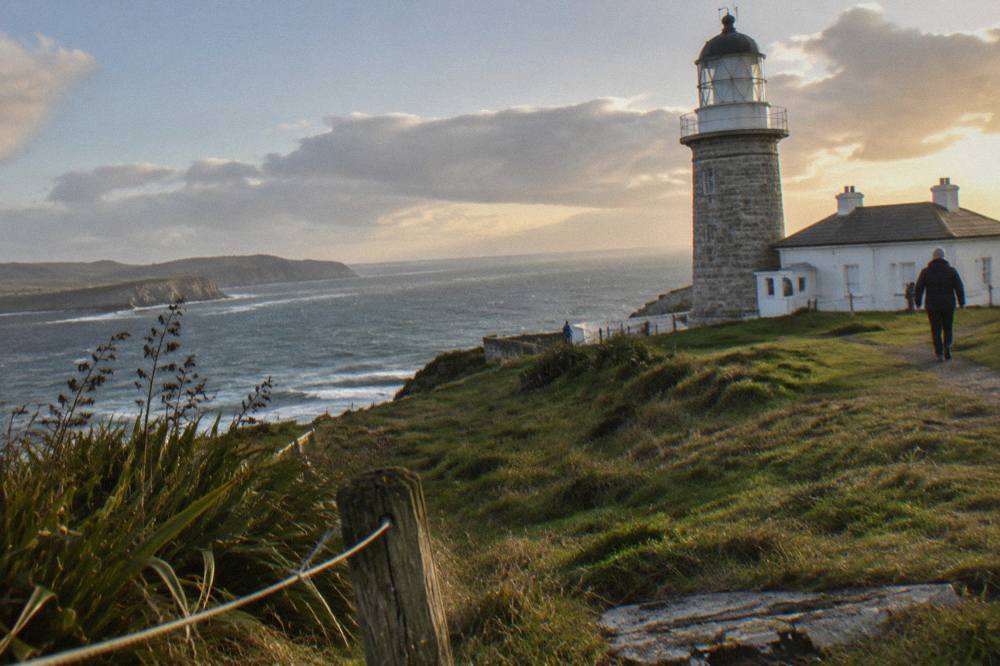
The Royal Albatross Centre sits at the very end of Harington Point Road, on the tip of the Otago Peninsula, at the only mainland breeding colony of albatross in the Southern Hemisphere. DOC says around 10,000 seabirds live on the headland, and about 200 to 250 northern royal albatross among them, DOC and the Centre each giving their own figure. The nesting birds themselves are the protected heart of a nature reserve that cannot be entered: a Centre tour is the way in. This page lays out what the tickets cover, what they cost in the Centre's own NZD prices, and which guided Dunedin tours include the albatross experience so you can decide whether to buy a ticket and drive yourself or book a day that folds it all together.
What Are Royal Albatross Centre Tickets And What Do They Include?
Royal Albatross Centre tickets buy a timed, guided experience run by the Centre itself: a presentation and short film, then viewing of the nesting colony from the glassed Richdale Observatory, with a Fort Taiaroa option covering the 1880s underground gun emplacement. The Centre sells these directly and this site does not resell them. Tickets and tour times vary by date, so the Centre's own site is the place to confirm current details. For a fuller picture of what each visit option charges, the guide to albatross colony tour costs at Taiaroa Head compares the Centre's own tickets with the Dunedin day tours that bundle in the observatory experience.
The Centre, at 1259 Harington Point Road, is run by the Otago Peninsula Trust, which was founded in 1967; the Richdale Observatory opened in 1983 and the visitor centre in 1989. There are four core products. The Albatross Classic runs an hour: a presentation and short film, then about 30 minutes viewing from the observatory. Unique Taiaroa adds Fort Taiaroa and runs an hour and a half. Fort Taiaroa alone is a 30-minute visit to the underground fort from the 1880s, where the Centre shows the Armstrong Disappearing Gun, which it calls the world's only fully restored example. The Double Albatross Combo bundles a Centre tour with a Monarch wildlife cruise and runs two hours from a self-drive start.
One point matters more than any other for a first-time visitor. DOC is plain about it: the nature reserve cannot be entered, and "a visit to the observatory is required to see the nesting and courtship activity". Walking to the headland on your own gives you cliffs, sea and, on windy days, albatross gliding overhead, which DOC notes can happen from the visitor centre. But the close, protected view of nesting birds belongs to the guided tour. The colony is managed by Te Poari a Pukekura, a joint trust of Te Runanga o Otakou members, the Korako Karetai Trust, Dunedin City Council and DOC, and that management is why access is guided only. For a clear look at what the different guided options cost, the price breakdown for Royal Albatross Centre tours covers every option.
Albatross tours are the only way to see the nesting birds, and the Centre's own booking pages are where those tickets are sold. This site's role is different: it sells guided day tours from Dunedin and Port Chalmers, several of which include the Centre's guided tour in the fare. The rest of this page compares the two routes.
How Much Do Royal Albatross Centre Tickets Cost?
The Centre's own prices, in New Zealand dollars as published by the operator, run from NZD 39.98 for the 30-minute Fort Taiaroa tour to NZD 71.55 for the one-hour Albatross Classic, NZD 82.07 for Unique Taiaroa, and from NZD 131.52 for the two-hour Double Albatross Combo with a cruise. Prices are per person, shown as the operator lists them, and the Centre's site has the current figures and times.
The table below is the Centre's own price list, reproduced as the operator publishes it. These are NZD prices on the operator's site, not the USD prices of the Dunedin tours covered elsewhere on this page, and the two are never converted or compared line for line.
| Centre product | Duration | Own price (NZD) | What it covers |
|---|---|---|---|
| Albatross Classic | 1 hour | NZD 71.55 | Presentation and short film, then about 30 minutes viewing from the glassed observatory |
| Unique Taiaroa | 1.5 hours | NZD 82.07 | Classic plus Fort Taiaroa |
| Fort Taiaroa | 30 minutes | NZD 39.98 | Underground fort from the 1880s and the Armstrong Disappearing Gun |
| Double Albatross Combo | 2 hours | from NZD 131.52 | Self-drive: a Centre tour plus a Monarch wildlife cruise |
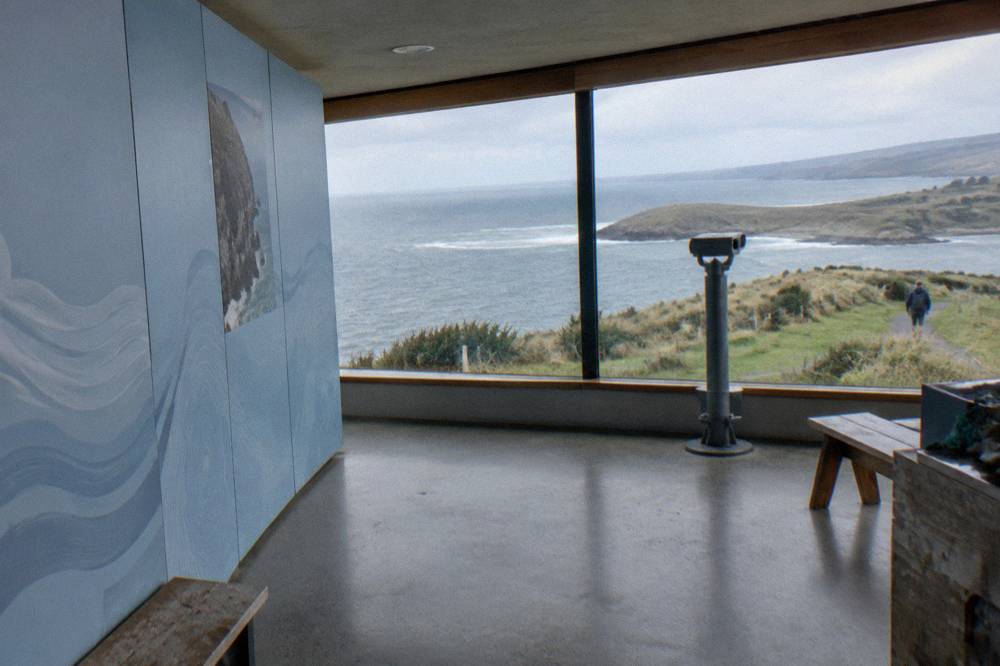
Two practical notes sit beside the prices. First, the Centre is open every day from 10:15am and closed on Christmas Day only, so a visit slots into almost any Dunedin itinerary; specific tour departures still vary by date. Second, the cheapest Centre experience is not automatically the best value for a traveller without a car: the Fort Taiaroa tour does not include the albatross observatory at all, and the Combo requires driving yourself to Harington Point and back.
That is the real fork in the road. A ticket plus a self-drive suits a traveller with a rental car and a half day. A guided tour from the city suits a traveller who wants the observatory, the peninsula's other wildlife and the driving handled in one booking, and that is what the tours below deliver.
Which Dunedin Tours Include The Royal Albatross Centre Guided Tour?
Only a handful of the tours bookable here state that the Royal Albatross Centre guided tour is included: the City Highlights Plus Albatross tour from $190.08, the Albatross Centre Tour With Pickup from $178.00, and the Iconic full-day tour from $224.13, which also includes The OPERA reserve. Several other peninsula tours pass Taiaroa Head by road or sea without a Centre visit, and a few state plainly that the guided tour is not included.
Counting the inclusions matters because the wording on travel pages can blur. The guided albatross tour is stated as included on exactly these tours covered here:
| Tour | Duration | From (USD, per person) | Rating | Centre guided tour |
|---|---|---|---|---|
| City Highlights Plus Albatross | 6 hours | $190.08 | 4.8 across 55 reviews | Included |
| Albatross Centre Tour With Pickup | 6 hours | $178.00 | 4.7 across 39 reviews | Included, 1-hour guided tour, with central Dunedin pickup organised at booking |
| Iconic Full-Day Wildlife Tour | 7 hours | $224.13 | 4.8 across 37 reviews | Included, plus entry to The OPERA; cruise port pickup and drop-off |
The City Highlights Plus Albatross tour is the natural pick for a visitor based in Dunedin who wants the Centre experience inside a full day of city and peninsula sightseeing, and it is the tour this site features for that purpose. The Iconic full-day tour does the most in one booking, pairing the Centre with The OPERA eco-reserve at 45 Pakihau Road on the Otago Peninsula, but its booking terms state it is non-refundable, so check the cancellation terms before booking. The Albatross Centre Tour With Pickup includes pick-up and drop-off from central Dunedin when organised at the time of booking, and the meeting point depends on the option selected.
Just as important is the opposite list. The Skyline Small Group, Larnach Garden Entry tour states that the Royal Albatross Centre guided tours are not included, with the castle garden entry as its headline admission instead. The Private Tour, Up to 4 People states the Centre guided tour is an optional extra you would need to book in advance. And the second booking page of the Fantail little blue penguin evening tour also states the Centre tour is not included. None of these is a worse trip; they are simply not Centre tickets by another name, and a reader hunting specifically for the observatory experience should book one of the three tours above or a Centre ticket directly.
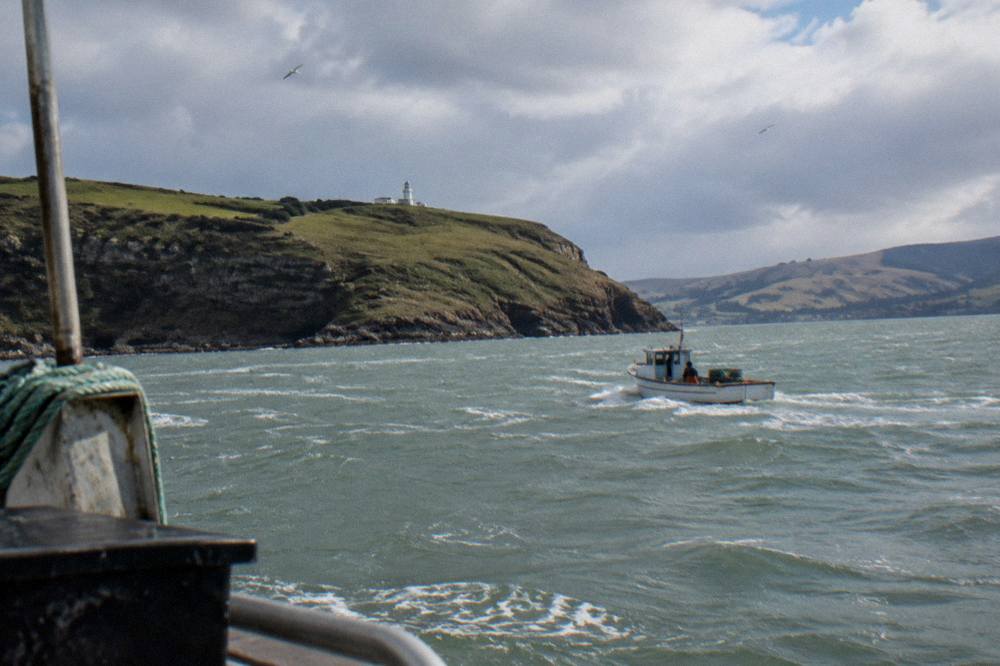
For everything in between, the itineraries tell the story without a Centre entry: several harbour cruises pass Taiaroa Head and its fur seal colony from the water, and the Monarch full-day peninsula tour combines a land tour with a one-hour cruise. A reader weighing those options against a penguin evening will find the blue penguin tour options in Dunedin laid out on a separate page.
How Do You Get To The Royal Albatross Centre From Dunedin?
The Centre sits at 1259 Harington Point Road at the very end of the Otago Peninsula road, reached by driving Portobello Road to Portobello and then Harington Point Road to the end, Monarch advises allowing 45 to 60 minutes to drive from central Dunedin to Wellers Rock Wharf, which sits just short of the Centre. The Centre warns drivers not to route via State Highway 88 and Port Chalmers, which is the other side of the harbour with no road to the tip.
That routing warning is worth taking seriously, because navigation apps default to the port side of Otago Harbour for some peninsula destinations and the geography does not cooperate: there is no road around the harbour mouth. Portobello itself can be reached by either Portobello Road along the shore or Highcliff Road over the high country, and both meet the township. From Portobello, Harington Point Road runs the final leg past Otakou and Wellers Rock to the Centre.
Dunedin City Council has also awarded a contract for a 220 m boardwalk extension along Latham Bay on Portobello Road, between the Portobello Boat Club and the township, with piling from a pontoon from about early January and completion by 30 June 2027; two-way traffic is being kept for much of the construction, so allow a little slack on that stretch.
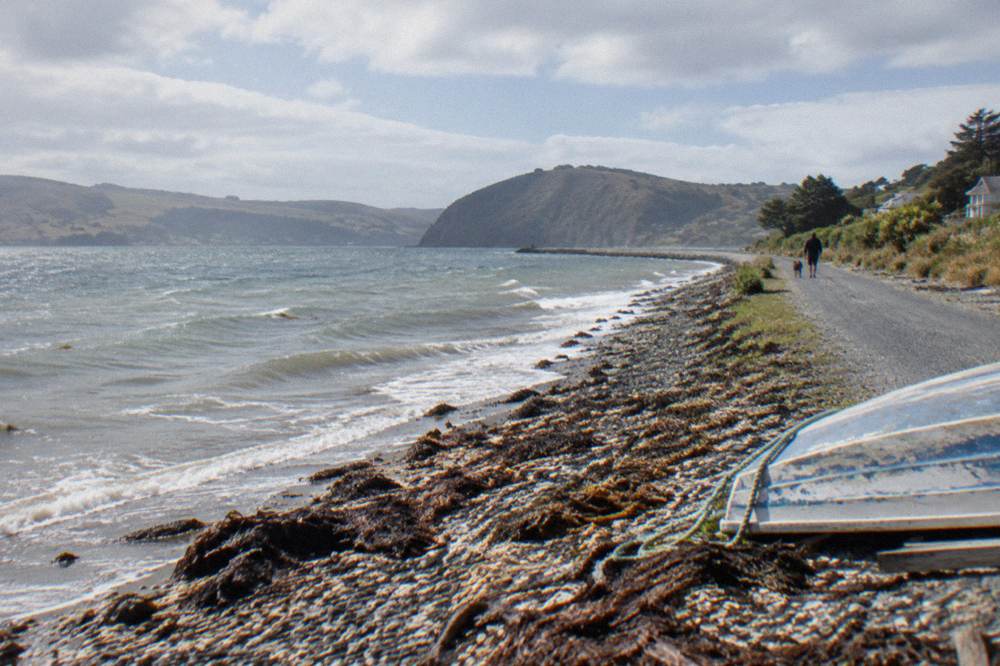
Cruise passengers have a different calculation. Most ships dock at Port Chalmers, 14 km from the city and 15 to 20 minutes by shuttle, and the cruise season runs 21 October 2026 to 16 April 2027. Driving from the port to Harington Point means crossing to the city side first, which is exactly why the shore-excursion tours that bundle pickup save real time. The Iconic full-day tour picks up inside the Visitor Building on the ship wharf, and the Albatross Centre Tour With Pickup covers central Dunedin pickup arranged at booking. For a traveller who would rather not drive the peninsula at all, the guided Dunedin to Royal Albatross Centre options are compared on their own page.
Self-drivers who want the Centre ticket plus a cruise on the same day should look at the Centre's own Double Albatross Combo, which is built for exactly that: drive yourself to Harington Point once and do both. Free parking is available at the Monarch wharf at 813 Harington Point Road for cruise passengers.
When Is The Centre Open And When Can You See Albatross?
The Centre opens every day from 10:15am and closes only on Christmas Day. Albatross viewing is, in DOC's words, "almost a year round event" because the breeding cycle runs about 11 months, so there is no single best month: what you see changes with the stage of the cycle, from courtship and eggs in spring to chicks and fledging flights later in the year.
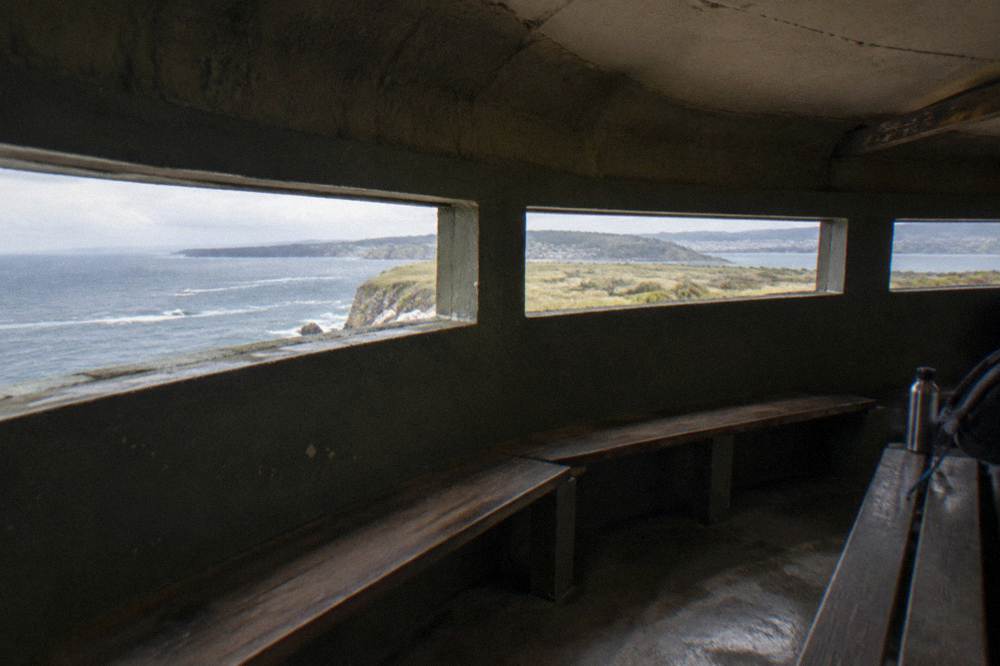
The cycle itself explains why. The Centre describes birds returning in September, nest-building in October, and a single egg laid in the first three weeks of November; incubation runs about 80 days by the Centre's figure, roughly 79 by DOC's, with chicks hatching late January to early February. A chick takes about eight months to fledge, first flying in September, and pairs raise a chick only once every two years. A visitor in November may watch courtship; a visitor in June watches a nearly grown chick waiting on its nest. More of these guides are collected on Dunedin Wildlife Tours.
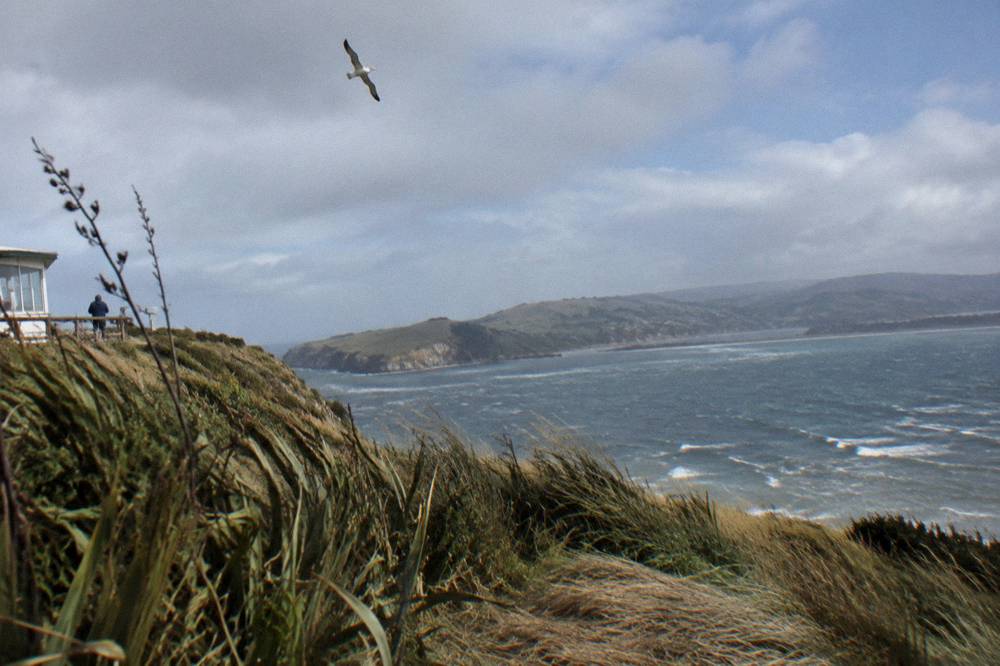
The 2026-27 season is already under way. DOC reports the first egg was laid on 2 November 2026, visible on Royal Cam, the 24-hour live camera run with the Cornell Lab of Ornithology and now in its tenth year, with four more eggs following within days. Rangers check fertility 10 to 12 days after laying. Watching Royal Cam before a visit is a genuinely useful planning trick: it shows what the observatory view offers at the exact time of year you will be there.
The colony's size is worth stating carefully. DOC says about 200 toroa live there with about half making landfall each year; the Centre says approximately 250 albatross and an estimated 70 breeding pairs, which it notes is about 1% of the world population, the remaining 99% breeding on the Chatham Islands. DOC puts the world population at about 17,000 mature individuals, and the species is classed Threatened, Nationally Vulnerable. More on the timing question, including why no month is a promise, sits on the best time for an albatross tour page.
What Will You Actually See On A Centre Tour?
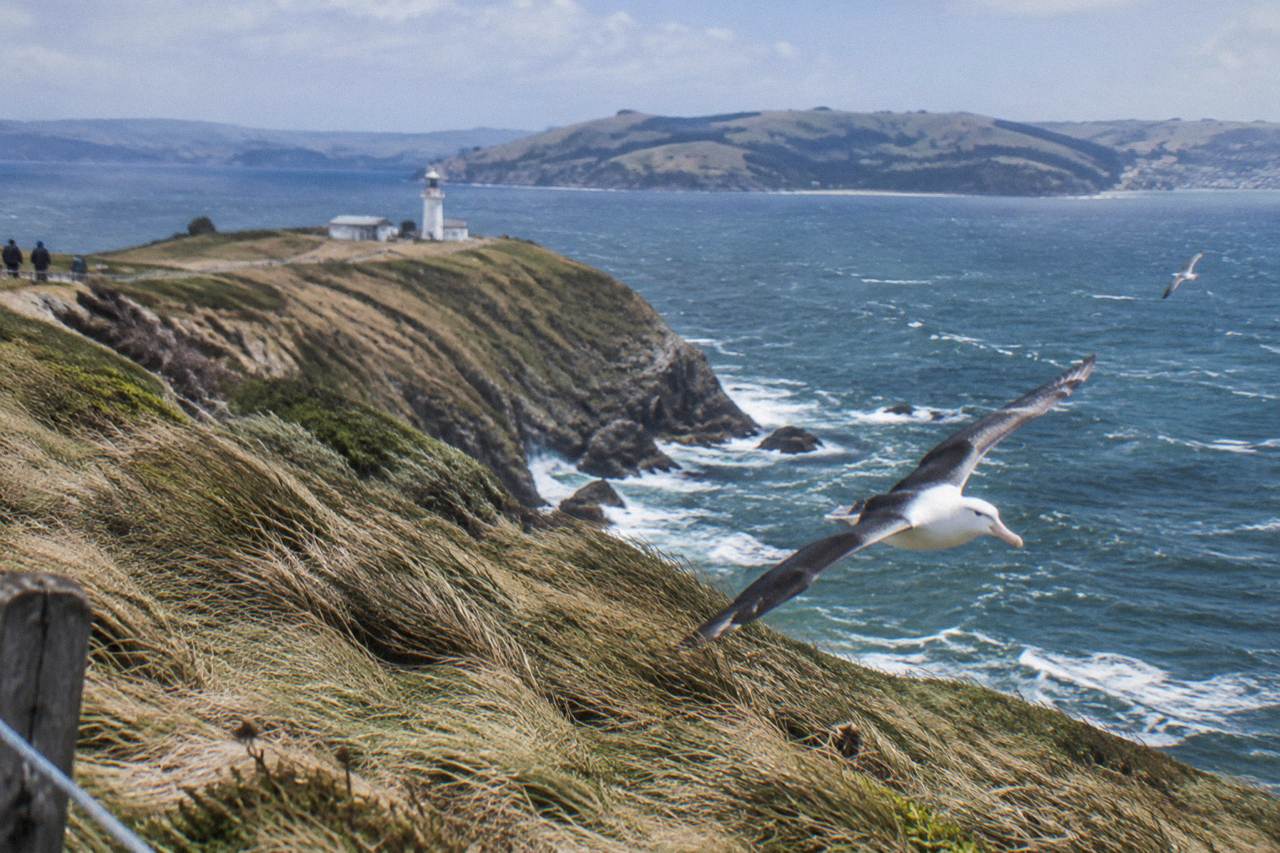
A Centre tour buys the observatory view: nesting albatross and, at the right stage, chicks on the colony, plus koau, the Otago shag, which DOC says is best seen from the observatory. On windy days albatross can be seen gliding over the headland even from the visitor centre. Sightings are wild birds and the season's stage, so the honest framing is what the cycle is doing when you visit, not a guarantee.
Wildlife is wild, and no operator or agency promises a sighting. What can be said is factual. The colony fledged 38 chicks in 2024-25 and DOC reports 2025-26 ended with a record-equal 38. Birds are present at the colony across the year because of the long cycle. Fort Taiaroa adds a different layer entirely: the underground fort from the 1880s and the Armstrong Disappearing Gun, a piece of military engineering the Centre calls the world's only fully restored example of its kind.
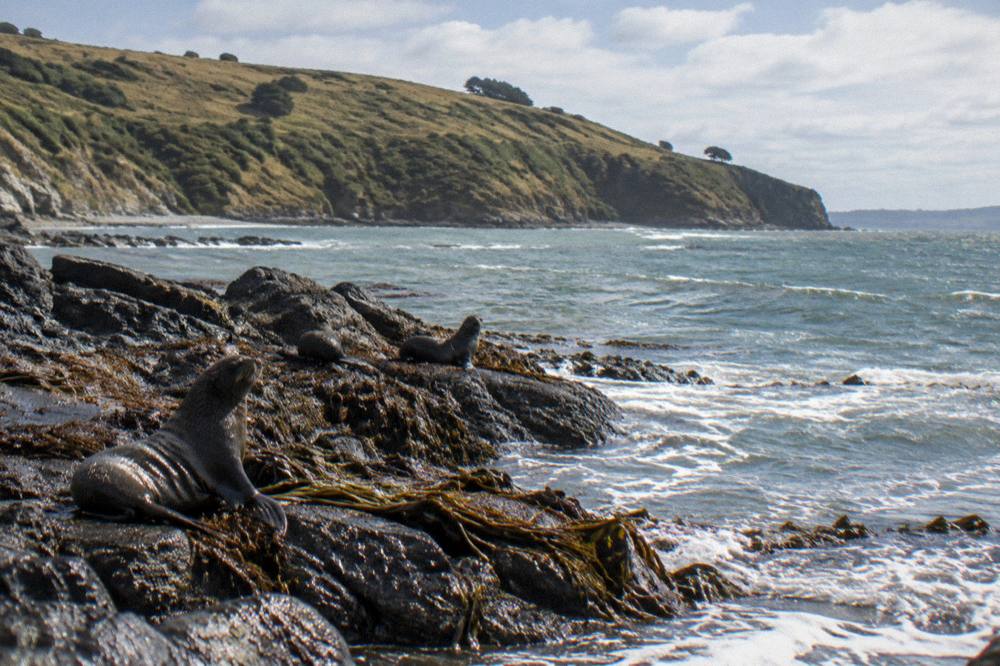
Around the headland, the wider cast is real too. Taiaroa Head is a fur seal breeding site and a sea lion haul-out, and DOC says nearby Pilots Beach is often the best place to see them. Little penguins, around 600 pairs on the headland with over 350 at Pilots Beach by DOC's count, come ashore at dusk throughout the year, which is what the separate evening viewing at Pukekura covers; that is a different ticket and a different experience, described on the Blue Penguins Pukekura tour page.
A reader combining both in one evening should know the geography works in their favour: the penguin viewing experience starts at the Centre itself, so both sit at the same end of the headland, at the end of Harington Point Road. The sunset penguin tours from the Octagon handle that combination with transport, which matters because the penguin return happens after dark on unlit roads.
Tickets Versus Tours: Which Should You Book?
Book a Centre ticket if you have a car, want only the albatross experience, and can handle a long drive each way on peninsula roads; the Classic at NZD 71.55 is the core product. Book a guided Dunedin tour if you want the observatory plus transport, commentary and other peninsula wildlife in one fare, from $178.00 per person for the pickup version to $224.13 for the full-day tour with The OPERA included.
The trade-offs are mostly about time and driving. A self-drive ticket day is the cheapest route to the observatory but costs a half day of your own driving and leaves the peninsula's other wildlife to chance. A guided tour costs more per person and locks you into its itinerary, but removes the driving, adds a guide's commentary and, on the strongest versions, adds The OPERA reserve or a harbour cruise.
| Option | Best for | Cost basis | Driving | Other wildlife |
|---|---|---|---|---|
| Centre ticket, self-drive | Independent travellers with a rental car | NZD 39.98 to from NZD 131.52, Centre prices | You drive, a long drive each way | Whatever you find; seals at Taiaroa Head and Pilots Beach |
| City Highlights Plus Albatross | City-based visitors wanting a full guided day | From $190.08 per person | Handled, 6 hours total | Peninsula scenery and city highlights |
| Albatross Centre Tour With Pickup | Visitors who want Centre focus with pickup | From $178.00 per person | Handled from central Dunedin when arranged at booking | Peninsula touring around the Centre visit |
| Iconic Full-Day Wildlife Tour | Cruise passengers and maximum coverage | From $224.13 per person | Handled, 7 hours, port pickup | The OPERA reserve included; non-refundable, check the terms |
To see how these options perform in practice, the breakdown of visitor reviews for Royal Albatross Centre tours covers what the ratings actually measure and which tours earn the strongest scores.
Cruise passengers should read the cancellation lines closely, because they differ. Every tour in the table above except the Iconic full-day tour states a full refund when cancelled at least 24 hours before the start; the Iconic tour's booking terms state it is non-refundable, so check the cancellation terms before booking it against a tight ship schedule. Weather cancellation is a separate matter again, and the weather and cruise cancellation page covers what happens when conditions turn.
For passengers who want a shorter peninsula day without the Centre entry, the Small-Group Shore Excursion from Back to Nature Tours runs 3 hours 30 minutes from designated meeting points, is rated 4.6 across 291 reviews, and includes a Worry-free Shore Excursion Guarantee, though it does not include the albatross observatory.
One more angle: this site, Dunedin Wildlife Tours, lists and sells the guided tours, not the Centre's own tickets, and the split is clean. The Centre's site sells the four NZD products above. The tours here sell the albatross observatory inside a bigger day, and that is the choice at the heart of this page.
Rules, Access And Planning Details Worth Knowing
The headland is a protected nature reserve with strict rules: the reserve cannot be entered, drones are permanently restricted at Taiaroa Head, vessels must idle within 300 m of marine mammals and stay 20 m from the water's edge at a seal colony, and on land visitors keep at least 20 m from seals and sea lions and 50 m from penguins. Breaking marine mammal rules risks up to two years' imprisonment or a NZD 250,000 fine.
Guided tours exist partly to make those rules easy to follow. On a Centre tour you view from the observatory; on a cruise the crew manages approach distances, idling within 300 m, approaching parallel and to the rear, never circling; on a reserve tour like The OPERA the trench and hide system keeps visitors out of the birds' sightlines. Independent walkers at nearby beaches carry the same duties themselves: no dogs at Sandfly Bay, dogs on a lead on the Allans Beach track and none on the beach, and no lingering where hoiho come ashore.
| Detail | What applies |
|---|---|
| Centre opening | Every day from 10:15am, closed Christmas Day only |
| Getting there | Portobello Road to Portobello, then Harington Point Road to the end; not via Port Chalmers |
| Drone use | Permanent restriction at Taiaroa Head; aircraft and drones stay more than 150 m from marine mammals |
| Distance from seals and sea lions | At least 20 m on land; vessels idle within 300 m and stay 20 m from the water's edge at a colony |
| Distance from penguins | At least 50 m, never block their path to the water, no flash |
| Sick or dead birds | Report to the DOC hotline 0800 362 468 |
Access and family notes are narrower than the rules. Monarch's cruise vessel has a ramp for collapsible wheelchairs only, which matters for combo plans involving the Double Albatross Combo's cruise leg. Among the tours including the Centre visit, group maxima range from 18 on the City Highlights tour to 20 on the Iconic full-day tour; the Albatross Centre Tour With Pickup does not state a group maximum on its booking page. Age minimums are not stated on any of the three, so families should check the booking calendar for the date in question.
Weather is the last planning input, and the framing to keep is that conditions on an exposed headland change fast; the MetService Dunedin forecast is the practical check the day before. Wind, incidentally, is not the enemy of an albatross visit: DOC notes that on windy days albatross can be seen gliding over the headland from the visitor centre, which is a bonus rather than a promise.
The bottom line on tickets: buy the Centre's NZD products if you want a focused, self-driven visit to the world's only mainland royal albatross colony, and buy one of the guided tours here if you want that colony folded into a day of Dunedin sightseeing, penguin reserves and harbour wildlife without holding the wheel. Either way, book ahead for the date you actually want: the observatory runs timed, guided sessions, and the season's stage, from November eggs to September fledglings, sets the show.
Common Questions About Royal Albatross Centre Tickets
Can You Buy Royal Albatross Centre Tickets On This Site?
No. The Centre sells its own tickets directly, from NZD 39.98 for Fort Taiaroa to from NZD 131.52 for the Double Albatross Combo, at prices the operator publishes and updates. This site sells guided Dunedin tours that include the Centre's albatross tour in the fare, from $178.00 per person for the pickup version to $224.13 for the Iconic full-day tour.
What Is The Cheapest Way To See The Nesting Albatross?
The Albatross Classic, at NZD 71.55 for one hour on the Centre's own price list, is the cheapest product that includes the observatory view of the nesting colony, but it requires driving yourself to Harington Point. The 30-minute Fort Taiaroa tour at NZD 39.98 covers the underground fort and does not include the albatross observatory.
Which Tours Include The Royal Albatross Centre Guided Tour?
Three tours covered here state it is included: City Highlights Plus Albatross, from $190.08 per person, rated 4.8 across 55 reviews; Albatross Centre Tour With Pickup, from $178.00 per person, rated 4.7 across 39 reviews; and the Iconic full-day tour, from $224.13 per person, rated 4.8 across 37 reviews. The Skyline small-group tour and the private up-to-4 tour state it is not included.
When Is The Royal Albatross Centre Open?
Every day from 10:15am, closed on Christmas Day only, per the Centre. Tour departure times vary by date, so the booking calendar for the day you want is the definitive source for both Centre tickets and the guided tours that include the Centre.
How Do You Drive To The Centre From Dunedin?
Take Portobello Road along the harbour to Portobello, then Harington Point Road to the very end; the drive out to Harington Point is long; Monarch advises allowing 45 to 60 minutes to its Wellers Rock Wharf, short of the Centre. The Centre warns not to route via State Highway 88 and Port Chalmers, which is on the other side of the harbour with no road to the tip.
Is There A Best Month To See The Albatross?
No single month wins. DOC calls viewing "almost a year round event" because the breeding cycle runs about 11 months: eggs in the first three weeks of November, chicks hatching late January to early February, and fledging around September. What you see depends on the cycle's stage on your date, and no sighting is guaranteed.